Long-term residential treatment provides 90 days or more of structured, live-in care for people whose recovery needs extend beyond a short-term program, including relapse after prior treatment, severe or long-standing addiction, or complex co-occurring mental health conditions. Orlando Treatment Solutions offers a long-term residential program in Orlando, FL built for clients who need sustained clinical support and time away from daily triggers to establish lasting stability.
Key Takeaways
- Long-term residential treatment runs 90 days or longer, compared to the fixed 30-day track of our shorter program.
- It’s best suited to relapse cases, severe or long-standing addiction, and clients with complex co-occurring mental health conditions.
- The program addresses both addiction and standalone mental health conditions, depression, anxiety, PTSD, bipolar disorder, within the same residential setting.
- Care includes psychiatric support, group therapy, trauma-informed care, and structured daily routines with 24/7 on-site staff.
- Length of stay is individualized rather than fixed, extending as long as clinically appropriate.
Who Long-Term Residential Treatment Is For
Short-term programs work well for many people, but they aren’t built to address every situation. Long-term residential treatment tends to be the better fit when:
- A prior treatment episode was followed by relapse
- Addiction has been ongoing for years rather than a recent development
- A co-occurring mental health condition, depression, anxiety, PTSD, bipolar disorder, requires extended stabilization alongside substance use treatment
- Someone is stepping down from a psychiatric hospitalization and needs continued structured support
- Home environment isn’t stable enough to support early recovery
For situations that don’t match this profile, a first treatment episode, a stable home environment, or moderate addiction, our 30-day rehab program is usually the more appropriate starting point.
What Long-Term Residential Care Includes
Extended time in a structured setting allows for a depth of treatment that a fixed short-term schedule can’t accommodate:
Psychiatric care and medication management. Ongoing psychiatric oversight for clients managing a co-occurring mental health diagnosis, integrated with addiction treatment rather than handled separately.
Evidence-based modalities. Cognitive Behavioral Therapy (CBT), and Acceptance and Commitment Therapy (ACT), selected based on diagnosis and history.
Trauma-informed care. Structured support for clients whose substance use or mental health condition is connected to past trauma, addressed directly as part of treatment rather than left unaddressed.
Life skills and gradual reintegration. Training in the practical skills needed for independent living, paired with a gradual, planned transition back to daily life rather than an abrupt discharge.
The Residential Environment
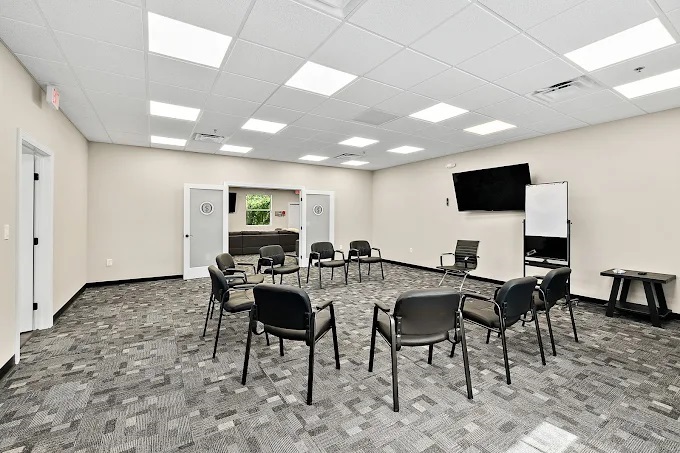
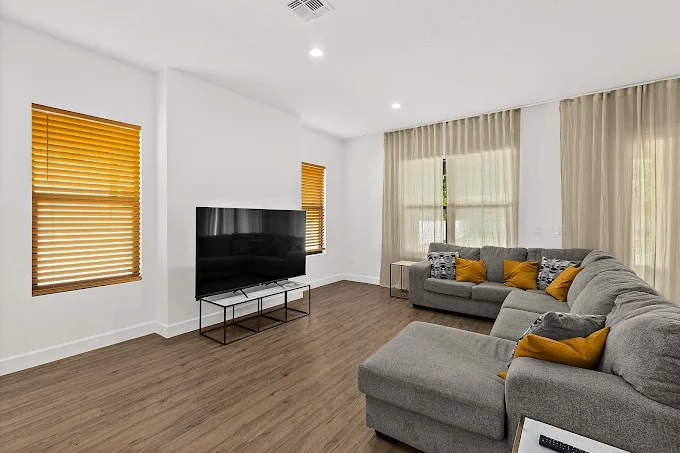
Clients in long-term residential treatment live on-site with 24/7 access to licensed staff, private or semi-private accommodations, and a structured daily routine built around therapy, wellness activities, and peer community. That structure is part of the clinical model, not incidental to it — routine and consistency are part of what allows deeper behavioral change to take hold over an extended stay.
Long-Term Residential Care
Long-term residential care provides the stability required to effect long-lasting change when short-term care fails. Our program will best suit those who relapsed twice, require dual diagnosis therapy, or are shifting off an inpatient hospital stay.
We are a holistic company and our approach entails:
- Support emotionally by counseling.
- Peer group to experience together.
- Activities of physical wellness.
- Further follow-up with the care team.
This continuity model of care assists in overcoming relapse cycles and establishes long-term recovery.
Long Term Residential Treatment
Long-term residential treatment fundamentally is a question of time- time to get well, time to develop and time to regenerate your life. Orlando Treatment Solutions presents a caring atmosphere in which clients have an opportunity to have all the time they need to progress and still get the support that is organized and clinical in nature.
We will always aim to equip our clients with success following treatment by planning the relapse prevention, educating family, and linking to the aftercare services.
Insurance and Admissions
Most major private insurers, including Blue Cross Blue Shield, Cigna, Humana, and UnitedHealthcare, are accepted, and our team verifies benefits before admission. Because length of stay is individualized rather than fixed, your treatment plan and insurance authorization are reassessed as your care progresses, rather than locked in at a single 30-day or 90-day mark.
Take the Next Step
Long-term residential treatment gives you time that a short-term program can’t — time to address the root causes of addiction or a co-occurring condition, not just the immediate crisis. If a shorter program would serve you just as well, our admissions team will tell you that directly during your assessment.
Ready to talk through your options? Call us or use our confidential online form to speak with an admissions specialist.
Frequently Asked Questions
How long does long-term residential treatment last?
Typically 90 days or longer, with exact length individualized based on clinical progress rather than fixed in advance. Some clients stay several months depending on their needs.
Who is long-term residential treatment best suited for?
People experiencing relapse after prior treatment, severe or long-standing addiction, or a co-occurring mental health condition that needs extended stabilization alongside substance use care.
What’s the difference between this and the 30-day program?
The 30-day program is a fixed-length track for mild to moderate addiction and first treatment episodes. Long-term residential treatment is open-ended and built for more complex or recurring situations.
Does long-term residential treatment address mental health conditions on their own, not just addiction?
Yes. The program treats standalone conditions like depression, anxiety, PTSD, and bipolar disorder as well as substance use, with psychiatric care integrated into the residential setting.
Does insurance cover long-term residential treatment?
Most major private insurance plans cover long-term residential care, though authorization is typically reassessed as treatment progresses. Our team verifies your specific benefits before admission.
This page is for informational purposes only and is not a substitute for professional medical advice, diagnosis, or treatment. Always consult a qualified healthcare provider with questions about a medical condition or substance use disorder.
References
- Substance Abuse and Mental Health Services Administration (SAMHSA), Behavioral Health Treatment Services Locator — https://www.samhsa.gov/find-help
- National Institute on Drug Abuse (NIDA), Types of Treatment Programs — https://nida.nih.gov/publications/principles-drug-addiction-treatment-research-based-guide-third-edition/drug-addiction-treatment-in-united-states