
In This Blog
- How alcohol affects blood pressure
- Short-term vs long-term effects
- Who is most at risk
- When blood pressure may return to normal
- When to seek professional support
What most people fail to know is that many of them consume alcohol on a social level without considering its effects on blood pressure. Even the moderate level of drinking can affect the functioning of the heart and blood vessels, particularly in the long run.
The knowledge of the need to increase blood pressure as a result of alcohol consumption prompts people to make correct decisions regarding health, recovery, and long-term health.
Does Drinking Alcohol Raise Blood Pressure?
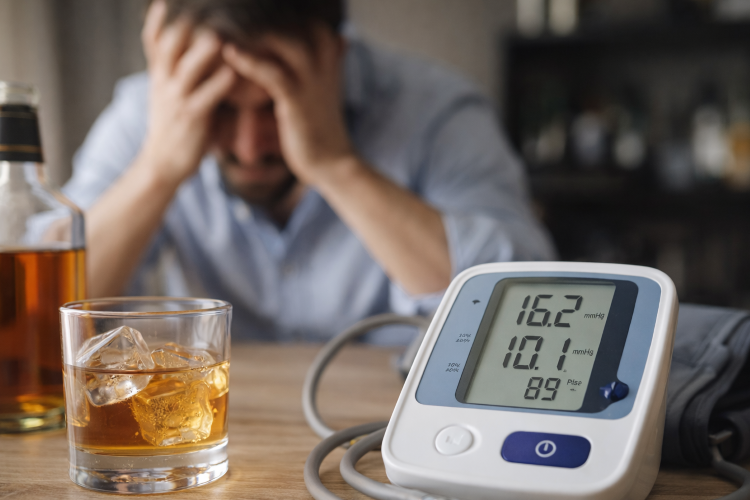
No doubt alcohol can increase blood pressure. Alcohol has an impact on the nervous system, blood vessels as well as the hormones that determine circulation. The Centers of Disease Control and Prevention (CDC) outlines that regular alcohol consumption is considered a risk factor of hypertension. Even minor additions are important in the long-run.
100% Confidential Support is Available 24/7
No matter what you’re going through, you’re not alone. Our dedicated team is here to provide a safe, judgment-free space where you can talk openly and honestly. Whether you need emotional support, resources, or just someone to listen.
We’re here for you—completely confidential and always respectful of your privacy. Call us today!
How Does Alcohol Affect Blood Pressure in the Short Term?
The Effect of Alcohol on Short-term Blood Pressure. Temporary blood vessels are caused by immediate alcohol consumption.
Immediate Effects
- The first thing that happens is the relaxation of blood vessels.
- Heart rate increases
- Stress hormones rise
- There is a possibility of blood pressure skyrocketing hours after.
Studies released through NIH indicate that the level of blood pressure will tend to increase a few hours after consuming an alcoholic beverage, especially when sleeping.
100% Confidential Support is Available 24/7
No matter what you’re going through, you’re not alone. Our dedicated team is here to provide a safe, judgment-free space where you can talk openly and honestly. Whether you need emotional support, resources, or just someone to listen.
We’re here for you—completely confidential and always respectful of your privacy. Call us today!
What Happens With Long-Term Alcohol Use and Blood Pressure?
The persistent consumption of alcohol may cause permanent hypertension.
Long-Term Effects
- Continued constriction of the vessels.
- Increased inflammation
- Hormonal imbalance
- Loss of efficacy of medication.
According to the WHO reasons that chronic alcohol use is a significant risk factor for cardiovascular disease. Excessive exposure trains the body to a high baseline blood pressure.
Alcohol Use and Blood Pressure Effects
Pattern of Drinking | Blood Pressure Impact |
Occasional use | Temporary increases |
Regular moderate use | Gradual elevation |
Heavy use | Chronic hypertension |
Binge drinking | Sudden spikes |
Orlando Treatment Solutions
Battling with Drug and Alcohol Addition? Remember, you are not alone and we are here to help you!
Who is Most at Risk for Alcohol-Related High Blood Pressure?
Some are more susceptible to the effects of alcohol.
Higher-Risk Groups
- Individuals who already have hypertension.
- Individuals over age 40
- The ones who have a family history of heart disease.
- Individuals who have high stress levels.
- Patients who are in recovery and relapse.
According to CDC statistics, the risk of alcohol-associated hypertension increases as age and frequency.
Can Blood Pressure Return to Normal After Stopping Alcohol?
In many cases, yes. High blood pressure tends to improve with the reduction of or abstention from alcohol.
Evidence of reduced blood pressure is known to occur within weeks of quitting, particularly in heavy drinkers, as demonstrated through studies mentioned in PubMed. The heart adaptive system can heal when alcohol exposure is reduced.
Blood Pressure Changes After Reducing Alcohol
Time After Reduction | Typical Change |
1–2 weeks | Lower resting BP |
3–4 weeks | Improved regulation |
1–3 months | Sustained improvement |
Long-term | Reduced hypertension risk |
Fact: Regular alcohol use raises hypertension risk by over 40%.
Source: World Health Organization (WHO)
Does Alcohol Interfere With Blood Pressure Medications?
Yes. Alcohol may decrease the effect of medication or increase the side effects.
Possible Interactions
- Increased dizziness
- Difficulty in controlling blood pressure.
- Liver metabolic impairment.
- Dehydration-related spikes
According to NIH guidelines, alcohol can reverse antihypertensive medications.
How Much Alcohol is Considered Risky for Blood Pressure?
No dose is completely safe for blood pressure.
CDC guidelines suggest:
- Men: no more than two drinks a day.
- Women: not more than a drink a day.
Nevertheless, these limits could cause blood pressure disorders even in sensitive people. Moderate does not imply being harmless to everybody.
Alcohol, Stress, and Blood Pressure
There is a high likelihood that alcohol aggravates the changes in blood pressure, which are caused by stress.
Although drinking makes one feel relaxed in the short run, it triggers stress hormones in the long run. This is a vested effect that raises blood pressure and anxiety, especially during withdrawal times. The NIAAA studies have associated stress reactions to alcohol with cardiovascular stress.
When Should High Blood Pressure From Alcohol Be Taken Seriously?
Consult medical assistance in case of:
- Blood pressure does not drop to normal on quitting alcohol.
- Headache, dizziness, or chest pains are manifested.
- Symptoms of anxiety or withdrawal are made worse.
- The use of alcohol seems hard to manage.
The early intervention minimizes the risk of cardiovascular diseases.
How Recovery Support Can Help Lower Blood Pressure
Recovery-focused support addresses both alcohol use patterns and stress regulation.
Benefits may include:
- Reduced alcohol-related inflammation
- Improved sleep quality
- Better nervous-system regulation
- Healthier daily routines
Behavioral-health support often improves physical outcomes indirectly.
Expert’s Advice: “Reducing alcohol intake lowers blood pressure and cardiovascular risk.” CDC
Explore alcohol recovery support with Orlando Treatment Solutions call today (321) 415-3213

Alcohol-related blood pressure changes can affect both physical health and emotional well-being. Orlando Treatment Solutions provides recovery-focused behavioral-health support that helps individuals address alcohol use patterns, manage stress responses, and build healthier routines that support long-term cardiovascular and overall health.📞 Call Orlando Treatment Solutions at (321) 415-3213 to start your recovery today.
Medical Disclaimer: This article is for informational purposes only and is not a substitute for professional medical advice.
Key Takeaways
- Drinking alcohol can raise blood pressure short- and long-term.
- Regular or heavy use increases hypertension risk significantly.
- Blood pressure often improves after reducing alcohol.
- Alcohol can interfere with blood pressure medications.
- Seek professional help if elevated readings persist beyond 4–6 weeks. Key Takeaways
FAQs
1. Does drinking alcohol raise blood pressure immediately?
Alcohol can cause temporary changes in blood pressure shortly after drinking. Blood vessels may initially relax, but blood pressure often rises several hours later. These delayed increases commonly occur during rest or sleep and may go unnoticed without regular monitoring or blood pressure checks.
2. Can moderate drinking still increase blood pressure?
Yes. Even moderate alcohol consumption can increase blood pressure in some individuals. Sensitivity varies based on genetics, age, stress levels, and existing health conditions. Repeated moderate drinking may gradually elevate baseline blood pressure over time, especially when combined with poor sleep or stress.
3. How long after quitting alcohol does blood pressure improve?
Alcohol can interfere with blood pressure medications by reducing effectiveness or increasing side effects such as dizziness, dehydration, or fatigue. It may also alter how medications are metabolized by the liver, leading to inconsistent blood pressure control and greater cardiovascular strain over time.
4. Does alcohol affect blood pressure medication?
Alcohol can interfere with blood pressure medications by reducing their effectiveness or increasing side effects such as dizziness, dehydration, or fatigue. It may also alter how medications are metabolized by the liver, leading to inconsistent blood pressure control and greater cardiovascular strain over time.
5. Is binge drinking worse for blood pressure than daily drinking?
Binge drinking causes sudden spikes in blood pressure and places significant strain on the heart and blood vessels. While daily drinking can raise baseline blood pressure, binge episodes increase immediate cardiovascular risk and may trigger dangerous fluctuations, especially in individuals with underlying heart concerns.
6. When should someone seek help for alcohol-related blood pressure issues?
Professional support is recommended if blood pressure remains elevated after reducing alcohol use or if drinking feels difficult to control. Early intervention can help lower cardiovascular risk, support healthier coping strategies, and address alcohol use patterns before long-term complications develop.