In This Blog:
- Barriers to care within the LGBTQ+ community
- The importance of culturally competent professional oversight
- Addressing specialized trauma and minority stress
- Benefits of a peer-supported treatment environment
- Finding inclusive recovery services in Florida
To help people in the LGBTQ+ community, the path to health may entail dealing with some peculiar social and psychological difficulties. Statistical evidence shows that sexual and gender minorities have a greater substance use disorder compared to the population at large. These differences are often based on the experiences of discrimination, rejection, and constant minority stress. Locating an LGBTQ friendly rehab in Florida is an important process towards the individuals who want to be in a safe place where their identity is honored and incorporated into their care plan. An observed environment that is aware of these particular subtleties offers the basis of true recovery and emotional stability in the long term.
Selecting a professional support environment that pays much attention to inclusivity would make sure that the person does not experience additional marginalization in the most vulnerable conditions. The following guide describes the reasons behind the need to receive special care and the methods through which culturally competent recovery services can greatly enhance the results. Having professional supervision, one will be able to work on the core problem of substance use and feel completely understood and supported.
Expert Advice: A professional support environment offers essential tools for managing complex mental health conditions.
100% Confidential Support is Available 24/7
No matter what you’re going through, you’re not alone. Our dedicated team is here to provide a safe, judgment-free space where you can talk openly and honestly. Whether you need emotional support, resources, or just someone to listen.
We’re here for you—completely confidential and always respectful of your privacy. Call us today!
Unique Challenges and Barriers
Individuals in the LGBTQ+ community often face barriers that prevent them from accessing traditional recovery services. Fear of judgment or lack of understanding from staff can deter someone from seeking the help they need. These concerns are often valid, as a non-inclusive environment may fail to address the specific social pressures faced by gender and sexual minorities.
When a treatment environment lacks cultural competence, the individual may feel the need to hide aspects of their identity. This lack of transparency can hinder the therapeutic process and lead to an incomplete recovery plan.
FACT: Cultural competence in recovery services improves long-term health outcomes significantly.
The Role of Minority Stress
Minority stress refers to the chronic high levels of stress faced by members of stigmatized groups. This stress is a significant driver of substance use as a coping mechanism within the LGBTQ+ community. Addressing this stress requires specialized professional oversight that recognizes the impact of social exclusion.
Recovery services must provide tools to navigate a world that may not always be accepting. By focusing on resilience and self-acceptance, a monitored setting helps individuals build a stronger psychological defense against external stressors.
Stress Factor | Impact on Recovery |
Increased risk of isolation and depressive symptoms | |
Discrimination | Barriers to accessing healthcare and professional support |
Lower self-esteem and higher vulnerability to substance use | |
Identity Conflict | Difficulty in forming honest and transparent therapeutic bonds |
Transitioning to Supervised Support
In a monitored setting, the focus is on creating a “brave space” where identity is celebrated. This environment allows for the exploration of how social experiences have shaped substance use patterns under constant professional oversight.
100% Confidential Support is Available 24/7
No matter what you’re going through, you’re not alone. Our dedicated team is here to provide a safe, judgment-free space where you can talk openly and honestly. Whether you need emotional support, resources, or just someone to listen.
We’re here for you—completely confidential and always respectful of your privacy. Call us today!
Benefits of Specialized Care
Specialized recovery services offer groups and therapies specifically tailored to the LGBTQ+ experience. These sessions allow individuals to discuss topics like “coming out,” gender transition, and family dynamics with peers who share similar backgrounds.
Having a support network of peers who understand these specific challenges reduces the feeling of being an “outsider.” This sense of belonging is a powerful catalyst for change within a treatment environment.

Orlando Treatment Solutions
Battling with Drug and Alcohol Addition? Remember, you are not alone and we are here to help you!
Culturally Competent Staff
A hallmark of LGBTQ friendly rehab Florida options is a staff trained in inclusive practices. This includes proper use of pronouns, understanding the nuances of gender-affirming care, and recognizing the specific health needs of the community.
Staff who are educated in these areas can provide more accurate and empathetic care. Professional oversight from a culturally competent team ensures that the individual’s physical and mental health needs are met without bias.
Elements of Inclusive Care
- Inclusive Language: Using respectful and accurate terminology for all identities.
- Trauma-Informed Care: Recognizing the high prevalence of trauma in the community.
- Peer Support: Providing opportunities to connect with other LGBTQ+ individuals in recovery.
- Family Support: Helping biological or chosen families understand the recovery process.
Addressing Co-occurring Disorders
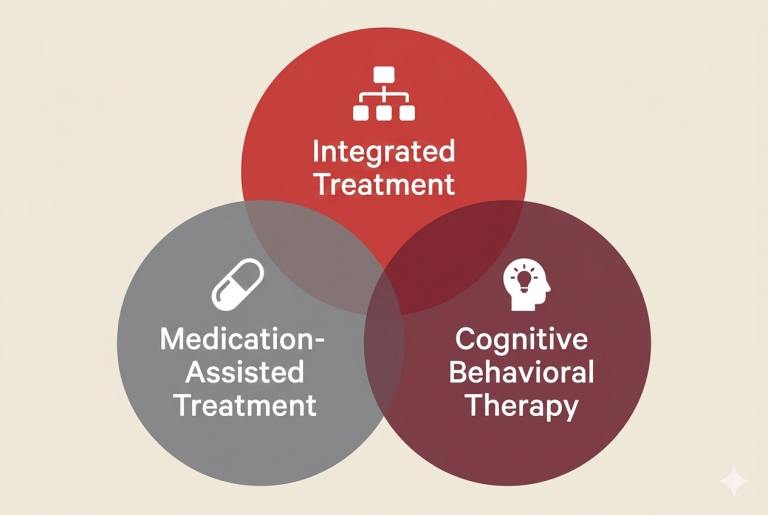
Many LGBTQ+ individuals struggle with a dual diagnosis, such as depression or anxiety, alongside substance use. Integrated recovery services are necessary to treat these conditions simultaneously to ensure long-term stability.
A monitored setting that specializes in these co-occurring disorders can provide more targeted interventions. Professional oversight ensures that medication and therapy are balanced to support total wellness.
Safe and Affirming Housing
For residential programs, safe and affirming housing is a top priority. Transgender and non-binary individuals, in particular, need a treatment environment where they feel safe in their living quarters.
Ensuring physical safety and privacy is essential for the individual to focus on their emotional work. A supervised support system that prioritizes safe housing fosters a sense of security and dignity.
The Importance of Inclusive Aftercare
Recovery does not end when an individual leaves a treatment environment. Sustainable health requires an aftercare plan that connects the individual to LGBTQ+ affirming resources in their community.
Continuity of care is vital for maintaining the progress made during the initial phases of recovery. By remaining connected to a supportive network, individuals are better equipped to handle future challenges and maintain their LGBTQ friendly rehab goals in Florida.
To explore options for supervised support, Contact Orlando Treatment Solutions.
Reclaiming Identity and Health
Choosing an inclusive recovery path is a powerful act of self-care. Many individuals find that being in a treatment environment where their identity is respected allows them to address their substance use with newfound clarity and strength.
The focus remains on building a life where identity and health are intertwined and celebrated. With professional oversight and a structured plan, the journey of recovery can lead to a more authentic and stable future for every member of the community.
Medical Disclaimer: This article is for informational purposes only and is not a substitute for professional medical advice.
Key Takeaways
LGBTQ+ individuals face unique stressors that require specialized and inclusive recovery services.
Cultural competence among staff is essential for building trust and ensuring safety.
Specialized care addresses “minority stress” and trauma specific to the community.
Peer support within an inclusive treatment environment fosters a vital sense of belonging.
Comprehensive aftercare connects individuals to affirming community resources for long-term health.
FAQs
Why is specialized care better for LGBTQ+ individuals?
Specialized care ensures that the unique social and psychological challenges of the community are addressed. In a standard treatment environment, these nuances might be overlooked, leading to an incomplete recovery plan. Professional oversight in a specialized setting provides a safer and more effective path toward health.
What does cultural competence look like in rehab?
It involves staff who are trained in LGBTQ+ issues, use inclusive language, and respect all gender identities and expressions. This creates a monitored setting where individuals feel safe to be their authentic selves. It also includes having policies that specifically protect against discrimination within the facility.
Can I find LGBTQ friendly rehab Florida programs?
Yes, Florida offers various recovery services that specialize in inclusive care for the community. These programs often combine evidence-informed practices with a deep understanding of the LGBTQ+ experience. Seeking a supervised support system in Florida allows for a personalized and culturally relevant approach to wellness.
How do co-occurring disorders affect LGBTQ+ recovery?
Due to high rates of stress and trauma, many in the community experience both mental health and substance concerns. Integrated recovery services address both simultaneously, which is essential for lasting stability. Professional oversight ensures that all aspects of an individual’s health are treated in tandem.
Does my family have to be involved?
Family involvement is often encouraged, but in an LGBTQ+ context, this can include “chosen” families of supportive friends. A treatment environment respects the individual’s choice of who constitutes their support system. Professional services help strengthen these bonds to provide a stable foundation for life after care.