
In This Blog:
- The pharmacological classification of non-steroidal anti-inflammatory drugs
- Differentiating between physical dependency and habitual misuse
- Common gastrointestinal and renal risks of excessive consumption
- The psychological patterns associated with chronic self-medication
- Safe alternatives for managing persistent physical discomfort
- When to seek professional guidance for behavioral health
Speaking about typical over-the-counter drugs, most people will raise the question: Can You Become Addicted to Ibuprofen? Ibuprofen, also known as a non-steroidal anti-inflammatory drug (NSAID), is a common drug helping to relieve fever in addition to treating pain or inflammation. In contrast to opioids or stimulants, this drug has no effect on the reward system of the brain, leading to a high or euphoria.
Thus, a truly neurological response to Can You Get Addicted to Ibuprofen? is usually no; it does not have the chemical makeup necessary to develop a conventional addiction. The fact that it is not, however, is an indication that the medication does not have the dangers of abuse or dependent use.
This guide is an evidence-based perspective on the safety profile of NSAIDs and highlights the significance of professional management of ongoing health problems.
Expert Advice: Chronic reliance on over-the-counter analgesics requires a professional assessment to identify root causes.
How Does Ibuprofen Work in Your Body?
To understand why the question “Can You Get Addicted to Ibuprofen?” yields a different answer than with other painkillers, we must look at its mechanism of action. Ibuprofen works by blocking the production of prostaglandins, which are chemicals the body releases in response to illness or injury.
- Enzyme Inhibition: It targets COX-1 and COX-2 enzymes to reduce swelling and pain signals.
- Peripheral Action: Unlike opioids, it works primarily at the site of the pain rather than in the central nervous system.
- Non-Psychoactive: It does not trigger a dopamine surge in the brain’s reward circuits.
What are the Risks of Taking Too Much Ibuprofen?
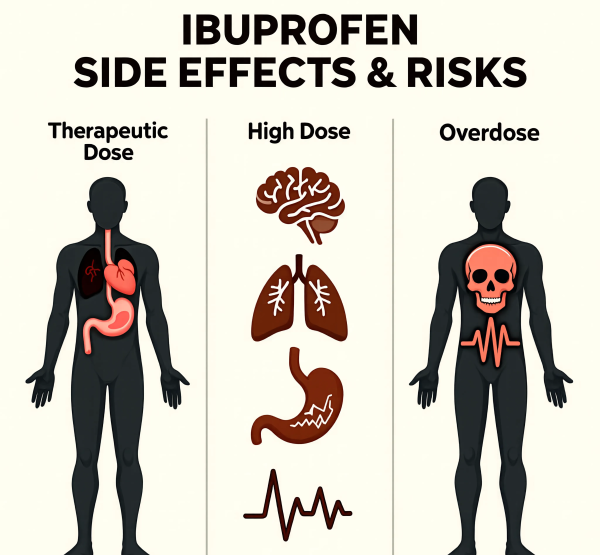
Even though the medication is not addictive in the traditional sense, taking it in high doses or for extended periods can cause significant harm to the body. The “safety” of over-the-counter drugs is often overestimated by the general public.
- Gastrointestinal Damage: Prolonged use can irritate the stomach lining, leading to ulcers or internal bleeding.
- Renal Strain: The kidneys must work harder to process the drug, which can lead to decreased function or failure over time.
- Cardiovascular Risks: High-dose NSAID use has been linked to an increased risk of heart attack or stroke in some individuals.
Risk Category | Potential Side Effect | Warning Sign |
Digestive | Gastric Ulcers | Persistent stomach pain or dark stools |
Renal | Kidney Dysfunction | Changes in urination or swelling in the legs |
Cardiovascular | Hypertension | Increased blood pressure or chest pressure |
FACT: Overusing NSAIDs can lead to dangerous “rebound headaches” and organ strain.
100% Confidential Support is Available 24/7
No matter what you’re going through, you’re not alone. Our dedicated team is here to provide a safe, judgment-free space where you can talk openly and honestly. Whether you need emotional support, resources, or just someone to listen.
We’re here for you—completely confidential and always respectful of your privacy. Call us today!
What Is the Ibuprofen Rebound Effect?
While you may find that the answer to Can You Get Addicted to Ibuprofen? is negative, many people suffer from “medication overuse headaches.” This occurs when the body becomes so accustomed to the drug that it triggers a headache as soon as the dose wears off.
- Cycle of Pain: Taking the drug to stop a headache, which then causes a new one.
- Emotional Reliance: Feeling anxious or unprepared if the medication is not nearby.
- Escalating Doses: Taking more than the maximum daily limit (usually 1200 mg to 3200 mg depending on professional advice).
This behavioral pattern can feel like an addiction because the person finds it difficult to stop using the drug. However, the motivation is usually the avoidance of pain rather than the pursuit of a “high.” Breaking this cycle often requires a professional plan to taper off the medication under professional supervision.
Can You Become Mentally Reliant on Ibuprofen?
Many people use over-the-counter drugs to manage the physical manifestations of stress or anxiety. When someone constantly asks, “Can You Get Addicted to Ibuprofen?”, they might be noticing a mental reliance on the pill-taking ritual.
- Coping Mechanism: Using a pill as a “safety net” for any minor physical sensation.
- Avoidance Behavior: Not seeking the root cause of pain, such as poor ergonomics or high stress.
- Placebo Effect: The mental relief of taking a pill can sometimes outweigh the actual chemical effect.
How Do You Break the Ibuprofen Habit?
For those who have found themselves relying too heavily on NSAIDs, a professional wellness plan can help restore balance. Transitioning away from daily drug use requires a focus on the “whole person,” including nutrition, sleep, and physical activity.
- Professional Assessment: Identifying if the pain is acute, chronic, or related to an underlying condition.
- Supervised Tapering: Gradually reducing the intake to avoid rebound effects.
- Alternative Therapies: Incorporating physical therapy, massage, or acupuncture to manage pain naturally.
Consistency is key when rebuilding a healthy lifestyle. By following a professional routine, the body can begin to heal from the strain of chronic drug use and regain its natural ability to manage minor discomfort.
Concerned about your ibuprofen use? Call Orlando Treatment Solutions and let us help you find a healthier path forward.
What Therapies Help With Ibuprofen Overuse?
If the reliance on medication is tied to emotional distress, behavioral therapies can be highly effective. These modalities help individuals change their relationship with pain and the act of self-medication.
- Cognitive Behavioral Therapy (CBT): Identifying the thoughts that lead to the “need” for a pill.
- Mindfulness: Learning to observe pain without reacting to it impulsively.
- Stress Management: Developing techniques like deep breathing to reduce the physical tension that causes pain.
How Nutrition Helps With Ibuprofen Overuse Recovery
Physical health is a cornerstone of recovery from medication overuse. Chronic use of NSAIDs can impact the body’s ability to absorb certain nutrients and can affect the health of the gut microbiome.
Wellness Pillar | Benefit to Recovery | Implementation Strategy |
Gut Health | Repairs the stomach lining | Consuming probiotics and anti-inflammatory foods |
Hydration | Supports kidney filtration | Increasing water intake to help flush the system |
Sleep | Natural pain management | Establishing a consistent 8-hour sleep cycle |
How to Break the Daily Routine of Taking Ibuprofen
Habitual use is often tied to specific routines. For example, some may automatically take a pill as soon as they get to work or right before bed. Changing these environmental triggers is essential for breaking the habit.
- Routine Modification: Replacing the pill-taking habit with a different action, like stretching or drinking tea.
- Trigger Identification: Noticing if specific people or tasks lead to the “need” for medication.
- Accessibility: Not keeping large quantities of the drug in easily accessible places like a desk drawer or car.
How Family Support Helps With Ibuprofen Overuse Recovery
Substance misuse, even of over-the-counter drugs, can be a lonely experience. Involving loved ones in your wellness journey provides a layer of accountability and emotional support that is vital for success.
- Open Communication: Discussing your goals with family members so they can encourage you.
- Shared Activities: Engaging in group fitness or wellness practices to reinforce healthy habits.
- Education: Helping others understand the risks of NSAID overuse so they don’t unintentionally enable the habit.
How Mental Health Affects Ibuprofen Overuse
It is common for physical pain and mental health to be linked. If someone is using ibuprofen to cope with the physical symptoms of depression or anxiety, those underlying issues must be addressed.
Integrated support ensures that both the body and the mind are treated simultaneously. By managing the root causes of distress, the physical manifestations of that distress, like tension headaches or muscle pain, often diminish, reducing the need for medication altogether.
Safer Ways to Manage Pain Without Ibuprofen
As we move toward a more health-conscious society, the focus must be on ethical and responsible self-care. This involves being honest about the limitations of over-the-counter drugs and prioritizing long-term health over short-term “quick fixes.”
- Label Reading: Always following the suggested dose and duration on the packaging.
- Consulting Professionals: Speaking with a provider before starting a daily regimen of any drug.
- Holistic Focus: Viewing health as a balance of mental, physical, and social factors.

Ready to break the cycle of medication overuse? Call Orlando Treatment Solutions and let’s talk about what works best for you.
Building a Healthier Life Without Ibuprofen
Ultimately, moving away from a reliance on any substance is about reclaiming your autonomy. It is about discovering that you have the internal strength to manage life’s challenges without a chemical crutch.
Through professional support and a commitment to wellness, you can rediscover your body’s natural potential. Every step toward a healthier lifestyle is a victory, leading to a future where you feel empowered, stable, and truly at peace.
Orlando Treatment Solutions provides a professional framework for individuals looking to address behavioral health challenges and medication misuse. We emphasize evidence-informed practices and personal empowerment to foster long-term stability and health.
Our team is dedicated to helping you build a foundation for a healthy future without making guarantees of specific outcomes.
Medical Disclaimer: This article is for informational purposes only and is not a substitute for professional medical advice.
Key Takeaways
- While ibuprofen is not chemically addictive, it can lead to habitual misuse and psychological reliance.
- Overusing NSAIDs poses serious risks to the stomach, kidneys, and cardiovascular system.
- Rebound headaches are a common result of taking pain medication too frequently.
- Behavioral therapies and lifestyle changes are the most effective ways to break a self-medication habit.
- Physical wellness including gut health and hydration helps the body recover from chronic drug use.
- Long-term success is built on professional guidance, family support, and a professional routine.
FAQs
Is it safe to take ibuprofen every day?
Daily use of ibuprofen is generally not recommended without the direct supervision of a healthcare provider. Chronic use can lead to serious side effects like stomach ulcers, kidney damage, and an increased risk of heart problems. If you have chronic pain, speak with a professional about safer long-term strategies.
What is the maximum daily dose?
For most healthy adults, the maximum over-the-counter dose is 1200mg in a 24-hour period. Prescription-strength doses may go higher, but these must be managed by a professional to ensure safety. Exceeding these limits significantly increases the risk of toxicity.
Can ibuprofen cause withdrawal?
Because it does not affect the brain’s reward system, ibuprofen does not cause traditional withdrawal. However, frequent users may experience “rebound headaches” or increased sensitivity to pain for a few days after they stop taking the drug.
How does it differ from acetaminophen?
Ibuprofen is an NSAID that reduces inflammation, whereas acetaminophen (Tylenol) is an analgesic and fever reducer that does not have significant anti-inflammatory properties. Both can be harmful if overused; acetaminophen is primarily associated with liver strain.
What should I do if I can’t stop taking it?
If you find yourself unable to stop taking over-the-counter pain relievers due to persistent pain or anxiety, it is important to contact a professional. They can help you identify the cause of your pain and provide a safe, professional plan to reduce your reliance on medication.