
In This Blog
- Importance of choosing the right location
- Common rehab service types
- Outpatient program basics
- Intensive outpatient programs explained
- Residential rehab environments
- Licensing and regulatory standards
- Evidence-based recovery approaches
- Staff qualifications and roles
- Daily structure and schedules
- Family education and involvement
- Aftercare and long-term planning
- Cost transparency and payment options
- Accessibility and cultural considerations
- Key questions to ask providers
The fact that Orlando offers rehab services does not automatically mean that all programs meet quality standards. It involves evaluating service organizations, staff credentials, regulatory compliance, and long-term recovery strategies. Orlando offers a wide range of recovery-related services designed to meet varying support needs.
Informed decision-making helps individuals and families to determine services based on their own goals, schedules, and values. The planning of the continuity and transparency of the programs and evidence-based practices is also examined to provide a responsible and confident choice.
Understanding Rehab Services in Orlando
Rehab services in Orlando provide structured recovery-focused education and counseling. These services differ in intensity, duration, and format. Individuals can choose programs based on personal schedules, support needs, and recovery stage.
Key characteristics include:
- Structured sessions and guided education
- Focus on skill development and awareness
- Supportive environments encouraging consistency
Why Location Matters in Recovery Selection
Location plays a practical role in ongoing engagement. Orlando’s accessibility supports consistent attendance and family involvement.
Benefits of choosing a local provider include:
- Reduced travel barriers
- Easier family participation
- Better integration with daily routines
Contact Orlando Treatment Solutions today for recovery guidance
Types of Rehab Services Available Locally
Orlando offers several structured rehab formats designed for varying needs.
Rehab Type | General Description | Suitable For |
Scheduled sessions, home living | Flexible schedules | |
More frequent sessions | Moderate structure needs | |
Full-time structured setting | High-support environments |
Outpatient Program Basics
Outpatient programs allow individuals to attend scheduled sessions while continuing daily responsibilities.
Common features include:
- Fixed weekly session schedules
- Education and counseling components
- Flexibility for work or family commitments
Intensive Outpatient Programs Explained
Intensive outpatient services increase session frequency while maintaining community living.
These programs typically offer:
- Multiple weekly sessions
- Structured group and individual formats
- Greater accountability than standard outpatient options
Residential Rehab Environments
Residential rehab services provide immersive, structured environments where participants stay on-site.
Typical elements include:
- Daily structured routines
- Peer-supported environments
- Focused recovery engagement without external distractions
Licensing and Regulatory Standards
Quality rehab services follow state and federal regulatory requirements.
When evaluating providers, look for:
- Active state licensing
- Compliance with operational guidelines
- Clearly displayed regulatory information
Evidence-Based Recovery Approaches
Evidence-based approaches rely on research-supported methods and established best practices.
Common characteristics include:
- Structured counseling frameworks
- Educational skill-building methods
- Continuous evaluation and improvement
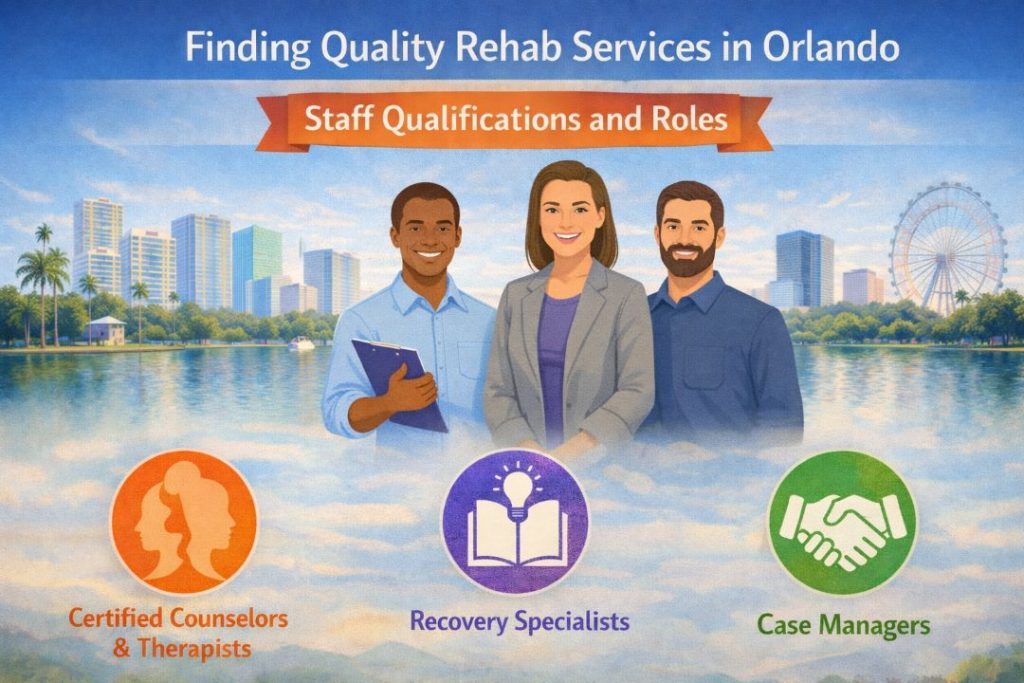
Staff Qualifications and Roles
Qualified staff support consistent and informed recovery engagement.
Important staff considerations:
- Licensed counselors or certified professionals
- Clearly defined staff roles
- Ongoing professional training
Daily Structure and Schedules
Clear schedules help set expectations and support consistency.
Most programs outline:
- Session times and formats
- Educational and group activities
- Participation guidelines
Family Education and Involvement
Family education supports understanding and communication.
Programs may offer:
- Educational workshops
- Family discussion sessions
- Guidance on supportive involvement
Expert Advice: Compare licensed programs with transparent structure and research-supported recovery methods.
Aftercare and Long-Term Planning
Aftercare planning promotes continuity beyond program completion.
Common aftercare elements include:
- Follow-up support options
- Community resource referrals
- Continued educational engagement
Cost Transparency and Payment Options
Understanding costs helps avoid confusion.
Quality providers typically:
- Clearly outline program fees
- Explain payment options
- Provide written cost information
Accessibility and Cultural Considerations
Inclusive services respect diverse backgrounds and needs.
Accessibility factors include:
- Language support options
- Flexible scheduling
- Inclusive program environments
Key Questions to Ask Providers
Asking informed questions supports confident decisions.
Consider asking about:
- Program structure and duration
- Staff qualifications
- Aftercare planning
- Transparency and policies
FACT: Regulated rehab services follow established standards promoting structured recovery environments.
Choosing rehab services can be complex, and having clear information makes the process easier. Orlando Treatment Solutions offers informative guidance, open communication, and positive guidance to assist one in seeking relevant rehab services responsibly and confidently.
Medical Disclaimer: “This article is for informational purposes only and is not a substitute for professional medical advice.”
Key Takeaways
- Orlando offers multiple rehab service formats
- Location supports accessibility and consistency
- Licensing and transparency signal service quality
- Evidence-based approaches support informed recovery
- Aftercare planning promotes continuity
- Asking questions improves decision-making
FAQs
What rehab service options are available in Orlando?
Orlando offers outpatient, intensive outpatient, and residential rehab services. Each option varies in structure, scheduling, and level of support. Understanding these differences helps individuals select services aligned with personal responsibilities, recovery goals, and desired levels of engagement.
How can I check if a rehab service is licensed?
Licensing information is typically available through state regulatory agencies and provider disclosures. Quality rehab services openly share licensing credentials and compliance details. Verifying this information supports informed decisions and ensures adherence to established operational standards.
Why are evidence-based approaches important?
Evidence-based approaches rely on research-supported methods that have demonstrated effectiveness. These approaches focus on structured education and counseling rather than unverified techniques, supporting informed participation and consistent recovery engagement over time.
What should I expect from aftercare planning?
Aftercare planning supports continued engagement after program completion. It may include follow-up sessions, community resources, or continued educational opportunities. Structured aftercare helps individuals maintain consistency and apply learned skills in daily environments.
How do rehab service costs typically vary?
Costs depend on program type, duration, and included services. Transparent providers explain pricing clearly and discuss payment options upfront. Understanding these factors helps individuals plan responsibly and avoid unexpected financial concerns.
References
- Substance Abuse and Mental Health Services Administration (SAMHSA)
- National Institute on Drug Abuse (NIDA)
- Florida Department of Children and Families Licensing
- Centers for Disease Control and Prevention (CDC) – Substance Use Resources
- National Institutes of Health (NIH)