In This Blog
- Alcohol is a legally available and addictive drug
- Alcohol use disorder is a medical condition, not a personal failure
- Dependency is an accumulation that is made due to frequent use
- Alcohol addiction affects physical, mental, and social health
- Professional treatment can be helpful for a successful recovery
Is Alcohol Really Addictive?
Because of its legal status and social acceptability, many people are under the wrong impression when it comes to the addictiveness of alcohol. Drinking can be seen as a part of celebrations, stress relief, or social bonding. However, alcohol is a psychoactive substance that can have a direct impact on the brain, causing physical and psychological dependence over time.
It is not overnight that someone develops alcoholism. It happens gradually as drinking patterns alter and the brain adapts to repeated exposure. For some people, the consumption of alcohol is hard to control even though it can lead to serious health problems, destroy relationships, create problems at work, or mess with daily duties.
Understanding how alcohol addiction develops is critical in understanding and recognizing the warning signs as early as possible to find help before long-term damage.
What is Alcohol Use Disorder?
Alcohol use disorder, or AUD, also known as alcoholism, is a medical illness in which a person is not able to control their drinking despite facing negative consequences. It is not a black and white condition and is mild, moderate, or severe.
People who have AUD may continue to drink even though it injures their physical health, mental wellness, safety, or relationships. Alcohol use disorder is known to be a chronic brain disease and can be addressed with a proper combination of medical therapy and behavioral support.
How Alcohol Affects the Brain
Alcohol affects the chemistry of the brain, increasing the amount of a chemical called dopamine, which is associated with the feeling of pleasure and reward. Over time, the effect of alcohol overtakes the brain as it produces less natural dopamine.
As a result, people may feel less pleasure in everyday activities and rely on alcoholic beverages to feel at ease, self-assured, or emotionally stable. These changes are the causative factors of dependence as well as cravings.
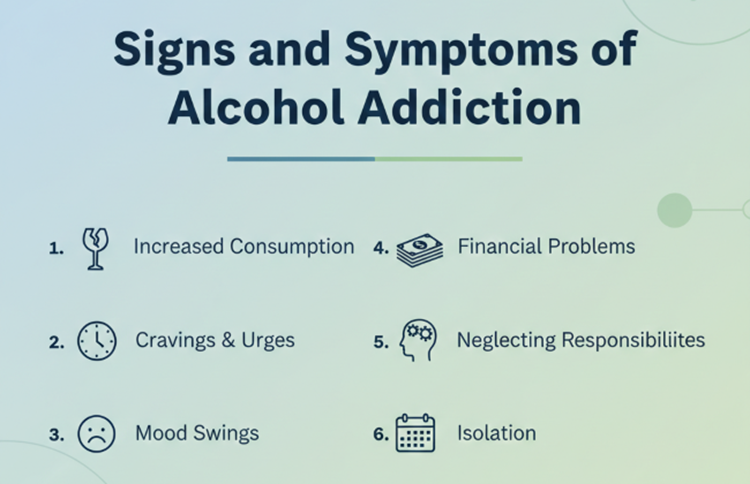
Signs and Symptoms of Alcohol Addiction
Alcohol addiction tends to demonstrate itself through behavioral, emotional, and physical modification in contrast to an evident physical ailment.
Common Signs Include:
- Strong cravings for alcohol
- Drinking more or longer than you had planned
- Placing daily activities around drinking
- Inability to slow down or stop
- Ignoring responsibilities at work or home
- Continuing drinking in the face of relationship problems
- Building up tolerance to withdrawal symptoms
100% Confidential Support is Available 24/7
No matter what you’re going through, you’re not alone. Our dedicated team is here to provide a safe, judgment-free space where you can talk openly and honestly. Whether you need emotional support, resources, or just someone to listen.
We’re here for you—completely confidential and always respectful of your privacy. Call us today!
How Much Alcohol is Too Much?
Heavy drinking increases the chances of developing alcohol use disorder.
General Guidelines
- Men: More than 5 drinks in a day or 15 drinks a week
- Women: More than 4 Drinks in a day or 8 drinks in a week
Regularly crossing these limits is likely to increase dependency and long-term health issues.
What Causes Alcohol Addiction?
There is no single cause of alcohol addiction. Instead, there are a number of things that work together to increase danger.
Common Risk Factors
- Family history of alcohol use disorder
- Mental health conditions like depression, PTSD, or ADHD
- Chronic stress or trauma
- Early exposure to alcohol
- Social climates that favour heavy drinking
Not every individual with risk factors becomes addicted, but these factors do make people vulnerable.
Health Risks and Complications of Alcohol Abuse
The misuse of alcohol in the long run can give rise to serious and even life-threatening conditions.
Potential Complications
- Heart disease and alcohol-induced cardiomyopathy
- Some types of cancer, including esophageal cancer
- Alcohol poisoning
- Impairment of the mind and brain damage
- Extreme withdrawal symptoms like delirium tremens
How Alcohol Use Disorder is Diagnosed
Healthcare providers make the diagnosis of alcohol use disorder in healthcare evaluations and criteria from the Diagnostic and Statistical Manual of Mental Disorders (DSM-5).
AUD severity is categorized according to the number of symptoms that a person has:
- Mild: Two to three symptoms
- Moderate: Four to five symptoms
- Severe: Six or more symptoms
Diagnosis is of help in determining the appropriate course of treatment.
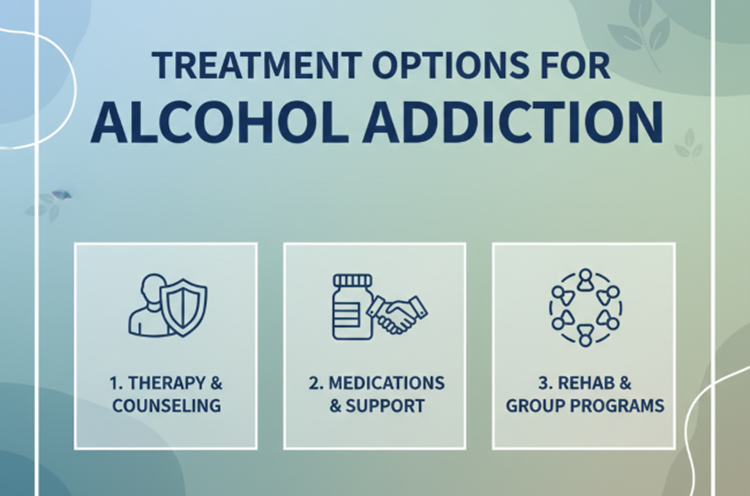
Treatment Options for Alcohol Addiction
Alcohol addiction is treatable, and many people manage to overcome the problem with the right kind of care.
Common Methods of Treatment
- Behavioral treatments such as counseling and cognitive behavioural therapy
- Drugs that minimize cravings or help in the process of abstinence
- Inpatient or outpatient rehabilitation programs
- Peer support and recovery groups
Treatment plans are personalised on the basis of severity, health needs, and individual conditions.
Orlando Treatment Solutions
Battling with Drug and Alcohol Addition? Remember, you are not alone and we are here to help you!
Can Alcohol Addiction Be Cured?
There is no permanent cure for alcohol use disorder. However, long-term recovery is possible. Many people get off to a successful treatment and quit drinking with ongoing treatment and support.
Relapse is possible, especially during times of stressful experiences in life, but that does not mean failure. Recovery is a long-term process that requires continuation of both care and changes in lifestyle.
Preventing Alcohol Addiction
Reducing alcohol-related damage begins with being conscious and aware.
Prevention Tips
- Stay within recommended drinking limits
- Avoid binge drinking
- Learn healthy ways of dealing with stress
- Get help if drinking goes out of control
Early intervention can put a halt to severe addiction.
Living With Alcohol Use Disorder
The recovery process is founded on learning new ways of coping and making essential lifestyle changes.
Self-Care Strategies
- Identify personal triggers
- Develop a good support network
- Engage in physical activity
- Receive ongoing counseling or therapy
Recovery is a journey where you take one step at a time.
When to Seek Immediate Medical Help
Severe withdrawal symptoms such as seizures, hallucinations, or confusion can be life-threatening. Any person who is subjected to these symptoms should seek immediate medical treatment.
Getting Help for Alcohol Addiction
If alcohol is affecting your health, relationships, or quality of life, professional support can be highly beneficial. Concerned about your drinking? Call Orlando Treatment Solutions at (321) 415-3213 for confidential support today.
Support and Recovery Solutions
Orlando Treatment Solutions offers evidence-based treatment for alcohol use disorder with personalized care plans, medical support, and therapy revolving around long-term recovery.
Their compassionate team assists individuals in regaining control, managing cravings, and building healthier lives. To learn more about treatment options, call (321) 415-3213.
Key Takeaways
- Alcohol is addictive despite being legal.
- Alcohol use disorder is a clinical condition
- Early treatment leads to better recovery outcomes
- Professional support reduces the chances of relapse
Frequently Asked Questions
Is alcohol physically addictive?
Yes, alcohol can cause physical dependence. Regular heavy drinking changes brain chemistry, leading to tolerance and withdrawal symptoms such as anxiety, tremors, nausea, and seizures when alcohol use suddenly stops.
Can someone drink occasionally without becoming addicted?
Many people drink occasionally without developing addiction. However, frequent heavy drinking, binge drinking, or using alcohol to cope with emotions increases the risk of developing alcohol use disorder over time.
What are the early signs of alcohol dependence?
Early signs include drinking more than planned, craving alcohol, difficulty cutting back, increased tolerance, and prioritizing drinking over responsibilities or relationships.
Is alcohol addiction treatable?
Yes, alcohol addiction is highly treatable. A combination of therapy, medication, support groups, and lifestyle changes helps many people reduce or stop drinking and maintain long-term recovery.
What happens if alcohol addiction is left untreated?
Untreated alcohol addiction can lead to serious health problems, relationship breakdowns, job loss, mental health disorders, and increased risk of accidents or life-threatening withdrawal.
When should someone seek help for drinking?
Help should be sought when drinking interferes with health, work, relationships, or safety, or when attempts to cut back repeatedly fail. Early help improves long-term outcomes.
Conclusion
- Alcohol is an addictive substance
- Dependency develops gradually
- Alcohol use disorder affects the brain and behavior
- Health risks increase with continued misuse
- Treatment and recovery are possible
- Seeking help is a strong first step