
In This Blog:
- Understanding the connection between long-term alcohol use and cognitive decline
- Potential causes of brain damage related to heavy drinking
- Common physical and psychological effects on daily life
- Differentiating alcohol-related dementia from other forms of cognitive loss
- Identifying early warning signs and symptoms
- Steps toward finding professional, structured support and care
The connection between long-term alcohol use and the condition of the brain is one of the major issues that must be considered regarding the process of addiction recovery. Alcohol-related dementia is a type of cognitive impairment that is brought about by a prolonged excessive consumption of alcohol, which may result in structural and functional changes within the brain. As opposed to certain other types of cognitive impairments, the condition has a direct connection with the neurotoxic nature of ethanol and the nutritional deficiencies that may go hand in hand with heavy drinking.
As the disease advances, they might be unable to remember, perform tasks involving executive functions and motor skills, and make everyday chores a challenge. The identification of the distinct causes and symptoms is an important procedure that individuals should consider to identify the signs in their own life or that of their loved one.
Expert Advice: Cognitive changes from long-term alcohol use require a professional assessment to determine care.
Potential Causes of Cognitive Decline
Heavy alcohol use impacts the brain through several different pathways. One primary cause is the direct toxic effect of alcohol on brain cells, which can lead to the shrinking of brain tissue over time.
Another significant factor is a thiamine deficiency, also known as Vitamin B1, which is common among those with severe alcohol use disorders. Thiamine is essential for the brain to process sugar into energy, and without it, brain cells can become damaged or die.
Primary Drivers of Brain Damage
Cause | Description | Impact on the Brain |
Neurotoxicity | Direct damage to neurons from ethanol | Brain shrinkage and loss of white matter |
Nutritional Gaps | Lack of thiamine (B1) and other vitamins | Disrupted energy metabolism and cell death |
Effects of Alcohol on Brain Structure
Chronic consumption often results in the thinning of the cerebral cortex, the area of the brain responsible for higher-level functions like reasoning and language. This can lead to a decline in “executive functions,” making it hard to plan, organize, or solve problems.
The cerebellum, which controls balance and coordination, is also frequently affected. This often manifests as a shaky gait or difficulty with fine motor skills, which can persist even during periods of sobriety.
- Memory Impairment: Difficulty forming new memories or recalling past events is a hallmark of this condition.
- Emotional Instability: Individuals may experience sudden mood swings, irritability, or a flattening of emotional response.
- Confusion: Persistent disorientation or lack of focus can interfere with personal and professional responsibilities.
- Sleep Disturbances: Disrupted sleep patterns can further exacerbate cognitive issues and overall health.
100% Confidential Support is Available 24/7
No matter what you’re going through, you’re not alone. Our dedicated team is here to provide a safe, judgment-free space where you can talk openly and honestly. Whether you need emotional support, resources, or just someone to listen.
We’re here for you—completely confidential and always respectful of your privacy. Call us today!
Differentiating Alcohol-Related Dementia
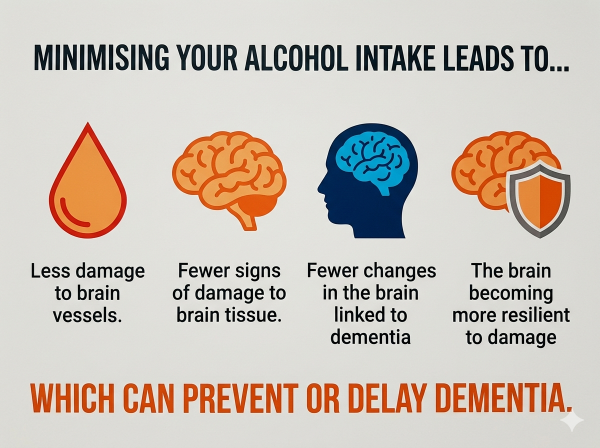
It is important to distinguish alcohol-related cognitive loss from other conditions like Alzheimer’s disease. While some symptoms overlap, alcohol-related dementia is specifically tied to a history of heavy substance use and may show different patterns on brain scans.
Early detection is key, as some cognitive functions may partially improve if the individual stops drinking and receives proper nutritional support. However, some damage may be permanent, requiring long-term management strategies.
Cognitive Symptoms Comparison
Individuals may struggle with “confabulation,” which is the unconscious filling of memory gaps with fabricated information. This is not a deliberate attempt to lie but rather the brain’s way of coping with significant memory loss.
Contact Orlando Treatment Solutions for information regarding structured recovery and support.
The Role of Thiamine Deficiency
A specific condition known as Wernicke-Korsakoff syndrome is often associated with alcohol-related dementia. Wernicke’s encephalopathy is an acute phase characterized by confusion and lack of coordination, while Korsakoff syndrome is a long-term, chronic memory disorder.
Without immediate thiamine supplementation, the acute phase can lead to permanent brain damage. This highlights the necessity of medical oversight during the initial stages of recovery and stabilization.
Behavioral and Social Consequences
As cognitive abilities decline, social interactions often suffer. The individual may become socially withdrawn or display inappropriate behaviors due to a loss of impulse control.
Financial and legal problems are also common, as impaired judgment can lead to poor decision-making. These external stressors can create a cycle where the individual drinks more to cope, further damaging their cognitive health.
Social and Functional Impact
Area of Impact | Common Observation |
Daily Tasks | Forgetting to pay bills or maintain personal hygiene |
Communication | Repeating questions or losing the thread of a conversation |
Work Performance | Difficulty following instructions or meeting deadlines |
Physical Health Complications
Alcohol-related dementia rarely exists in isolation. It is often accompanied by other physical health issues, such as liver disease, high blood pressure, and heart problems.
These co-occurring conditions can complicate the recovery process and require a comprehensive approach to care. Addressing the person’s overall health is essential for any potential cognitive stabilization.

Importance of Professional Assessment
A formal evaluation by a trained professional is necessary to identify the extent of cognitive impairment. This often includes neurological exams, cognitive testing, and a review of the individual’s substance use history.
Professionals can rule out other potential causes of dementia, such as vitamin deficiencies unrelated to alcohol or other underlying health conditions. This ensures the individual receives the most accurate and effective care plan.
FACT: Chronic alcohol use can lead to permanent structural brain damage.
The Recovery Environment
Stabilization often begins with stopping alcohol use in a safe, monitored setting. Because withdrawal can be physically dangerous, professional oversight is mandatory to manage symptoms and prevent further neurological damage.
Structured environments offer the routine and support necessary for the brain to begin healing. These programs focus on nutrition, cognitive exercises, and addressing the underlying patterns of substance use.
Long-Term Management and Support
While some cognitive improvement is possible with sobriety, many individuals will require ongoing support to manage their daily lives. This may include assistance with medication management, appointments, and social integration.
Family involvement is a crucial component of long-term success. Education about the nature of the condition helps caregivers provide a supportive and understanding environment for their loved one.
Orlando Treatment Solutions offers professional services designed to address the complex needs of those struggling with substance use and its cognitive effects. Their approach emphasizes evidence-based strategies and structured support to help individuals achieve the best possible outcomes for their health and well-being.
Medical Disclaimer: This article is for informational purposes only and is not a substitute for professional medical advice.
Struggling to regain balance? Contact Orlando Treatment Solutions for confidential help.
Key Takeaways
Short-term use of kratom can boost mood or energy, but the long-term use of the drug is associated with serious mental health hazards.
Frequent users suffer dependence and withdrawal, as well as mood swings.
The use of high doses or chronicity may lead to anxiety, depression, or even psychosis.
Safe recovery needs the help of the professionals and gradual tapering.
Should anxiety or mood disorders persist, consult with a clinical assessment and systematic intervention.
Medical Disclaimer: This article is for informational purposes only and is not a substitute for professional medical advice.
FAQs
What is alcohol-related dementia?
It is a form of cognitive impairment caused by long-term, excessive alcohol consumption. This condition results from the direct toxic effects of alcohol on the brain and nutritional deficiencies, like thiamine, that often accompany heavy drinking. It impacts memory, reasoning, and physical coordination.
Can the brain damage be reversed?
Some cognitive functions may improve if the person stops drinking and receives proper medical and nutritional care. However, the extent of recovery depends on the duration and severity of the substance use. Some damage to brain structure may be permanent and require management.
How is it different from Alzheimer’s?
While both involve memory loss, alcohol-related dementia is specifically linked to a history of heavy drinking and often affects executive function and motor skills earlier than Alzheimer’s. Brain imaging and a review of substance use history help professionals distinguish between the two conditions for proper care.
What are the early warning signs?
Early signs include persistent confusion, difficulty planning or organizing tasks, and increased irritability. A person may also struggle with balance or begin repeating the same questions or stories frequently. These changes often interfere with work and personal relationships.
How do you help someone with this?
The first step is a professional assessment and moving into a structured, alcohol-free environment. Medical oversight is necessary to manage withdrawal and provide nutritional support. Long-term support involves consistent routines, cognitive assistance, and a focus on maintaining overall physical health.