
In This Blog:
- Biological correlation between alcohol related chronic use and impaired mental functioning.
- Knowing the warning signs and symptoms.
- Role of thiamine deficiency in brain damage.
- The impacts of the structured environments in facilitating the process of neurological stabilization.
- The restoration of cognitive ability through professional treatment.
The correlation between alcoholism and brain health is a very worrying matter to individuals handling long-term substance usage.
Research has found that after years of intense drinking, alcohol can result in some form of mental dysfunction, alcoholic dementia, or alcohol induced brain damage.
It is a condition which develops due to the interaction of the toxicity of ethanol and severe cases of nutritional deficiencies to impair the brain cells and result in shrinkage of the brain tissue.
Compared to some of the other forms of the condition, it is important to ensure that these neurological changes are identified as early as possible to prevent further harm and maintain normal operations.
These psychological changes can only be navigated under a monitored environment in which the physical and the psychological aspects are addressed simultaneously.
Due to absence of professional control, symptoms such as memory loss, confusion, and poor judgment can be even more critical and impact all spheres of the life of a particular person.
Expert Advice: A professional support environment offers essential tools for managing complex mental health conditions.
What is Alcoholic Dementia?
Alcoholic dementia is a cognitive disorder that has evolved due to the constant excessive use of alcohol over a few years.
This is in contrast to Alzheimer’s disease since it is a direct result of the toxicity of alcohol to the brain compared to the protein plaque in the brain.
Most cases expose the brain to damage of memory, as well as learning and decision making components.
The professionals apply the strategy of stabilizing the individual and preventing such symptoms progression in a treatment setting through the structuring of care and controlled assistance.
FACT: Heavy alcohol use can lead to permanent brain tissue shrinkage.
Recognizing the Symptoms
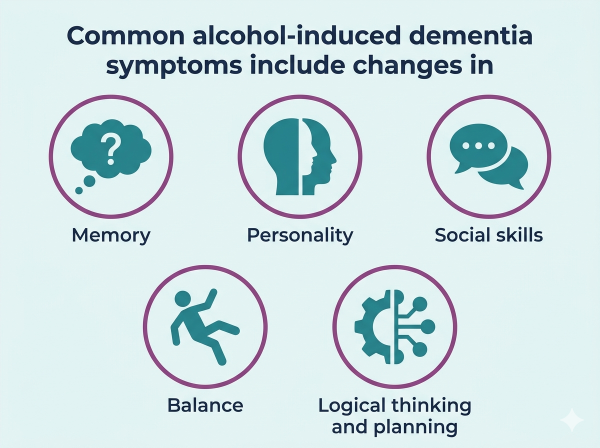
The symptoms of alcohol related cognitive impairment can vary, however, they normally involve great memory lapse and difficulty in balance.
Human beings may suffer in learning new information and may have problems in solving simple tasks that they previously performed rather easily.
The typical signs of brain damage such as change of emotions, becoming more irritable or personality change are also there.
With such signs, a well-managed team can be used to help in a more accurate evaluation and treatment plan since they can determine these signs.
Symptom Category | Common Indicators |
Cognitive | Memory loss, poor judgment, and confusion |
Physical | Poor coordination and difficulty with balance |
Behavioral | Personality changes and lack of social inhibition |
Emotional | Irritability, apathy, or sudden mood swings |
Transitioning to Supervised Support
Provision of nutritional support to the individuals within a monitored setting can rectify the deficiencies that result in the destruction of the brain.
This environment will provide lifetime professional assistance, which will be required to manage mental and physical health.
The Impact of Thiamine Deficiency
Alcohol brain damage is typically associated with profound deficiency of thiamine which is also known as vitamin B1.
The consumption of alcohol in excess causes interruption in absorption as well as in the accumulation of this needed nutrient that supplies energy to the brain.
The brain is unable to execute all its functions properly unless it has an adequate requirement of thiamine, which can lead to conditions like Wernicke-Korsakoff syndrome.
The recovery services are directed to the process of reconstructing these nutrients in order to restore the normal neurological recovery and prevent the further deterioration of the cognitive functions.
Find dedicated help at Orlando Treatment Solutions to start healing today.
Wernicke-Korsakoff Syndrome Comparison
Alcohol-related brain damage is normally brought out in two distinct but internally connected circumstances that are easily confused together.
Understanding the variations on these differences is highly crucial to establish the appropriate path of supervised support.
Condition | Primary Characteristics | Reversibility |
Wernicke Encephalopathy | Sudden onset, confusion, loss of muscle coordination, and vision changes | Often reversible with immediate thiamine treatment |
Korsakoff Syndrome | Chronic memory loss, difficulty forming new memories, and confabulation | Often permanent, though symptoms can be managed |
Impact on Brain Structure
The intense form of the long-term use of alcohol can lead to atrophic changes in the physical appearance of the brain tissue, particularly that of the frontal lobe.
The part of the brain is responsible for executive functions like planning, self- control as well as personality.
There may also be damage to the white matter that is helpful in the communication between the various brain portions.
The extent of such damage must be measured by the professional control with the introduction of the relevant recovery services.
Is the Damage Reversible?
To the extent that some brain damage might be permanent, the condition may be prevented by the termination of the alcohol use.
In other cases, when a patient seeks an environment of treatment, he or she may experience a good memory and coordination.
The brain has a limited ability of healing as long as the toxic effects of alcohol are removed at an early age.
Seeking recovery services as soon as possible can improve the chances to stabilize cognitive functioning and improving the quality of life.
Therapeutic Goals for Brain Health
- Abstinence: Avoiding toxic damage, which will lead to further damage on the brain cells and the brain tissue.
- Nutrition: Refilling the B1 to support neurological recovery and performance.
- Cognitive Rehab: Memory and problem-solving skills in the safe environment
- Emotional Stability: Addressing the mood changes associated with brain damage.
The Necessity of Professional Oversight
Attempting to quit alcohol without professional oversight increases the risks, especially in a person who already has cognitive impairment.
The symptoms may include a decline in the nervous system and brain after withdrawal that causes serious complications.
In a controlled setting, one can be given medical care and a detoxification process in a safe way with medical care available.
It is this foundation that is important for going into the long-term therapeutic phases of a recovery services program which has been specifically designed for neurological health.
Reach out to Orlando Treatment Solutions for professional guidance today.

Preserving Your Cognitive Future
Choosing to address the issue of alcohol use is the most effective method in order to maintain a healthy brain.
Many individuals are provided with a sense of clarity in a treatment environment that helps them to claim their lives.
The focus is on long-term endurance and the maintenance of cognitive abilities.
A planning strategy and professional management would transform the road leading to wellness for an individual that is interested in making a change.
Medical Disclaimer: This blog is for informational purposes only and is not a substitute for professional medical advice.
Key Takeaways
- Alcoholic dementia and brain shrinkage can be increased by major and chronic drinking of alcohol.
- Deficiency in thiamine (vitamin B1) is one of the significant things that cause alcohol related cognitive decline.
- The symptoms include loss of memory, confusion, poor coordination and personality changes.
- Abstinence is the most significant step in the prevention of the progressive damage of the brain
- Professional recovery services provide the monitored setting needed for safe neurological stabilization.
FAQs
Can alcoholic dementia be cured?
There is no specific “cure” that reverses all damage, but the condition can be stabilized. Stopping alcohol use prevents further toxicity, and nutritional support may improve some symptoms. A treatment environment offers the best chance for maximizing cognitive recovery through professional oversight.
How much do I have to drink to get dementia?
The risk is generally associated with many years of heavy, excessive alcohol consumption. Individual factors like genetics, diet, and overall health also play a significant role. If you are concerned about your intake, seeking a monitored setting for an assessment is a proactive step.
What is the difference between this and Alzheimer’s?
Alzheimer’s is a progressive disease involving specific protein plaques, whereas alcoholic dementia is caused by the toxic effects of alcohol and nutritional deficiencies. Professional recovery services can help distinguish between these conditions through a comprehensive health assessment.
Will my memory come back if I stop drinking?
Some individuals experience a partial improvement in memory and focus after several months of abstinence. However, some structural damage to the brain may be permanent. Entering a treatment environment early provides the best opportunity to preserve your remaining cognitive functions.
How does thiamine help the brain?
Thiamine is essential for the brain to convert sugar into energy for its cells. Alcohol interferes with this process, leading to cell death and cognitive symptoms. Supervised support often includes high-dose vitamin therapy to help protect and restore brain function as much as possible.