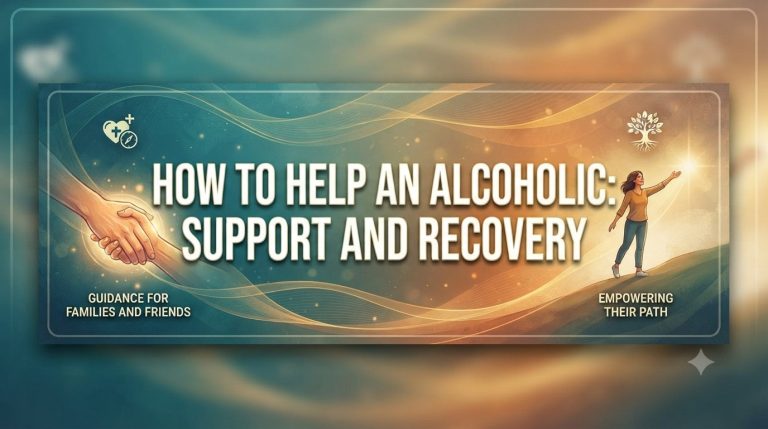

The initial step in dealing with your alcoholic husband is to recognize that alcohol use disorder is a medical condition and one that needs to be treated as such rather than as a behavioral problem. Orlando Treatment Solutions suggests setting boundaries, avoiding enabling behavior, remaining safe, and seeking professional treatment, coupled with engaging in overall emotional well-being.
How To Deal With Alcoholic Husband
When you ask yourself how to handle an alcoholic husband, then check out what you can control. If he’s not intoxicated, tell him how you feel about his drinking, set some limits for his drinking, don’t make excuses for him to continue drinking, and try to provide him with some professional help. Families can contact Orlando Treatment Solutions and go over possible opportunities for addiction treatment.
Introduction
Having a husband who drinks heavily can cause you to feel confused and to become angry, worried, and drained. This may well be a question that plays on your mind during the day- what did he do, will he come back with a smile on his face, what did he make me drink, or is this the end of the next fight? You may also prevent him from having issues about drinking.
Knowing how to handle an alcoholic husband doesn’t constitute an excuse for bad habits, it’s not about attempting to get him to do something that will help him keep from drinking or about enabling him to continue drinking. An alcohol use disorder (AUD) may be affecting the ability to achieve success in quitting drinking even when it leads to significant disruption or distress in relationships or when the alcohol use results in distress or harm.
The important focus is to help on the journey of recovery, not to lose them on recovery.
Key Takeaways
- While there may be no way to stop your husband from drinking, there is a way to affect your response, and, in effect, draw the line.
- Discuss drink issues when he can hear you but isn’t upset and is sober.
- Prevent excuses for being late on assignments, having a breakdown, or whatever difficulties arose as a consequence of the drinking.
- Be vigilant; don’t resort to risky or hurtful actions, either of your own or your child’s.
- Counseling, family treatment, drug, residential, or outpatient treatment may be options for treatment.
- Self-support is important. Family counseling and peer support can help you to cope.
What Are the Symptoms of Alcohol Use Disorder?
Familiarizing yourself with the signs will clue you in that your husband’s drinking may be more than just a rough, time-heavy drinking spree. The National Institute on Alcohol Abuse and Alcoholism (NIAAA) lists 11 symptoms that doctors shared, and if they have one or more of the following symptoms within 12 months of each other, then it could be a red flag that they’re dealing with AUD. The more severe the symptoms, the worse it is.
Signs may include:
- More volume (how much or duration) of fluids
- Cussing and trying and trying and not giving up!
- Spending a lot of time getting, drinking or sobering up from drinking alcohol
- Persuading others to drink alcoholic beverages
- Plaintiff’s failure to complete homework/class assignment(s)
- Continually drinking due to relationship problems
- Booking out pullouts because of use of alcohol
- Feeding of a person when it may be uncomfortable for the person for physical reasons.
- Drinking alcohol even when it might cause health and/or emotional issues.
- Developing increased tolerance
Withdrawal always revolves around symptoms of the body’s reaction to the alcohol’s absence.
If you suspect that your dog may have several of these symptoms, it may be wise to have him/her treated by a professional because you will be more likely to find out what it is instead of a diagnosis.
Why Does a Husband Become Dependent on Alcohol?
Oftentimes, there is no simple cause. Alcohol use disorder is a process that takes place in the biological, psychological, and environmental areas of a certain person.
Vulnerability can be due to genetics. While it’s estimated that 50-60% of someone’s risk for developing AUD may be genetic, that’s not the only factor, as NIAAA notes. Stress, trauma, mental health issues, alcoholism, and environment are amongst the others.
It’s significant when dealing with how to handle an alcoholic husband to avoid blaming yourself, your marriage, or a certain event, as it oversimplifies the issue.
You did not cause him to become an addict! You did not cause him to be an addict of either drugs or alcohol, and you cannot fix his problem!
How is Alcohol Use Disorder Diagnosed?
The doctor will look at the typical alcohol use, symptoms, and physical and mental status, as well as drug use and alcohol’s impact on the body. Diagnosis does NOT involve the amount of drinking to obtain a diagnosis.
The doctors determine 11 symptoms that have developed over the year that indicate AUD (mild, 2-3 symptoms and moderate, 4-5 symptoms; and severe, 6 or more symptoms).
Even if your husband is not interested in seeing a professional to get help, you can talk to a professional by yourself. A therapist or specialist in addictions can assist you to become aware of what you are seeing, and what to do safely.
What is the Best Way to Deal With an Alcoholic Husband?
The best way to cope with an alcoholic husband is to respond to him with empathy and in addition, sound limits. Also get this through their heads that their helping doesn’t absolve them of all the effects of their drinking.
1. Talk When He Is Sober
When he’s “tipsy” it isn’t the time to work on problems on a grand scale. Find an opportunity to speak with someone at a quiet time and talk about any feelings, what it’s doing, and how it makes you feel.
Communicate with the person, e.g., ‘I am afraid that you are drinking too much and I need help.’
2. Set Boundaries
Boundaries would be to let him know what you’re comfortable doing, not what you feel like you can make him do.
For example, you may no longer fight with him when he is drunk, and, perhaps, you won’t ride in the same car with him while he is intoxicated or you will not give him money to buy drinks.
2. Set Boundaries
An effort to “catch up” to compensate for frequent absences, lying, and many excuses or attempted changes to make up for alcohol-related problems can be an unconsciously given approval of the pattern.
Helping to recover is not the same as eradicating all of the consequences.
4. Learn How To Deal With Drunk Husband Safely
If you are questioning yourself about what to do when your husband is “intoxicated” and when an episode occurs, it is best to keep him safe and not indulge in some drama. If possible, try to stay out of his way, as he can be unpredictable; do not confront or try to argue if he is intoxicated, and never allow him to drive.
When encountering violence, threats, weapons, or immediate danger, walk away (de-escalate) and call for emergency help.
5. Encourage Professional Treatment
They might require behavior modification, family treatment, pharmaceutical drugs, mutual support groups, and outpatient and residential treatment. For treatments, there needs to be no one-size-fits-all approach, NIAAA claims.
Need some help? Alcohol addiction treatment can be employed to assist with the majority of issues. At Orlando Treatment Solutions, you’re able to get a better understanding of treatment alternatives and help you determine the steps to take to get you to the treatment option you make a decision on.
What Does Scientific Research Say About Alcohol Addiction and Recovery?
Studies reveal that there are brain changes in people who suffer from AUD when it comes to quitting alcohol, but it’s possible to achieve recovery. Evidence-based behavioral treatments can be effective in helping people learn to cope, manage triggers, and change drinking behaviors, as you will learn as you go through the information below.
Other products – such as medicines – can be involved. Naltrexone, acamprosate and disulfiram approved by the FDA, are drugs for AUD, according to NIAAA. Some drugs, such as naltrexone, acamprosate, and disulfiram, might help keep you from wanting alcohol, keep you from drinking, or help you to stay away from drink triggers due to unpleasant side effects if the drug is administered with alcohol. The doctor decides whether or not to take a medicine.
What Are the Side Effects and Family Effects of Alcohol Abuse?
Alcohol has more far-reaching effects than just on an individual. If alcohol is not used in moderation over the long term, liver disease, heart disease, stroke, cancer, mental health problems, memory loss and interpersonal problems may result.
Time can increase stress, fear, resentment, feelings of loneliness, financial troubles, and mistrust of being excluded by the spouse.
Alcoholic’s husband, here are some tips on how you can deal with him, but do keep in mind that you are healthy too! There is no need to wait until he has started his treatment to seek treatment or counseling and to go to family supports.

Review
Help, it’s safe, it’s healthy, and/or it’s normal. You don’t have to love your husband and allow him to do harmful things, such as drinking. Then the ‘so-called recovery talk’ can begin, and then if he wants to get treated, he does or does not.
How Can You Prevent Alcohol-Related Harm at Home?
The safest way to remove the hazard is to reduce the risk of danger from flares, fire, sparks, or other flammable materials.
Don’t go out on the night following a night of drinking by a man (husband/husband-to-be).
Prevent kids’ exposure to unsafe intoxicated situations.
Refrain from using alcohol as a way to deal with conflict or withdrawal.
Keep valuables, such as paperwork and personal papers, well protected.
Have an alternate place planned in case of non-safety at home.
But don’t wait around for him to come to a place of recovery. However, obtain counsel for him.
If he tries to quit drinking after consuming a considerable amount of alcohol, suggest that he seek professional assistance to stop drinking.
If they are indeed heavy drinkers and they try to abruptly stop drinking, it can be even life-threatening because of alcohol withdrawal. May need medical supervision.
How To Cope With an Alcoholic Husband
When you want to know how to fix an alcoholic husband, the first thing that you have to admit is that you cannot make an adult cease drinking. To set up healthy boundaries, support your family, and stop enabling, encourage treatment.
If you are thinking, “How do I deal with an alcoholic husband?” then there is a way to do so without endangering your health or emotional well-being as a wife or girlfriend. The tools that can be provided through professional assistance can enable individuals and families to get on track!
Contact Orland Treatment Solutions when your spouse’s, marriage’s, or family’s life is being affected by alcohol. Call today to learn about a discreet treatment method that deals with alcohol abuse and recovery.
Medical Disclaimer: This blog is for educational purposes and does not replace medical, psychological, or emergency care. Alcohol withdrawal can be dangerous, particularly after long-term heavy drinking. A qualified healthcare professional should guide diagnosis, detoxification, medication decisions, and treatment.
Frequently Asked Questions
What are the four types of wives of alcoholics?
There is no medically recognized classification of “four types of wives of alcoholics.” Some discussions describe common coping roles, such as caretaker, enabler, controller, or detached partner, but these are informal descriptions rather than clinical diagnoses.
What are the three rules within an alcoholic family?
There are no universally accepted clinical “three rules” for alcoholic families. However, unhealthy family patterns often involve secrecy, denial, and avoiding conflict. Therapy can help family members replace these patterns with honest communication, boundaries, and appropriate support.
What’s the average life expectancy for an alcoholic?
There is no single life expectancy for someone with AUD because outcomes vary widely by drinking pattern, health, age, treatment, and other factors. Excessive alcohol use can substantially increase premature death risk and shorten lives.
Do alcoholics run in your family?
AUD can run in families because genetics contribute significantly to vulnerability. However, having a parent or relative with AUD does not mean someone will develop it. Environmental factors, stress, trauma, and drinking behaviors also influence risk.
What are the 11 symptoms of alcohol use disorder?
The 11 symptoms include drinking more than intended, unsuccessful attempts to cut down, craving, excessive time spent drinking, neglected responsibilities, relationship problems, reduced activities, risky drinking, continued use despite harm, tolerance, and withdrawal.
Why do some heavy drinkers live so long?
Alcohol-related harm varies among individuals. Genetics, overall health, drinking patterns, nutrition, medical care, other substance use, and lifestyle factors all matter. Living a long time despite heavy drinking does not mean alcohol is harmless or that serious damage will not occur.
What drug can help people reduce their alcohol consumption?
Naltrexone is an FDA-approved medication that can help reduce alcohol cravings and drinking for some people with AUD. Other approved medications include acamprosate and disulfiram. A healthcare professional should determine which option is appropriate.
What is the number one cause of death for alcoholics?
There is no single “number one” cause of death for everyone with AUD. Excessive alcohol use contributes to chronic diseases, cancers, liver disease, heart disease, injuries, poisoning, and other causes. The CDC estimates about 178,000 U.S. deaths annually from excessive alcohol use.