
You may be afraid that you would be jobless in the course of seeking treatments and, in that case, the FMLA for rehab in Florida can offer significant coverage. Family and Medical Leave Act (FMLA) entitles employees to the right to leave their jobs temporarily to seek medical attention, including substance use and mental treatment, without any form of job loss.
Such a description of the process of functioning of the FMLA deprives a great number of individuals who consider rehabilitation in Florida of one of the greatest barriers on their way to receiving help.
This is one of the fears we can hear in the Orlando Treatment Solutions:
How will my job survive if I go to rehab?
The guide also covers the workings of the FMLA, who it covers and how the benefits benefit you in your healing period as well as uphold your means of living.
What is the FMLA?
The Family and Medical Leave Act is a federal law that provides qualifying employees up to 12 weeks of job-related leave within a span of 12 months but without any payment. Your employer must continue your group health insurance coverage under the same terms as when you were working during a condoned FMLA leave.
FMLA is also applicable to serious health conditions like substance use disorders and mental health conditions as long as they are subject to medical treatment by a licensed health expert. This means that the coverage of attending rehab in either inpatient or outpatient Florida may be under the FMLA protection so long as the rehabilitation is medically required and documented.
How FMLA Protects Your Job During Rehab
Yes—FMLA is capable of providing for outpatient rehab. The law is also lenient enough to grant intermittent leave, i.e., leave is also allowed to be taken in small sizes rather than in one big size. This is commonly used for:
- Therapy sessions
- Medication management
- Intensive outpatient program (IOP).
The outpatient facilities are flexible to meet the needs of the clinics but at the same time, they are viewed as providing rehabilitation to people who desire it in Florida. FMLA can be applied to the outpatient rehab, provided that a healthcare provider qualifies the treatment as medically necessary.
100% Confidential Support is Available 24/7
No matter what you’re going through, you’re not alone. Our dedicated team is here to provide a safe, judgment-free space where you can talk openly and honestly. Whether you need emotional support, resources, or just someone to listen.
We’re here for you—completely confidential and always respectful of your privacy. Call us today!
Is Outpatient Rehab Covered by FMLA?
It can cover outpatient treatment. FMLA also permits an intermittent leave, so that you can receive leave in small portions to either take care of therapy sessions, medication management, or an intensive outpatient program.
Outpatient care is more work and family-friendly to many individuals in the Rehab in Florida. Outpatient rehab can be under the protection of FMLA provided that a healthcare provider treats it as a medically necessary one.
Steps to Take When Using FMLA for Rehab
There is generally no difficulty in the procedure of utilizing FMLA, but time and paperwork matter. The procedures are provided here in a barebones form:
- Talk to a competent medical professional so as to ensure that the medical care is spelled out as a critical health issue.
- Recommend your employer (it is better to give a 30-day notice in treatment cases).
- Paperwork: Notify and complete the FMLA form with the employer or the human resources department.
- Medical certification of the need for leave.
- Get something going and work towards your recovery.
Numerous rehabilitation programs in Florida can assist in the documentation ordeal, but this will assist in reducing the stress during a challenging period.
FMLA Eligibility
FMLA is not always applicable to the employees. To be eligible, you must:
- Employer is a covered employer (in most cases 50 or more employees in a 75-mile radius)
- Employed by that employer for 12 months.
- Worked in the previous 12 months 1250 or more of the hours worked during the 12 months.
FMLA allows Florida rehab to be insured when it is medically necessary.
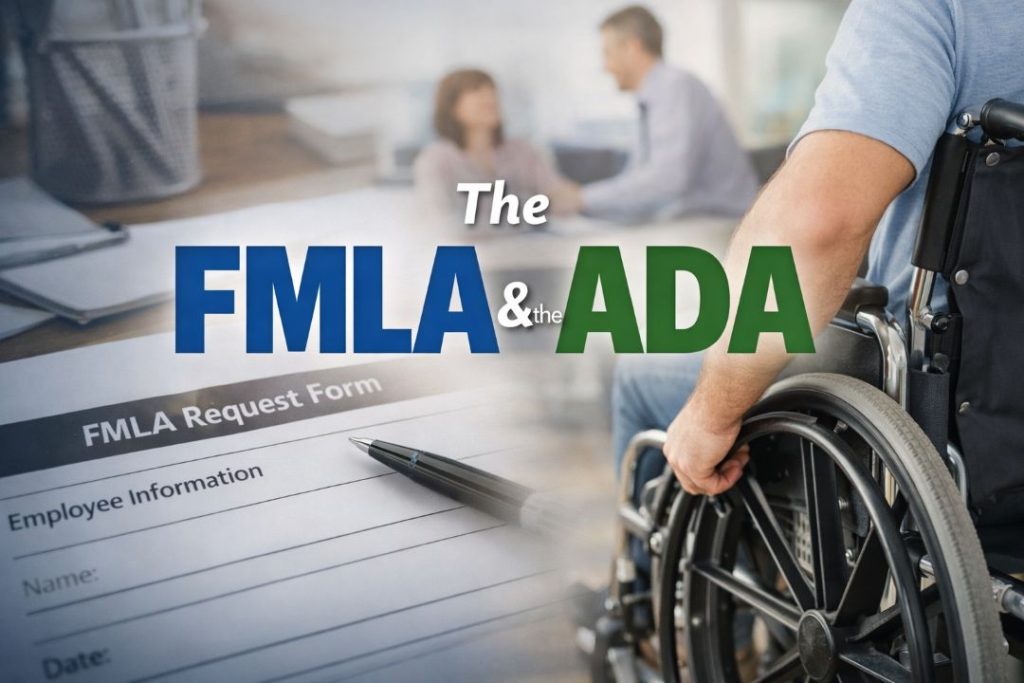
The FMLA & the ADA
In other circumstances, the Americans with Disabilities Act (ADA) can be employed to provide more benefits as compared to FMLA. As a condition of FMLA or absentee treatment, ADA may compel employers to make reasonable accommodations by granting you a return to employment.
Examples of such accommodations include:
- Modified work schedules
- Reduced hours temporarily
- Restructured initial recovery.
The FMLA and ADA protection can be mutually advantageous in the situation with individuals who do rehab in Florida; in other words, they will assist them in granting them a treatment leave, providing a less painful and more lasting integration into the workplace.
The Employer’s Role in Treatment
The employers are not entitled to information during the diagnosis or treatment. Their business is the FMLA paperwork and maintenance of the benefits during your leave, as well as returning the same back to work.
Most employers would be willing to do what is right by the law and ensure that the employees are well. Employers are not in the business of judging but of following the law in situations where Rehab in Florida is presented as a medical requirement and well noted.
Find Drug & Alcohol Rehab Treatment in Orlando, FL Today
Deciding to assist is a kind and heroic treatment choice. The problem of your employment should not be used as an obstacle to your health care.
Should Florida be the thought of rehab, confidential help is available then.
You may place a call and discuss with a caring admissions representative of Orlando Treatment Solutions. Our mutual aid team can help you to make treatment options, be aware of the paperwork required under the FMLA and take a step in the right direction.
It is curable and you need not run the risk of making your career a mess to begin with.
Disclaimer
This content is provided for informational purposes only and does not constitute legal, medical, or employment advice. FMLA eligibility and protections can vary based on individual circumstances. For personalized guidance, consult a qualified healthcare provider, employment attorney, or human resources professional.
Frequently Asked Questions About FMLA and Rehab
Does rehab qualify for FMLA?
Yes. Rehab qualifies for FMLA when it’s medically necessary and provided by a healthcare professional. Both substance use and mental health treatment can meet the definition of a serious health condition under federal law when proper certification is submitted.
What conditions qualify for FMLA leave in Florida?
Conditions include serious physical or mental health issues requiring ongoing treatment. This can include substance use disorders, depression, anxiety, and other behavioral health conditions when a licensed provider confirms the need for medical leave.
Can you lose your job because of a medical condition?
Generally, no. Under FMLA, eligible employees cannot be fired for taking protected medical leave. Additional protections may apply under the ADA, which helps prevent discrimination related to qualifying medical conditions.
How long do you have to hold a job for an employee on medical leave?
Under FMLA, employers must hold an employee’s job—or an equivalent one—for up to 12 weeks of protected leave within 12 months, as long as the employee meets eligibility requirements.
What kind of proof do you need for FMLA?
You need a medical certification from a healthcare provider stating that a serious health condition exists and requires leave. Specific diagnoses are not required—only confirmation of medical necessity and expected duration.
How long can you take off work for mental health issues?
Eligible employees can take up to 12 weeks of FMLA leave per year for mental health conditions. Leave can be continuous or intermittent, depending on treatment needs and provider recommendations.
References
- U.S. Department of Labor – Family and Medical Leave Act
- FMLA and Mental Health Conditions
- Americans with Disabilities Act (ADA) – Employment Provisions