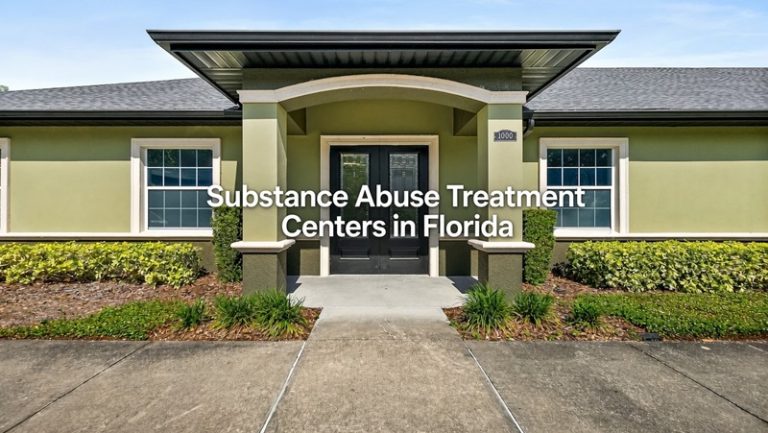
Outpatient rehab in Orlando, FL, is addiction treatment you attend on a specific schedule without living at a facility. Some local facilities include Orlando Treatment Solutions, Orlando Outpatient Center, Orlando Recovery Center, Aspire Health Partners, and Central Florida Treatment Center.
Our outpatient rehab is a type of addiction care that does not require an overnight stay. Treatment may be for a few hours per week or for blocks of treatment that occur near-daily. These most often contain group therapy, coping skills training, family involvement, and relapse prevention planning. For most medically stable populations intensive outpatient care is shown to be as effective as inpatient care.
A belief that stops many people from calling: “Real rehab means disappearing for a month. Many, however, find the most beneficial care to be the care that fits into their life.
Perhaps you can’t afford to lose a paycheck, or perhaps your spouse or loved one won’t “go away” for treatment. Outpatient care is designed for these times.
Wondering whether outpatient care fits your schedule? Orlando Treatment Solutions can walk you through options at (321) 415-3213.
Below, you will find five Orlando programs, how outpatient care works, and how to pick the right fit.
What is Outpatient Rehab Treatment, Exactly?
Outpatient rehab treatment is professional care for substance use disorder that you attend without living on site. You follow a weekly schedule of therapy, education, and peer support. The goal is to help you stop using, manage cravings, handle stress in healthier ways, and build a stable routine at home.
A typical week mixes group therapy, skills-based work such as cognitive behavioral therapy (CBT), relapse prevention planning, and family sessions. If you are comparing options for drug rehab in Orlando, Florida, this is the key difference: you get real treatment intensity without giving up your home.
Best Outpatient Rehab Centers in Orlando, FL
Five established drug rehab centers in Orlando, Florida, that offer outpatient care are Orlando Treatment Solutions, Orlando Outpatient Center, Orlando Recovery Center, Aspire Health Partners, and Central Florida Treatment Center. They differ in focus, ranging from dual-diagnosis PHP and IOP to medication-assisted opioid care. The best choice depends on your symptoms, schedule, and insurance.
Center | Location | Outpatient Services | Stands Out For |
Orlando Treatment Solutions | Oviedo | PHP, IOP, standard outpatient | Alcohol and drug addiction rehab, dual diagnosis care, day or evening options |
Orlando Outpatient Center | Maitland | IOP, outpatient counseling | Addiction and mental health IOP for adults |
Orlando Recovery Center | Southwest Orlando | Detox, inpatient, PHP, IOP | Full continuum under one roof |
Aspire Health Partners | Orlando (multiple sites) | Outpatient, IOP, MAT | Nonprofit care with public insurance options |
Central Florida Treatment Center | West Colonial Drive | Opioid treatment program | Methadone and buprenorphine with counseling |
1. Orlando Treatment Solutions
Located at 400 FL-434 in Oviedo, Orlando Treatment Solutions is an outpatient-only center for adults. It offers PHP, IOP, and standard outpatient care, with a strong focus on treating addiction and mental health together. Clients live at home and attend day or evening programming.
2. Orlando Outpatient Center
Based on East Sybelia Avenue in Maitland, this Advanced Recovery Systems facility runs an intensive outpatient program for adults with addiction or mental health concerns. It welcomes new clients from the community and people stepping down from its sister inpatient center.
3. Orlando Recovery Center
This physician-led center on Lake Ellenor Drive covers the full continuum, from medical detox and inpatient rehab to PHP and IOP. It can suit people who need supervised withdrawal first and want to step down to outpatient care in the same system.
4. Aspire Health Partners
Aspire is a nonprofit behavioral health provider with several Orlando locations, including its West Columbia Street campus. Its services include outpatient counseling, IOP, and medication-assisted treatment. Public treatment directories list Medicaid and sliding-scale options at some sites.
5. Central Florida Treatment Center
Serving Orlando since 1983 from West Colonial Drive, this clinic specializes in outpatient medication-assisted treatment for opioid use disorder. Care combines methadone or buprenorphine with counseling, which fits people whose main struggle involves heroin, fentanyl, or prescription painkillers.
Programs, schedules, and insurance networks can change, so confirm current details directly with any center before you enroll.
How Do Outpatient Rehab Levels in Orlando Compare?
Outpatient rehab in Orlando usually comes in three levels. Per the ASAM criteria, standard outpatient care offers fewer than 9 hours of care per week. An intensive outpatient program (IOP) offers 9 to 19 hours. A partial hospitalization program (PHP) offers 20 or more hours. Your level depends on symptom severity, home support, and relapse risk.
Level of Care | Weekly Hours (ASAM) | What the Schedule Looks Like | Often a Good Fit For |
Standard Outpatient (Level 1) | Fewer than 9 | A few sessions per week | Stable recovery, step-down after IOP |
Intensive Outpatient (IOP, Level 2.1) | 9 to 19 | Several half-days or evenings | Moderate symptoms, work or school commitments |
Partial Hospitalization (PHP, Level 2.5) | 20 or more | Most weekdays, most of the day | Higher symptoms, need for daily structure |
Many people start in PHP and step down to IOP, then standard outpatient, as confidence grows.
Not sure whether IOP or PHP matches your needs? An assessment at Orlando Treatment Solutions gives clear answers.
Is Outpatient Rehab as Effective as Inpatient?
For most people who do not need medical detox or round-the-clock supervision, yes. A major review in Psychiatric Services found that intensive outpatient programs produced outcomes similar to inpatient and residential care. Every study in that review reported lower alcohol and drug use. Results still depend on staying engaged long enough.
Research insight: Researchers concluded that intensive outpatient programs work as well as inpatient treatment for most adults with substance use disorders. (Psychiatric Services, 2014)
Recovery by the Numbers
Data Point | What the Research Shows | Source |
IOP outcomes vs. inpatient care | Comparable for most adults | Psychiatric Services, 2014 |
Relapse after treatment (similar to asthma and hypertension) | 40% to 60% | NIDA, 2023 |
Adults who have ever had a substance use problem and now report recovery | About 75% | Drug and Alcohol Dependence, 2020 |
U.S. overdose deaths, 2023 to 2024 | Fell 26.9%, from about 110,000 to about 80,400 | CDC, 2025 |
Fact: Intensive outpatient programs matched inpatient outcomes for most adults in controlled research.
Who Is a Good Fit for Outpatient Rehab?
Outpatient rehab fits adults who are medically stable, ready to make changes, and living somewhere reasonably safe. It also suits people stepping down from residential care. Anyone who needs medical detox, faces severe withdrawal risk, or lives around active drug use may need a higher level of care first.
Outpatient May Fit Well If You… | You May Need More Support First If You… |
Can get through the day without dangerous withdrawal | Have had seizures or severe withdrawal before |
Have a stable home or supportive family. | Live with people who use heavily. |
Recently finished detox or residential care | Cannot stay safe between sessions |
Live with manageable anxiety or depression. | Are in an active mental health crisis |
Alcohol and benzodiazepine withdrawal can need medical monitoring, so detox comes first. Many people also live with anxiety, depression, or trauma, which NIDA’s research on co-occurring disorders shows often travels with addiction.
NIDA insight: When a substance use disorder and another mental health condition occur together, treating both at the same time usually works better than treating them one after another. (National Institute on Drug Abuse, 2024)
How Long Does Outpatient Rehab Treatment Last?
No single timeline fits everyone, but longer usually works better. According to NIDA, residential or outpatient treatment lasting less than 90 days has limited effectiveness, and many people benefit from staying much longer. Most people move through phases, starting with more weekly hours and tapering to lighter support over time.
NIDA guidance: Good outcomes depend on adequate treatment length. Dropping out early is one of the biggest problems programs face, so keeping patients engaged directly improves results. (National Institute on Drug Abuse)
Expert Advice: Commit to at least 90 days of treatment for stronger, lasting results.
How Can Families Help During Outpatient Rehab?
Families help most by learning about addiction, joining family sessions, and keeping home life calm and substance-free. Clear, kind boundaries work better than lectures or threats. Because outpatient clients go home every day, family routines directly shape recovery. Caregivers also need to protect their own health, since supporting someone can be draining.

How Supports Outpatient Rehab in Orlando
Orlando Treatment Solutions (OTS) serves Orlando and Central Florida from Oviedo with outpatient care only. Clients live off-site and attend day or evening programming, so treatment fits around work and family. Every plan starts with a thorough assessment, which decides your starting level instead of forcing a one-size-fits-all track.
You might begin in the Partial Hospitalization Program, step into the Intensive Outpatient Program, and finish in the standard Outpatient Program. The Dual Diagnosis Program treats co-occurring conditions, using CBT, ACT, group therapy, the Family Therapy Program, and relapse prevention therapy.
Check Your Insurance Coverage for Rehab in Orlando
Most major private health insurance plans are accepted, including BCBS, Humana, Cigna, UHC, Beacon, and Curative. Don’t hesitate and be uncertain. Verify Your Insurance Online & Confidentially or call (321) 415-3213 to verify your coverage in minutes.
FAQs
What is outpatient rehab?
Outpatient rehab is addiction treatment that allows you to live at home while attending scheduled therapy and recovery services. Programs may include group therapy, relapse prevention, medication management, and peer support. Treatment intensity varies from standard outpatient care to more structured programs such as intensive outpatient and partial hospitalization.
How much does outpatient rehab cost in Orlando?
The cost of outpatient rehab in Orlando varies based on the level of care, number of treatment sessions, program length, insurance coverage, and provider. Outpatient treatment generally does not include residential housing costs. Contact the program and insurer to verify benefits, deductibles, copays, authorization requirements, and expected out-of-pocket expenses.
Can I keep working while in outpatient rehab?
Many people can continue working while attending outpatient rehab, particularly with standard outpatient or intensive outpatient treatment. Scheduling varies by program. PHP typically requires more hours and daytime participation, which may make full-time work difficult. Discuss your work schedule with the treatment team to determine an appropriate level of care.
What is the difference between IOP and PHP?
The main difference is treatment intensity and time commitment. IOP generally involves several treatment sessions each week while allowing greater flexibility for work, school, or family responsibilities. PHP provides more intensive, structured treatment, often throughout much of the day. Exact schedules and weekly hours vary by program and clinical needs.
Does Orlando Treatment Solutions offer detox?
Orlando Treatment Solutions provides outpatient treatment and does not offer medically supervised detox at its Orlando location. Its website states that people who need detox are referred to local detox facilities before beginning outpatient care. Admissions can help coordinate referrals and transition planning when appropriate.
Does insurance cover outpatient rehab treatment?
Many private insurance plans provide some coverage for outpatient substance use treatment, but coverage depends on the specific policy, provider network, deductible, copayments, and authorization requirements. Orlando Treatment Solutions states that it accepts most major private insurance providers. Confirm your benefits and expected costs with both your insurer and treatment provider before beginning care.
Can outpatient rehab treat anxiety or depression too?
Yes. Outpatient programs can address substance use alongside anxiety, depression, and other mental health conditions when they provide co-occurring disorder treatment. Orlando Treatment Solutions describes dual-diagnosis support as part of its substance use services, using approaches such as therapy and individualized treatment planning to address both concerns together.
What happens if I relapse during outpatient rehab?
A return to substance use does not necessarily mean outpatient treatment must end. Tell your treatment team promptly so they can reassess your needs, identify triggers, and modify your recovery plan. Depending on the situation, they may increase treatment intensity, address co-occurring concerns, consider medication, or recommend a different level of care.
Is outpatient rehab confidential?
Yes. Addiction treatment records receive specific federal privacy protections, including under federal regulations governing substance use disorder patient records. However, confidentiality has limited legal exceptions, and information is not necessarily protected in exactly the same way in every circumstance. Treatment providers should explain their privacy practices and any applicable disclosures before care begins.
Which outpatient rehab centers in Orlando treat opioid addiction?
Several Orlando-area providers offer outpatient treatment for opioid use disorder. For example, Central Florida Treatment Centers – Orlando and Aspire Health Partners Medication Assisted Treatment provide medication-based opioid treatment. SAMHSA identifies methadone and buprenorphine as medications used within opioid treatment programs. Availability, eligibility, and medication options should be confirmed directly with each provider.
References
- McCarty, D., Braude, L., Lyman, D. R., et al. (2014). Substance abuse intensive outpatient programs: Assessing the evidence. Psychiatric Services, 65(6), 718–726.
- National Institute on Drug Abuse. (2023). Treatment and recovery. Drugs, Brains, and Behavior: The Science of Addiction.
- National Institute on Drug Abuse. (2024). Co-occurring disorders and health conditions.
- National Institute on Drug Abuse. Principles of effective treatment. Principles of Drug Addiction Treatment: A Research-Based Guide (Third Edition).
- National Institute of Mental Health. Substance use and co-occurring mental disorders.
- Centers for Disease Control and Prevention, National Center for Health Statistics. (2025, May 14). U.S. overdose deaths decrease almost 27% in 2024.
- Jones, C. M., Noonan, R. K., & Compton, W. M. (2020). Prevalence and correlates of ever having a substance use problem and substance use recovery status among adults in the United States, 2018. Drug and Alcohol Dependence, 214, 108169.
- American Society of Addiction Medicine. The ASAM Criteria: Frequently asked questions.
This blog is for informational purposes only and should not replace professional medical advice, diagnosis, or treatment. If you or someone you know is struggling with substance use, contact Orlando Treatment Solutions or visit orlandotreatmentsolutions.com to learn about available treatment options.