In This Blog
- Defining the Two Narcotic Giants
- Chemical Composition and Potency Levels
- Common Brand Names and Prescribing Habits
- Side Effects: Similarities and Distinctions
- The Risk of Dependency and Withdrawal
- The Importance of a Monitored Setting for Detox
- Evidence-Based Recovery Services
- Choosing a Path to Long-Term Sobrietya
Oxycodone and hydrocodone are two of the most common opioid pain medications that are prescribed in the pain management scenario. Though they are both potent semi-synthetic narcotics used to relieve moderate to severe pain, they differ both in their chemical composition, on how they affect the brain, and in the possibility of their misuse.
Knowing the answer to the question of what the difference is between oxycodone vs. hydrocodone is critical to patients, families, and individuals who want to know about the peculiarities of opioid dependency.
The two drugs act by attaching to the mu-opioid receptors located in the central nervous system, and this action has the effect of preventing the transmission of pain impulses as well as causing a feeling of euphoria or a feeling of relaxation. Nonetheless, this is not true, as their strengths and how they are absorbed by the body vary, and this may affect the rate at which dependency is acquired.
Since these drugs pose a significant risk of addiction, the reduction of their consumption should be under the supervision of a professional to guarantee the safety of the patients and their success in the long run.
In the case of people who are not able to handle addiction to either of the substances, the recovery process may take much more than mere cessation of the medication. It needs to be treated in a systematic treatment setting where both physical and psychological aspects of addiction are treated at the same time.
Expert Advice: Reduction of doses gradually will minimize the withdrawal effect and avoid the abrupt depressive mood swings.
100% Confidential Support is Available 24/7
No matter what you’re going through, you’re not alone. Our dedicated team is here to provide a safe, judgment-free space where you can talk openly and honestly. Whether you need emotional support, resources, or just someone to listen.
We’re here for you—completely confidential and always respectful of your privacy. Call us today!
Chemical Composition and Potency Levels
The main distinction that exists between these two drugs is based on their chemical composition and perceived power. Even though they are both derived from the opium poppy, they are not synthesized similarly in the laboratory.
- Oxycodone: The drug is generally believed to be 30-50 per cent more powerful than hydrocodone. It is weaker and is therefore usually used when dealing with more serious acute pain or chronic pain which is not reduced by weaker opioids.
- Hydrocodone: Hydrocodone in the past was nearly always used in combination with non-opioid painkillers, such as acetaminophen (paracetamol). Although it is a little less effective than oxycodone, this is a strong narcotic that cannot be dealt with without professional control.
The variance in potency is a vital determinant in a clinically monitored setting in the process of detoxification. Individuals who quit oxycodone can develop a more severe acute withdrawal period, which requires more stringent supervised care to cope with the symptoms and avoid complications.
Stop letting prescription pills rule your future, make contact today. Supervised support in a safe environment can be provided at Orlando Treatment Solutions.
Common Brand Names and Combinations
The common brand names of the drugs have come in handy to assist in identifying these drugs in a home or in a clinical setting.
Generic Drug | Common Brand Names | Often Combined With |
Oxycodone | OxyContin, Roxicodone, Percocet. | Acetaminophen (in Percocet), Aspirin. |
Hydrocodone | Vicodin, Norco, Lortab, Zohydro. | Acetaminophen (in Norco/Vicodin), Ibuprofen. |
Many individuals are unaware that secondary components like acetaminophen can cause serious liver damage when abused or taken in excessive doses. This is why a formal care plan is needed to assess both opioid use and the individual’s overall physiological condition when accessing recovery services.
FACT: Abuse of amphetamines can lead to immediate death and severe heart attacks.
Stop letting prescription pills rule your future. Make contact today. Supervised support in a safe environment can be provided at Contact Orlando Treatment Solutions.
100% Confidential Support is Available 24/7
No matter what you’re going through, you’re not alone. Our dedicated team is here to provide a safe, judgment-free space where you can talk openly and honestly. Whether you need emotional support, resources, or just someone to listen.
We’re here for you—completely confidential and always respectful of your privacy. Call us today!
Side Effects: Similarities and Distinctions
The two drugs have an equivalent high, as well as common adverse effects, including constipation, sleepiness, and a slow breathing rate. Nevertheless, subtle differences in the experience of the patient are reported by the users and the clinicians.
Shared Side Effects:
- Nausea and vomiting
- Dizziness and lightheadedness
- Extreme lethargy
- Itching or “opioid rash”
Potential Distinctions:
Research has indicated that hydrocodone has the possibility of causing more stomach-related inflammation and constipation than oxycodone. Oxycodone, on the other hand, tends to be linked with an increased degree of alert euphoria, which certain clinicians suppose may predispose it to a slight increase in misuse. These side effects are treated in an organized treatment setting with the help of medical care so that the patient does not suffer during his or her initial recovery.
Orlando Treatment Solutions
Battling with Drug and Alcohol Addition? Remember, you are not alone and we are here to help you!
The Risk of Dependency and Withdrawal
Both medicines are at a high risk of Physical Dependency, no matter the level of its strength. Once the brain becomes used to the existence of these narcotics, it ceases to make its own painkillers. When an individual abruptly stops the drug, the person will go through opioid withdrawal, which is a painful experience that might need a monitored environment to be safe.
Withdrawal Comparison
Feature | Oxycodone Withdrawal | Hydrocodone Withdrawal |
Onset | 8 to 12 hours after the last dose. | 6 to 12 hours after the last dose. |
Intensity | Generally high due to potency. | Moderate to High. |
Acute Duration | 5 to 10 days. | 5 to 7 days. |
Primary Danger | Severe dehydration and relapse. | Severe dehydration and relapse. |

The Importance of a Monitored Setting for Detox
Since the cravings experienced during opioid withdrawal are overwhelming, the first step to be made by a person must be taken in a monitored environment. Within this setting, physicians offer professional guidance, in which they utilize FDA-approved drugs to normalize the chemistry of the brain and reduce the volume of the withdrawal symptoms.
A structured treatment environment ensures that:
- Vitals are followed: The withdrawal of opioids can lead to peaks of hypertension and heart rate.
- Safety is taken seriously: The availability of illegal substances is eliminated, and it is a safe haven in the healing process.
- The support is always there: Clinicians can be 24/7 on the phone to face the psychological panic usually surrounding detox.
Evidence-Based Recovery Services
Real healing occurs once the drug leaves the system. The overall recovery services that focus on the reasons behind the addiction are a long-term success.
- Cognitive Behavioral Therapy (CBT): Training the brain to deal with pain and stress without taking medications.
- Group Counseling: Forming communion with like-minded people who have made decisions the same way one did between oxycodone and hydrocodone.
- Dual Diagnosis: Treating any underlying mental problem, like depression or anxiety, which could have catalyzed the drug use.
Orlando Treatment Solutions offers the comprehensive support required to go through such timelines without the great likelihood of relapse.
Although the clinical differences between oxycodone and hydrocodone are based on the strengths and the chemical composition of the two, they are both strong opioids, and they must be respected and handled with care.
It does not need a long route to turn a good prescription into a life-threatening addiction, yet there is always a way to go back to wellness. With proper treatment setting selection and professional supervision, you will start the cycle of opioid use and regain your freedom.
We provide a comprehensive range of recovery services at Orlando Treatment Solutions in a bid to heal the entire individual. We focus on a secure, controlled environment in which you are given the controlled care necessary to manage your way through the opioid withdrawal intricacies.
Regardless of whether you have oxycodone, hydrocodone, or any other narcotic, our team will be there to give you the systematic care that will result in lasting, lively recovery. You do not need to go through it alone, as near as a phone call.
Key Takeaways
Short-term use of kratom can boost mood or energy, but the long-term use of the drug is associated with serious mental health hazards.
Frequent users suffer dependence and withdrawal, as well as mood swings.
The use of high doses or chronicity may lead to anxiety, depression, or even psychosis.
Safe recovery needs the help of the professionals and gradual tapering.
Should anxiety or mood disorders persist, consult with a clinical assessment and systematic intervention.
Medical Disclaimer: This article is for informational purposes only and is not a substitute for professional medical advice.
FAQs
Is oxycodone more addictive than hydrocodone?
Because oxycodone is roughly 30% to 50% more potent than hydrocodone, some studies suggest it may have a slightly higher potential for misuse and faster dependency. However, both are Schedule II narcotics with high addiction potential. Seeking professional oversight is essential for anyone taking these medications long-term to prevent a disorder.
How long does it take to become dependent on these drugs?
Physical dependency can begin in as little as a few weeks of consistent use, even when taken as prescribed. This is why doctors emphasize using the lowest dose for the shortest time. If you find you need more to get the same effect, it is a sign to seek supervised support.
Can I switch from one to the other to avoid addiction?
No. This is known as “cross-tolerance.” Because both drugs act on the same receptors in the brain, switching between them will not prevent addiction and may actually complicate the brain’s chemical balance. A structured treatment environment is the only way to safely address the underlying dependency issues effectively.
What is the most dangerous side effect of these opioids?
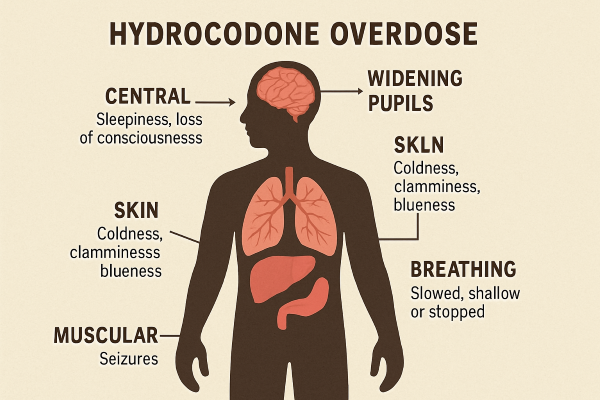
The most dangerous side effect is respiratory depression a slowing of the breath that can lead to fatal overdose. This risk increases significantly when opioids are combined with alcohol or benzos. In a monitored setting, clinicians can ensure your safety and provide immediate intervention if breathing becomes compromised.
Are there non-opioid alternatives for pain management?
Yes. Modern recovery services often utilize physical therapy, non-steroidal anti-inflammatory drugs (NSAIDs), and nerve blocks to manage pain without the risk of addiction. In a structured treatment environment, you will learn how to manage your physical discomfort using a variety of safe, evidence-based medical and holistic tools.