Addiction to substances can only be known by setting out very slowly and it may turn out to become a great obstacle to your life, though you would not even be aware of the onset of the same. However, whatever it may be, no matter whether it is that your beloved one is bringing to your family sooner or later or you are threatening yourself with something- that drug or alcohol and even prescriptions you know the symptoms can look different.
We have introduced the most common questions people ask when they want some evidence of substance use. These questions are presented as simple dialogues aimed at exploring consciousness, knowledge, and action.
What are the Early Warning Signs of Substance Use?
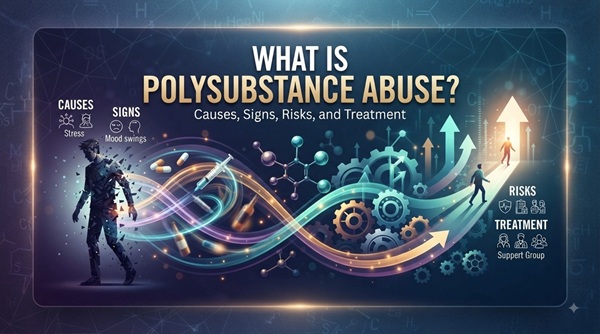
The early evidence of drug consumption is very easy to ignore or be deceived by stress, personality shift or even madness. There are some of red flags to look out:
- Behavioral changes: Deception, evasion or doing strange things and being irritable.
- Alteration in appearance: Brightening of eyesight, bloody nose or weight gain or loss.
- Impossibility to assume responsibilities: not reporting to work, family or school.
- New peer groups: Go with people who use substances or those who have already developed a history of substance use.
- Mood swings or paranoia: incredibly high emotions and then, consequently, extremely low or worried.
Once you observe cyclic repetitions of a single or several of these symptoms, it is time to utter one word to a friend or a doctor.
How Do You Know If It’s Addiction or Just Occasional Use?
The point is that one should learn the distinction between recreational use of drugs and addiction:
- Occasional: It is not common and it is normally social among friends and relatives and with no bad effect.
- Risky use: Begins to affect relations, jobs or psychological welfare.
- Addiction (Substance Use Disorder): It is a chronic, recurring disorder with symptoms that include compulsive substance seeking with resulting negative effects.
When one uses and goes on with it even though it has been having a bad impact on that person, either physically, mentally, or socially, one is most likely to experience substance use disorder as compared to an incidental use of the substance.
What Causes Someone to Start Using Drugs or Alcohol?
There is no one single cause that results in a person being dependent on substances. The common predisposing factors are:
- Genetics: The risk increases with the prevalence of the problem in the family.
- Mental condition or illness: Depression, anxiety or trauma, which may lead to self-medication.
- Social influence or peer pressure: This is mainly on young adults and teenagers.
- Life change stress or transitions: The US may start with loss of a job, divorce, or grief.
- Availability: Medications in the house or ready access to alcohol.
These deeply rooted causes should be addressed to offer effective and caring support.
What are the Physical Symptoms of Drug or Alcohol Use?
The question that many people want to know is, what does drug use look like? They can be heavy or light, depending on the substance, but some include:
- Expanded or contracted pupils
- Slurred speech
- Poor coordination
- Strange breath and clothes odors
- Regular nosebleeds or scar marks (resulting to an injection)
In other instances, an individual can lose weight without explanation, feel tired or develop an unusual appetite change.
What are the Emotional and Behavioral Symptoms?
Drug abuse is not only a matter of physical state; it also influences the emotions and behavior of an individual.
- Increased isolation
- Moodiness or depression
- Faking and deceiving other people
- Loss of hobbies
- Violence or a don’t-go attitude
Such emotional and behavioral changes usually become the most marked signs of something wrong.
When Should You Seek Help?
When you or a loved one is exhibiting more than a couple of these signs, you know that you have to do something about it. You do not have to wait till things become bad enough.
When:
- Drug abuse influences daily living
- There have been failed attempts to quit
- You have concerns over health matters, safety or legal concerns
- Deterioration in substance use is accompanied by mental health symptoms
- The sooner one is assisted, the more likely they will recover in the long term.
What Treatment Options are Available for Substance Use?
A general therapy can never be successful. Orlando Treatment Solutions makes available to you evidence-based programs that are customised to cater specifically to your needs. These are:
- Medical Detox: A monitored withdrawal process. Medical detox involves medically checked, safe withdrawal.
- Outpatient Courses and Intensive Outpatient Programs (IOP)
- Dual Diagnosis Treatment: Mental health costs Dual Diagnosis
- ICT and Group Therapy, CBT, and other research abilities
- The Relapse Prevention and Follow-up Planning
We also focus on life reconstructions through holistic services, trauma-based services and longer-term support.
How Can I Address Substance Use in Florida?
Orlando Treatment Solutions exists to provide you with compassionate, effective care in Florida if you are seeking it. We provide care that is supported by evidence to treat substance misuse and concomitant mental health issues, according to your individual needs.
Our staff members know how it takes courage to ask. We will support and guide you every step of the way, whether it is your first time trying or you are willing to give it a second chance.

Final Thoughts: Take the First Step Toward Recovery
Yes. Through proper treatment and a support system, recovery can be achieved. The recipients of the assistance turn out to be constructive, functional people who live a life without drugs.
Recovery can encompass a much deeper meaning than simply stopping abuse of drugs or alcohol, but it can also entail healing of the causes and creation of a more worthwhile life.
Disclaimer:
To ensure complete transparency and manage expectations, please be advised that we do not offer or provide Eye Movement Desensitization and Reprocessing (EMDR), Dialectical Behavior Therapy (DBT), or individual therapy services at Orlando Treatment Solutions.
Frequently Asked Questions
What are 5 warning signs of substance abuse?
Five key warning signs include sudden changes in mood or behavior, uncharacteristic isolation from family, unexplained financial difficulties, neglecting daily personal obligations, and noticeable changes in physical appearance or sleeping patterns.
What are the 8 behavioral warning signs of addiction?
Behavioral signs include secretive actions, sudden loss of interest in hobbies, aggressive mood swings, neglecting work responsibilities, risky physical behaviors, unexplained schedule changes, financial dishonesty, and isolating from loved ones.
What are the warning signs of problematic substance use and related behaviours?
Problematic use manifests through severe mood instability, defensive responses regarding personal habits, declining performance at work or school, physical health deterioration, broken personal relationships, and continued substance use despite clear consequences.
What are five signs that might indicate an employee’s substance abuse?
Key workplace indicators include frequent unscheduled absenteeism, sharp drops in work productivity, erratic mood swings or irritability, noticeable physical impairment or fatigue, and continuous failure to meet important job deadlines.
What are the 10 signs of addiction?
Common signs include high tolerance, physical withdrawal, loss of control, persistent cravings, neglecting personal duties, social isolation, financial strain, secretiveness, continued use despite harm, and failed attempts to quit.
What are the 12 signs of drug addiction?
Twelve indicators include cravings, increased tolerance, physical withdrawal, risky choices, neglecting duties, relationship conflicts, financial trouble, secretiveness, mood swings, changes in sleep, loss of control, and giving up hobbies.
What are the 3 C’s indicating addiction?
The 3 C’s defining addiction are Control (loss of control over use), Compulsion (an overwhelming mental obsession to use), and Consequences (continued substance consumption despite ongoing negative life consequences).
What are the 7 signs of addiction?
Seven core signs include increasing physical tolerance, distressing withdrawal symptoms, strong physical cravings, inability to cut back, spending excessive time obtaining substances, abandoning favorite activities, and experiencing personal life disruption.
What are the 11 symptoms of substance use disorder?
Clinical symptoms include taking larger amounts, failed attempts to stop, excessive time spent using, intense cravings, neglected obligations, social problems, abandoned activities, hazardous use, physical issues, tolerance, and withdrawal.