Understanding What is Considered a Controlled Substance
It may be confusing to learn what qualifies as a controlled substance, particularly in a situation where prescription drugs and common shop-in-the-market illegal drugs are subject to the same law. Contrarily, in plain terms, controlled substances are those drugs that fall under government regulations due to their abuse and dependency or harmful nature. Being able to understand the classification of such substances will make individuals make better-informed and responsible choices on medications and substances they might be exposed to in their daily activities.
What is Considered a Controlled Substance?
What is being discussed as a controlled substance is simply the term that describes any drug or chemical, the manufacture, possession, or use of which is controlled by the government. In the United States, such a system is regulated by the Drug Enforcement Administration (DEA) through the Controlled Substances Act (CSA).
Any substance can be classified in accordance with three main factors:
- Potential for misuse
- Accepted medical use
- Possibility of physical or mental addiction
The framework may be employed to equalize access to the required medications and avoid abuses and illicit sales. It is important to notice that the branding of a drug as a controlled drug and thus an unsafe one may not always be true. The majority of the controlled substances are being used under medical supervision and in a responsible manner daily.
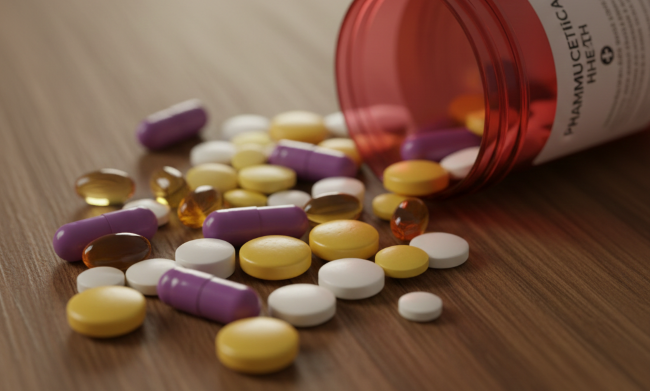
Controlled vs. Non-Controlled Substances
The most suitable means of understanding what could be considered a controlled substance is to contrast a controlled drug with a non-controlled one.
Controlled substances are rigorously controlled and monitored. The prescriptions may include refill limits, special storage, and heightened control. Some of the common ones include sleeping agents, stimulants, and sedatives, as well as painkillers—many of which are addressed in our prescription drug rehab program.
The non-controlled substances refer to the drugs that are not at a high risk of abuse in a case where someone uses the drug in its intended way. These cover the majority of the antibiotics, blood pressure drugs, and over-the-counter drugs, including acetaminophen or ibuprofen.
The point of difference is one of control and not of performance. Even a non-controlled drug could be strong and necessary; it just is not as dangerous to be abused in a normal situation.
100% Confidential Support is Available 24/7
No matter what you’re going through, you’re not alone. Our dedicated team is here to provide a safe, judgment-free space where you can talk openly and honestly. Whether you need emotional support, resources, or just someone to listen.
We’re here for you—completely confidential and always respectful of your privacy. Call us today!
The Drug Scheduling System, Explained Simply
One of the very elements of the concept of what is regarded as a controlled substance is the understanding of having the mechanism of the system of scheduling. Although the Controlled Substances Act formally identifies five schedules, other models of education extend these schedules to enhance a better understanding.
A brief summary is as follows:
- Schedule I – No accepted medical use, high potential of misuse.
- Schedule II – Accepted with strict medical use.
- Schedule III – Middle-level possible of misuse.
- Schedule IV – Low risk of abuse this includes medications like Ambien.
- Schedule V – Minimal level of control.
- Legend drugs – Pressureless non-prescription.
- Non-prescription drugs No prescriptions can be given.
This will ensure that responsible use of substances is available in the end where it is medically justified.
What to Know If You’re Prescribed a Controlled Substance
You would be able to understand your part in the safe use of a drug, and this is in case you are assigned a drug of a controlled substance.
Key guidelines include:
- Strictly follow instructions on dosage.
- It should not even be shared with family members.
- Store drugs locked up and away out of reach by children.
- Be aware of the limit of refilling and the time of expiry.
When under the prescribed prescriptions, controlled substances may be quite efficient and effective in their use. The regulation is intended to promote the safety not the ad hoc restriction. For those navigating this responsibly, our individualized addiction treatment offers tailored support.
Need help breaking free from Substance Abuse?
Contact Orlando Treatment Solutions
Why Some Everyday Medications are Controlled
It is surprising to discover that most of the things that we easily identify as medications are classified as controlled substances. Some anxiety drugs, tranquilizers, and stimulants are controlled since even minor variations in doses or frequency may pose a high dependency after some time.
This does not imply that this is a dangerous type of medicine when taken in moderation. Instead, they need an additional layer of responsibility in the name of the individual and the community at large. Many of these concerns intersect with conditions like anxiety or depression, which often co-occur with substance use.
When Regulation Protects More Than It Restricts
The intent as to what is deemed a controlled substance is usually mistaken.
Regulation exists to:
- Prevent unsafe use
- Minimize unlawful sale.
- Adequate consistency and dosing.
- Protect public health
Monitoring and classifying drugs helps law enforcement agencies address the trends of misuse to a better degree and at the same time retain access to the necessary medication by legitimate medical purposes.

Need Help Understanding Substance Use Concerns?
Provided that the problems connected to the so-called controlled substance are correlated with personal troubles, there may exist a significant distinction between personal and professional counseling. At Orlando Treatment Solutions, caring specialists would make people and their families see the issues surrounding substance problems and consider what to do next.
Call (321) 415-3213 now and talk with a person who can inform and give some confidential advice. When we make the first step in the direction of clarity, it can make all the difference.
Disclaimer
This blog is intended for educational and informational purposes only and does not replace professional medical, psychiatric, or legal advice. Always consult a qualified healthcare provider regarding diagnosis, treatment, or medication-related concerns.
FAQ’s
What is considered to be a controlled substance?
A controlled substance is any drug regulated by law due to its potential for misuse or dependence. These substances are categorized into schedules based on medical use and risk, and their distribution and possession are closely monitored. Learn more about how these interact with co-occurring disorders.
What are examples of a controlled drug?
Examples include opioids like oxycodone, stimulants such as amphetamines, sedatives like Xanax, and substances such as cocaine. Each is regulated differently depending on its classification and approved uses. For those struggling with benzodiazepines like Xanax, our benzo abuse rehab program provides specialized care.
What are the 7 categories of controlled substances?
They include Schedule I through V substances, plus prescription-only legend drugs and over-the-counter medications. This expanded framework helps distinguish between varying levels of regulation and access.
Is Ambien a controlled substance?
Yes, Ambien is classified as a Schedule IV controlled substance. It has recognized medical use but carries a lower risk of misuse compared to higher-schedule drugs, which is why it remains regulated.
What is a Schedule 5 controlled substance?
Schedule V substances have the lowest misuse potential among controlled drugs. They often contain limited amounts of certain narcotics and are commonly used for cough or digestive-related purposes.
Which sleeping pill is not a controlled substance?
Some sleep aids, such as melatonin or certain antihistamine-based products, are not controlled substances. These are typically available without a prescription and carry a lower risk of dependence. However, if sleep issues are tied to underlying mental health concerns, our mental health treatments may offer further support.