When you or someone you love has stopped taking a stimulant to get energy, to be alert, but now has to take it to feel normal, you should at least pay attention to that change, although it may have begun with an over-the-counter prescription.
Stimulant use disorder is a diagnosed disorder in which the use of stimulants like cocaine, methamphetamine, or prescription drugs like Adderall causes a significant level of impairment or distress. It develops as a result of excessive stimulation of the brain by the stimulants, and continued use becomes a habit which is difficult to quit until the body develops tolerance, dependency, and withdrawal symptoms.
Stimulants are diverse, and they include prescription drugs to treat ADHD and illegal substances like methamphetamine and cocaine. Regardless of the path taken by an individual, the process to dependence is likely to follow a similar path which is founded on the impact of these substances on the brain chemistry.
What Is Stimulant Use Disorder?
Stimulant use disorder is a diagnosable condition defined by a problematic pattern of stimulant use that leads to significant impairment or distress in daily life.
The DSM-5 outlines eleven criteria for diagnosis, covering areas like impaired control over use, social and occupational impairment, risky use, and physical signs like tolerance and withdrawal. A diagnosis generally requires at least two of these criteria within a 12-month period.
Concerned about stimulant use in yourself or a loved one? Call Orlando Treatment Solutions at (321) 415-3213.
What are Some Examples of Stimulants?
Stimulants include a wide range of substances, some prescribed for legitimate medical use and others used illicitly.
Category | Examples |
Prescription stimulants | Adderall, Ritalin, Vyvanse, Concerta |
Illicit stimulants | Cocaine, methamphetamine, crack cocaine |
Legal, everyday stimulants | Caffeine, nicotine |
Club or party stimulants | MDMA, which has strong stimulant properties alongside hallucinogenic effects |
While these substances differ significantly in legality and typical use, they generally share a common effect on the brain’s dopamine system, which is central to how stimulant use disorder develops.
Causes Of Stimulant Use Disorder
Causes of stimulant use disorder generally involve a combination of biological, psychological, and environmental factors that increase the likelihood of developing dependence.
Common contributing factors include:
- Brain chemistry: Repeated dopamine surges reinforce continued use
- Genetics: Family history of substance use disorders increases individual risk
- Mental health conditions: Co-occurring anxiety, depression, or ADHD often overlap with stimulant misuse
- Academic or performance pressure: Some people misuse prescription stimulants to study longer or work more
- Early exposure: Stimulant misuse that begins in adolescence increases the risk of long-term dependence
Research on stimulant use patterns shows that certain forms, including methamphetamine and polystimulant use, are associated with more severe disorder symptoms and higher rates of psychological distress compared to other patterns of use.
100% Confidential Support is Available 24/7
No matter what you’re going through, you’re not alone. Our dedicated team is here to provide a safe, judgment-free space where you can talk openly and honestly. Whether you need emotional support, resources, or just someone to listen.
We’re here for you—completely confidential and always respectful of your privacy. Call us today!
How Do Stimulants Work?
Stimulants work by increasing the activity of certain neurotransmitters in the brain, particularly dopamine, which affects alertness, energy, and mood.
Depending on the specific substance, stimulants may
- Trigger the release of dopamine and other neurotransmitters from brain cells
- Block the reabsorption of dopamine, prolonging its effects
- Increase activity in the central nervous system, boosting alertness and energy
- Suppress appetite and increase heart rate and blood pressure
This surge in dopamine is central to why stimulants feel rewarding and why repeated use can quickly reinforce a pattern of continued use.
Fact: Even low doses of stimulants can raise heart rate and blood pressure enough to pose serious health risks.
How Do Stimulants Affect the Body?
Stimulants affect nearly every major system in the body, not just the brain, producing both short-term effects and longer-term health risks with continued use.
Short-term effects:
- Increased heart rate and blood pressure
- Elevated body temperature
- Decreased appetite
- Increased alertness and physical activity
- Irregular heartbeat
Long-term effects:
- Cardiovascular strain and increased risk of heart problems
- Significant weight loss
- Sleep disruption
- Weakened immune function
- Increased risk of stroke or seizure with heavy use
Clinical research on stimulant use disorder notes that prolonged exposure to substances like cocaine or methamphetamine can produce neurotoxic effects, impairing memory, learning, and other cognitive functions, with some studies suggesting these changes may persist even after use stops.
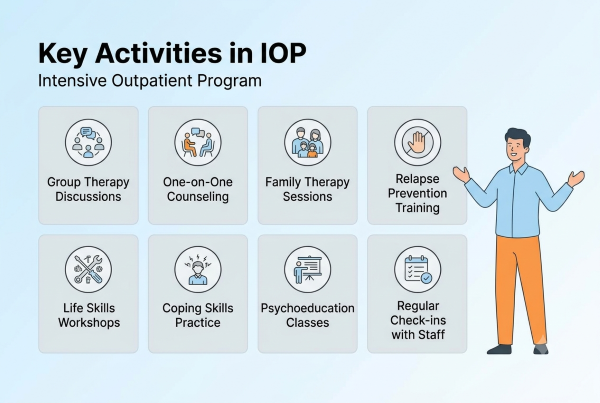
Want a clear number before committing to treatment? Orlando Treatment Solutions verifies your IOP benefits at no cost.
Symptoms Of Stimulant Use Disorder
Symptoms of stimulant use disorder reflect the DSM-5 criteria used for diagnosis, spanning behavioral, psychological, and physical patterns.
Common symptoms include:
- Taking stimulants in larger amounts or for longer than intended
- Persistent desire or repeated unsuccessful attempts to cut back
- Spending significant time obtaining, using, or recovering from stimulant use
- Cravings for the substance
- Continuing use despite social, occupational, or health problems it causes
- Giving up important activities in favor of using
- Tolerance, needing more of the substance to achieve the same effect
- Withdrawal symptoms when not using
What Happens If You Take Too Many Stimulants?
Taking too many stimulants can lead to overdose, a potentially life-threatening medical emergency requiring immediate attention.
Signs of stimulant overdose can include:
- Dangerously elevated heart rate or blood pressure
- Chest pain
- Seizures
- Extreme agitation or paranoia
- Hyperthermia, or dangerously high body temperature
- Loss of consciousness
Because stimulant overdose can escalate quickly and involve cardiovascular complications, emergency medical care should be sought immediately if an overdose is suspected.
Expert Advice: Seek emergency care immediately for chest pain, seizures, or loss of consciousness during stimulant use.
Stimulant Withdrawal Symptoms
Stimulant withdrawal symptoms typically emerge as the drug’s effects wear off, and while rarely medically dangerous, they can be intensely uncomfortable and difficult to push through without support.
Common withdrawal symptoms include:
- Significant fatigue and decreased energy
- Increased appetite
- Depression or loss of motivation
- Anxiety or agitation
- Insomnia or disrupted sleep
- Intense cravings
Research on stimulant withdrawal notes that symptoms can last anywhere from days to months depending on frequency and dosage of prior use, and that the risk of relapse remains high without intensive medical and psychological support during this period.
Stimulant Use Disorder Treatment Options
Stimulant use disorder treatment typically combines behavioral therapy with medical support, since no medication is currently FDA-approved specifically to treat stimulant addiction itself.
Effective treatment approaches include:
- Cognitive behavioral therapy: Addressing the thought patterns and triggers behind stimulant use
- Contingency management: Using structured incentives to reinforce abstinence
- Medical detox: Managing withdrawal symptoms safely, especially for heavier patterns of use
- Dual diagnosis care: Treating co-occurring mental health conditions alongside stimulant use disorder
- Support groups: Peer accountability throughout the recovery process
- Aftercare planning: Ongoing support to reduce relapse risk after treatment
Orlando Treatment Solutions: Outpatient Care for Stimulant Use
Stimulant use can grow bigger than one person can manage alone. Orlando Treatment Solutions offers evidence-based outpatient care to support you or a loved one through recovery.
Our team works with individuals facing stimulant use disorder alongside co-occurring mental health conditions, building treatment plans around the whole person, not just one substance.
Reach out at (321) 415-3213 or through our contact page to talk through what support could look like for you or your family.
References
- Thoroughbred Behavioral Health. “What is the Average IOP Program Cost in 2026?” February 2026. https://thoroughbredbhc.com/blog/iop-program-cost/
- Medicare. “Intensive Outpatient Program Services (IOP).” May 2026. https://medicare.fcso.com/billing/intensive-outpatient-program-iop-billing-requirements-institutional-services
- Recovery Team. “IOP Cost With Insurance | Intensive Outpatient Program Pricing & Coverage.” January 2026. https://www.recoveryteam.org/substance-use/addiction-treatment/cost-of-intensive-outpatient-programs-iops-with-insurance/
- Bold Steps Behavioral Health. “IOP Cost With & Without Insurance.” April 2026. https://boldstepsbh.com/programs/intensive-outpatient-program/cost/
- Southern Live Oak Wellness. “How Much Does IOP Cost? Pricing, Insurance & Options.” April 2026. https://southernliveoakwellness.com/how-much-does-iop-cost/
- Center for Health Care Strategies. “Expanded Medicare Coverage of Intensive Outpatient Services: Considerations for States.” September 2025. https://www.chcs.org/resource/expanded-medicare-coverage-of-intensive-outpatient-services-considerations-for-states/
- Medicare. “Intensive Outpatient Program Services Coverage.” https://www.medicare.gov/coverage/mental-health-care-intensive-outpatient-program-services
- Addiction Resource Center LLC. “Intensive Outpatient Program Cost: A 2026 Guide.” https://sayarc.com/learning-center/intensive-outpatient-program-cost/
- California Prime Recovery. “How Much Does IOP Cost With Insurance? Coverage & Costs.” April 2026. https://californiaprimerecovery.com/does-insurance-cover-iop-mental-health/
- MindSpace Recovery Center. “IOP Costs in California: What You’ll Pay in 2026.” April 2026. https://mindspacerc.com/iop-costs-california/
About the Author:
Dr. Zach Miller is the Chief Clinical Officer and Co-Founder of Orlando Treatment Solutions, where he champions holistic, evidence-based approaches to sustainable recovery and mental well-being. Holding credentials as a Ph.D., LMHC, MCAP, and CRRA, he provides expert clinical oversight to ensure all content and resources effectively guide individuals through every stage of their post-treatment journey.
Medical Disclaimer:
This content is for informational purposes only and does not constitute medical advice or a clinical recommendation. For a personalized assessment, please consult a licensed mental health professional. To learn more about evidence-based mental health and addiction treatment in Florida, visit orlandotreatmentsolutions.com or call (321) 415-3213.
FAQs
Q: Will my insurance cover IOP if I haven’t tried outpatient therapy first?
It depends on your specific insurance plan. Some insurers require individuals to try lower levels of care before approving Intensive Outpatient Programs (IOP), while others approve treatment based solely on medical necessity. An insurance coordinator can review your benefits and explain your plan’s requirements.
Q: What if my deductible is very high?
If you have a high deductible that has not been met, you may pay more out of pocket until your deductible is satisfied. Afterward, insurance typically covers a larger portion of treatment costs. Many IOP programs offer payment plans or financial assistance to help manage expenses.
Q: Can I use my HSA or FSA for IOP costs?
Yes. Health Savings Accounts (HSAs) and Flexible Spending Accounts (FSAs) can generally be used to pay for eligible healthcare expenses, including Intensive Outpatient Program services. Check with your treatment provider and account administrator to confirm which services qualify and how payments can be made.
Q: What if the IOP program isn’t in my insurance network?
You may still be able to attend the program, but out-of-network benefits often result in higher out-of-pocket costs or reduced coverage. Before enrolling, ask the program and your insurance company for an estimate of expenses and information about available reimbursement options.
Q: How long do I need to wait for insurance approval?
Prior authorization timelines vary by insurance company but typically take several business days. Some requests are approved more quickly, especially when treatment is urgent. Your treatment provider can often help expedite the process and keep you informed about the status of your authorization.
Q: Can I switch IOP programs if my insurance coverage changes?
Yes. If your insurance changes or your current program is no longer covered, you may transfer to another provider. Insurance coordinators and treatment teams can help identify in-network options and coordinate the transition to ensure your care continues with minimal disruption.
Q: What if insurance approves a shorter program than I clinically need?
If your treatment team believes additional care is medically necessary, they can request an extension or file an appeal. Supporting documentation explaining your progress and ongoing needs may help secure additional coverage and ensure you receive the appropriate length of treatment.
Q: Does insurance cover IOP for mental health conditions?
Yes. Many insurance plans cover Intensive Outpatient Programs for mental health conditions such as depression, anxiety, bipolar disorder, PTSD, and other behavioral health concerns. Coverage requirements and authorization processes are generally similar to those used for substance use treatment services.
Q: Will my employer know I’m using insurance for IOP?
No. Health insurance information is generally protected by privacy laws. Employers typically do not receive details about diagnoses, treatment plans, or specific healthcare services. They may only see limited information if they administer certain benefits, but your medical information remains confidential.
Q: What if I can’t afford the out-of-pocket cost even with insurance?
Many treatment programs offer financial assistance options, including payment plans, sliding-scale fees, and scholarship programs. If cost is a concern, discuss your situation with the admissions or financial team. Financial challenges should not prevent you from exploring treatment and available support resources.