In This Blog
- Defining Stimulants vs. Depressants
- The Biphasic Effect: Why Alcohol Feels Stimulating
- Alcohol’s Impact on Brain Neurochemistry
- Physical and Psychological Risks of Consumption
- The Importance of a Monitored Setting for Detox
- How Recovery Services Address Alcohol Use Disorder
- Long-Term Cognitive Restoration and Wellness
Alcohol is among the most commonly consumed drugs in the world, although there are still serious misunderstandings about the classification of the substance. When individuals start out on a drinking spree they have a surge of energy, a boost in sociability, and a feeling of euphoria. Such feelings make many people pose a question: Is alcohol a stimulant? Alcohol is a central nervous system (CNS) depressant though it might cause stimulant-like effects at the early consumption stages.
The misconception is as a result of the way the body treats ethanol. Alcohol is known by researchers to have a biphasic effect which is the existence of two stages of reaction that occur with varying levels of blood alcohol content (BAC). During the initial stage, the brain undergoes an immediate release of dopamine and a loss of inhibitions that resembles the action of a stimulant as a result of increasing BAC. But when one consumes this substance extensively and the BAC reaches the highest point or starts to fall, the real sedative effect of the substance takes effect.
The difference between the two is essential to any person interested in their drinking or that of someone they love. The first buzz can contribute to the overconsumption cycle when the consumer attempts to pursue the stimulant phase and the body is in fact, being retarded by the depressant phase.
Expert Advice: Consistent professional oversight is the safest way to navigate the transition from alcohol dependence to long-term sobriety.
Defining Stimulants vs. Depressants
To answer “Is alcohol a stimulant?” accurately, we must first define the two categories of substances.
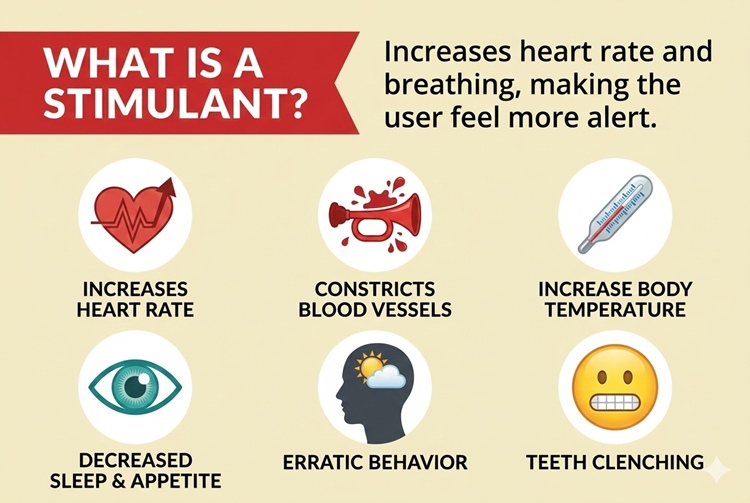
Stimulants are substances that increase activity in the central nervous system. They speed up the heart rate, increase blood pressure, and boost alertness and energy. Common examples include caffeine, nicotine, and prescription medications for ADHD.
Depressants, on the other hand, slow down CNS activity. They enhance the effects of GABA (gamma-aminobutyric acid), a neurotransmitter that inhibits brain activity, leading to feelings of relaxation, drowsiness, and slowed coordination. Alcohol belongs firmly in this category.
The reason alcohol is often misidentified is that it initially suppresses the “brakes” of the brain—the parts responsible for judgment and social anxiety. When these inhibitory centers are depressed, the person feels more active and uninhibited, creating the illusion of stimulation. However, the physiological reality is that the brain is being progressively slowed down.
100% Confidential Support is Available 24/7
No matter what you’re going through, you’re not alone. Our dedicated team is here to provide a safe, judgment-free space where you can talk openly and honestly. Whether you need emotional support, resources, or just someone to listen.
We’re here for you—completely confidential and always respectful of your privacy. Call us today!
The Biphasic Effect: Why Alcohol Feels Stimulating
The “Is alcohol a stimulant?” The question is best explained by the biphasic effect. This phenomenon describes the two-part reaction the body has to alcohol.
Phase One: The Rise (Stimulant-Like)
As you begin to drink, your blood alcohol level rises. During this “ascending limb” of the blood alcohol curve, the brain releases dopamine in the reward center. This leads to feelings of excitement, talkativeness, and decreased social anxiety. Because you feel more energetic and “up,” it is easy to assume the substance is a stimulant.
Phase Two: The Fall (Depressant Reality)
Once your BAC reaches a certain point (typically around 0.05%), or as you stop drinking and the BAC begins to fall, the sedative effects become dominant. This is when the classic depressant symptoms appear:
- Slurred speech
- Slowed reaction times
- Blurred vision
- Drowsiness and fatigue
This transition is why many people feel “tired” or “down” a few hours after their last drink. If an individual continues to drink to regain the “high” of phase one, they risk severe CNS depression, which can lead to alcohol poisoning or respiratory failure. This dangerous cycle is why supervised support is often necessary for those who find themselves unable to stop once they start.
Alcohol’s Impact on Brain Neurochemistry
To truly understand how alcohol affect the brain, we have to look at how it interacts with neurotransmitters. Alcohol primarily affects two chemicals: GABA and Glutamate.
GABA (The “Brakes”): Alcohol increases the activity of GABA. When GABA is highly active, it slows down communication between neurons. This results in the calm, sedative feeling associated with drinking.
Glutamate (The “Gas”): Alcohol inhibits glutamate, which is responsible for exciting the brain. By suppressing the “gas,” alcohol further slows down brain function.
Over time, if a person drinks heavily, the brain tries to compensate for this constant suppression by becoming hyper-excitable. This is why quitting “cold turkey” is so dangerous. Without alcohol’s sedative presence, the brain becomes overactive, leading to the risk of seizures and delirium tremens. This physiological reality is why a monitored setting is the clinical gold standard for detox.
FACT: Alcohol-related motor vehicle accidents often occur during the “depressant phase” when a driver’s reaction time and depth perception are severely compromised.
Physical and Psychological Risks of Consumption
While the initial phase might feel pleasant, the long-term depressant effects of alcohol have profound impacts on the body and mind. Chronic use disrupts nearly every organ system and can lead to lasting psychological distress.
Physical Consequences
- Liver Damage: The liver is responsible for metabolizing ethanol. Chronic use leads to fatty liver, hepatitis, and eventually cirrhosis.
- Cardiovascular Issues: Alcohol can cause high blood pressure, irregular heartbeat (arrhythmia), and weakened heart muscles.
- Immune Suppression: Alcohol weakens the immune system, making the body more susceptible to diseases like pneumonia and tuberculosis.
- Psychological Consequences: Because alcohol is a CNS depressant, it can exacerbate or even cause symptoms of depression and anxiety. Many people use alcohol to “numb” their feelings, but once the substance leaves the system, the rebound effect often leaves them feeling more anxious or depressed than before. This “vicious cycle” is a primary focus of recovery services.
The Importance of a Monitored Setting for Detox
For individuals who have developed a physical dependence on alcohol, the transition to sobriety is not merely a matter of willpower. Because of the neurochemical shifts mentioned earlier, the body can go into a state of shock when alcohol is removed.
A monitored setting provides the clinical framework necessary to manage withdrawal safely. In these environments, medical professionals provide professional oversight to ensure that vital signs remain stable. They can administer medications to prevent seizures and manage the intense discomfort of withdrawal, which significantly reduces the risk of relapse during the most vulnerable first few days.
Level of Risk | Symptom | Required Setting |
Low | Mild tremors, anxiety | Outpatient with Oversight |
Moderate | Heavy sweating, insomnia | Structured Care Facility |
High | Seizures, Hallucinations | Monitored Setting / Hospital |
Orlando Treatment Solutions offers these essential services for those ready to begin their journey
How Recovery Services Address Alcohol Use Disorder
Quitting the substance is only the first step. Long-term wellness requires a structured care plan that addresses the underlying reasons for use. Recovery services typically include a combination of several therapeutic modalities:
- Cognitive Behavioral Therapy (CBT): Helping individuals identify the thoughts and triggers that lead to drinking and replacing them with healthy coping mechanisms.
- Group Therapy: Providing a sense of community and reducing the isolation that often accompanies addiction.
- Family Counseling: Repairing relationships that may have been damaged by alcohol use and creating a supportive home environment.
- Dual Diagnosis Care: Addressing co-occurring mental health issues like depression or PTSD alongside the addiction.
In a professional treatment environment, individuals are given the tools they need to navigate social situations and stress without relying on a substance to “take the edge off.”

Long-Term Cognitive Restoration and Wellness
The good news is that the brain is incredibly resilient. Once alcohol is removed and the individual engages in long-term supervised support, the brain begins to repair itself. Cognitive functions like memory, focus, and emotional regulation begin to return.
Wellness is a holistic journey. It involves restoring physical health through nutrition and exercise, rebuilding social connections, and finding purpose in a substance-free life. Consistent professional oversight during the first year of sobriety is statistically proven to increase the likelihood of success.
Orlando Treatment Solutions provides accessible, high-quality recovery services and professional oversight for individuals navigating the complexities of alcohol cessation. Our approach emphasizes a structured treatment environment that prioritizes both physical safety and psychological healing. By offering supervised support in a safe, monitored setting, we empower our clients to break the cycle of dependence and move toward a vibrant, healthy future. We believe that with the right framework of care, long-term recovery is possible for everyone.
Key Takeaways
- Alcohol is a central nervous system depressant, not a stimulant.
- The “biphasic effect” causes temporary stimulant-like sensations as blood alcohol levels rise.
- Chronic use leads to significant neurochemical imbalances that make quitting dangerous without help.
- Professional oversight in a monitored setting is essential for a safe detox process.
- Structured care programs address the root causes of addiction for long-term success.
- The brain has the capacity to heal significantly once alcohol consumption stops.
FAQs
Why do I feel more energetic after one or two drinks?
This is due to the rising blood alcohol concentration (BAC) which triggers a release of dopamine and lowers inhibitions. This “stimulant-like” phase is temporary and disappears as the BAC peaks or begins to drop, revealing alcohol’s true depressant effects.
Is it safe to quit drinking on my own?
For those with a physical dependence, quitting “cold turkey” can be life-threatening due to risks like seizures. It is highly recommended to seek a monitored setting where you can receive professional oversight during the detoxification process.
Can alcohol cause permanent brain damage?
While chronic heavy drinking can lead to conditions like Wernicke-Korsakoff syndrome, many cognitive functions can recover significantly with long-term abstinence and proper medical and nutritional support.
How does a structured care program help prevent relapse?
A structured care program provides the routine, accountability, and coping skills necessary to handle triggers. By staying in a treatment environment during early recovery, you are shielded from many of the stressors that often lead back to use.
What is the “rebound effect” after drinking?
As the depressant effects of alcohol wear off, the brain becomes hyper-active to compensate for the previous suppression. This often results in increased anxiety, tremors, and a “racing” heart the next day, which are early signs of withdrawal.