

In This Blog:
- Identifying unique mental health symptoms in men
- The impact of social stigma on seeking help
- Common conditions affecting the male population
- Strategies for establishing healthy coping mechanisms
- The importance of professional recovery services
Mental health represents an essential part of physical fitness, and most men are forced to conceal their problems. This pressure is usually as a result of social norms that are historical and which place masculinity as synonymous with emotional restraint and physical prowess. When men are ashamed of showing weakness, they can lock their distress in themselves and build a silent crisis, which impacts their relations and life quality.
The stigma attached to such conversations needs to be broken in order to believe that every person in these conversations should have the empowerment to seek help. We can make the world a better place to live in by acknowledging that mental health issues are health problems and not character weaknesses. This resource will delve into how men are affected psychologically in a unique way, and the systematic avenues that can be taken when one is willing to embark on the process of restoring their wellness, including having a men’s mental health retreat.
Expert Advice: A specialist support system provides the necessary instruments to cope with complicated mental illnesses.
100% Confidential Support is Available 24/7
No matter what you’re going through, you’re not alone. Our dedicated team is here to provide a safe, judgment-free space where you can talk openly and honestly. Whether you need emotional support, resources, or just someone to listen.
We’re here for you—completely confidential and always respectful of your privacy. Call us today!
Recognizing Symptoms in Men
The symptoms may be similar in both men and women, but the manifestations are usually quite different. Men tend to report physical symptoms such as accelerated heart rate, digestive problems or persistent headaches as compared to sadness.
Such physical indicators frequently tend to be the physical means by which the body is trying to convey psychological pain that has not been dealt with. The awareness of these signs as one of the mental health issues is a key to locating the appropriate, monitored environment.
The Impact of Social Stigma
Social stigma is one of the most significant obstacles to ensuring that men seek professional care to treat their mental illness. There is a lot of fear of being seen as weak or unable to cope with the situations, should one admit that they are facing anxiety or depression.
This fear may make a person isolated and thus the symptoms appear even more severe and uncontrollable. The only solution to this obstacle is to change the attitude that the process of seeking help is a brave act towards self-improvement.
Barrier to Care | Potential Consequence |
Emotional Stoicism | Delayed identification of serious psychological concerns |
Fear of Judgment | Increased risk of social withdrawal and isolation |
Self-Medication | Potential development of substance use dependencies |
Lack of Communication | Strained personal and professional relationships |
Transitioning to Supervised Support
Within a supervised environment, they are able to experiment with their feelings with the apprehension of judgment. This atmosphere gives a secure zone to break the negative stereotypes and concentrate on the true emotional healing and stability.
FACT: Mental health issues can affect men and women.
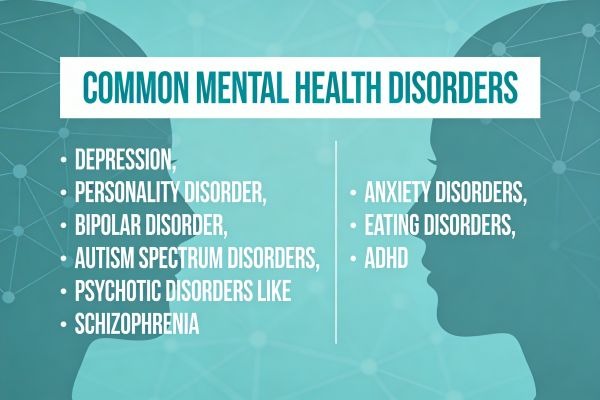
Common Mental Health Conditions
Men are also prone to depression and anxiety which can be expressed through irritability or anger instead of the classic sadness. These acting out behaviors are able to conceal the pain that is being experienced, and the loved ones might find it hard to support them.
Along with this, men are less likely than women to have received mental health services within the previous year. This gap explains the urgent necessity of available recovery services which would address the unique needs and communication style of men.
Depression and Irritability
In men, depression is usually manifested through lack of interest in working or in activities, that previously gave them pleasure. A man may not be weepy, but rather he gets even more agitated by minor inconveniences or he may end up throwing his temper at the family members.
Such changes of mood are critical signifiers that the person might be experiencing a health issue within him or her. These symptoms can be explained and the required stabilization and coping tools can be offered through the assistance of a professional treatment environment.
Signs of Distress in Men
- Physical Pain: Headaches, backaches that have no obvious cause or digestive issues.
- Escapism: The waste of a lot of time in work place or sports, to escape a feeling.
- Anger: Experiences more irritability, hostility or short temper in everyday life.
- Risk-Taking: Participating in careless activity, e.g., intoxicated driving or drug abuse.
Substance Use as a Coping Tool
Men are unable to talk about their mental health, thus resorting to substances as a coping mechanism. Such self-medication may result in a two-fold diagnosis, in which a mental and a substance issue need to be treated.
These co-morbid problems should be treated in an organized manner by employing integrated recovery services. The only solution to long-term freedom being free of dependency is to address the issue that caused the distress.
Developing Healthy Coping Skills
One of the pillars of professional supervision is learning new tactics of handling stress and emotion. This may include finding triggers and substituting unhealthy, unsustainable behaviors with healthy ones that facilitate emotional stability and physical well-being.
Organized support offers a platform on which the changes can be practiced by men in a non-threatening setting. Through this, a foundation for a healthier lifestyle can be established, which can be sustained even after leaving care.
Strategies for Emotional Resilience
- Open Dialogue: Being open and having honest discussions with regarded colleagues or specialists.
- Mindfulness: The application of mechanisms to remain grounded when faced with high levels of stress.
- Physical Activity: Exercising is a natural method of improving mood and relieving tension.
- Routine Building: It involves building habits that bring a feeling of order and purpose in everyday life.

The Path to Recovery Services
Accessing the services provided by the recovery is an active process of restoring life and health. There are several types of interventions provided by these services, including one-on-one sessions and group services, which promote a feeling of brotherhood and experience.
Continuity of care will make sure that the person will have someone to support him/her as he/she gets back on his/her daily duties. This is an extended strategy that is critical to avoiding the reversion to the old ways and continuing wellness.
Speak to Orlando Treatment Solutions (321) 415-3213 in order to discuss the possibilities of the supervised support.
The decision to make mental health a priority is a strong one as it will not only give the individual a boost but also the family. Most of them discover that they can become better partners, fathers and colleagues in an environment of treatment.
The attention is paid to creating a health-conscious and transparent future instead of the one characterized by silence and hardship. Under professional guidance, the process of mental wellness becomes an obvious and attainable goal of every man who is willing to make the first step.
Medical Disclaimer: This article is for informational purposes only and is not a substitute for professional medical advice.
Struggling to regain balance? Contact Orlando Treatment Solutions for confidential help.
Key Takeaways
- Men often experience mental health symptoms differently, frequently reporting physical pain or irritability.
- Social stigma and expectations of stoicism can prevent men from seeking necessary professional oversight.
- Depression and anxiety in men are often masked by “acting out” behaviors or escapism.
- Substance use is a common, yet harmful, coping mechanism for men facing unaddressed mental distress.
Professional recovery services provide a structured and safe environment for men to build lasting emotional resilience.
FAQs
How do I know if my irritability is depression?
If your anger or frustration is persistent and interferes with your daily life, it may be a symptom of depression. A professional support environment can provide an assessment to help you understand the root of these feelings. Addressing these symptoms early is key to preventing them from worsening over time.
Why is it harder for men to seek help?
Many men feel that admitting to a mental health concern contradicts social expectations of strength and independence. This can make the idea of entering a treatment environment feel overwhelming or embarrassing. Overcoming this stigma involves recognizing that taking care of your health is a sign of true strength.
Can physical pain be related to mental health?
Yes, psychological distress often manifests as physical symptoms like chronic headaches or digestive issues. This is because the mind and body are deeply connected, and internal stress can cause physical strain. Professional oversight ensures that both the physical and emotional aspects of your health are addressed simultaneously.
What should I do if a loved one refuses help?
Start by having a non-judgmental conversation about your concerns and offer to help them find resources. Sometimes, hearing that their behavior is impacting those they love can encourage them to consider recovery services. It is important to approach the topic with empathy and a focus on their well-being.
Is recovery faster for men than for women?
The timeline for wellness is unique to every individual and depends on the severity of their symptoms and history. There is no set timeframe, but a monitored setting provides the most consistent path toward stability. Consistency and engagement with professional services are the most important factors for long-term health.