
In This Blog:
- The biological reasons for the withdrawal of certain substances.
- Normal physical and psychological symptoms.
- Duration and time of detoxing.
- Risks of uncontrolled withdrawals
- Professional safe routes of stabilization.
Withdrawal is an intricate process, both physiological and psychological and occurs in the case when the substance addict has reduced significantly or has stopped his/her intake of the substance.
This is explained by the fact that the brain and the body has got used to the constant availability of the substance so that it can function.
The prevention of withdrawal symptoms at their early stages is a significant component of the recovery process, as the intensity of such reactions may vary depending on the substance used along with the time period during which the individual engages in the activity.
The change requires a serious understanding of the restoration of the body chemistry upon the removal of the substance in the body.
A lack of a controlled environment increases difficulty and possibly the health risk too which can lead to a setback.
This guide explores the science of withdrawal and the need to create a safe and stable space to heal under the guidance of a professional.
Expert Advice: A professional support environment offers essential tools for managing complex mental health conditions.
The Causes of Withdrawal
The primary cause of withdrawal is the development of physical dependency that will result when the thing is used frequently and the brain reward system is altered.
The body begins to get addicted to the substance with time to supply a certain amount of neurotransmitters like dopamine.
The sudden deprivation of the same substance is sufficient to lead the nervous system to hyper-excitability that cannot run without its chemical support.
It is the biological crash due to which the multiple symptoms of physical and emotional distress, i.e. so-called withdrawal, take place.
Common Physical Symptoms
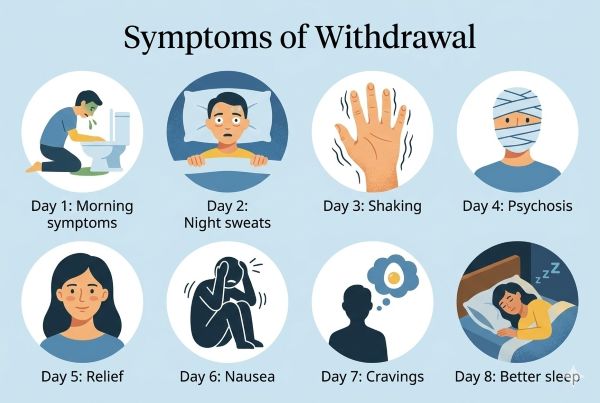
Physical symptoms can range from mild discomfort to severe health issues depending on the substance involved.
Alterations in heart rate, nausea, and aches in the muscles are amongst some of the symptoms that most people develop, which resemble flu-like symptoms.
In more severe forms, withdrawal may result in dangerous circumstances such as seizure or too much dehydration.
A monitored environment is a dire need which would enable one to monitor these vital signs and offer medical care when it is important.
FACT: Withdrawal is the body’s natural attempt to restore internal balance.
Symptom Category | Common Indicators |
Physical Distress | Nausea, vomiting, tremors, or heavy sweating |
Vital Sign Changes | Increased heart rate or blood pressure fluctuations |
Neurological | Seizures, headaches, or extreme sensitivity to light/sound |
General Fatigue | Insomnia or profound physical exhaustion |
Transitioning to Supervised Support
Under a controlled environment, the focus is on solving the physical pain and bringing the individual to a medical balance.
This kind of environment provides the possibility of receiving constant professional guidance that is needed to head over the most challenging physical phases of a transition.
Psychological and Emotional Impact
The event of withdrawal is never just physical as the effects also hamper emotional stability.
Individuals sometimes struggle with anxiety, irritability and even a deep depression as their brain chemistry tries to reset.
These emotional differences are sometimes hard to overcome just as the physical pain which makes an individual hopeless.
Professional recovery service involves a therapeutic intervention to assist the affected to deal with such feelings safely and in an organized manner.
Seeking help from Orlando Treatment Solutions provides essential guidance.
The Timeline of Withdrawal
The withdrawal process can vary, depending on the half-life of the substance under consideration and the person’s metabolism.
Some of the withdrawal symptoms can be encountered a few hours after administration of the last dosage and others peak after a few days.
The most acute symptoms may fizzle out in a week or so but the others experience long-lived low key symptoms which are known as the post acute withdrawal.
It takes time to live with the guidance of a professional on how to contain these lasting effects and not to fall into her/his former ways.
Factors Influencing Duration
- Substance Type: The specific chemical makeup of the drug being used.
- Frequency of Usage: How often and how much of the substance was consumed.
- Body Chemistry: Individual factors like age, weight, and organ health.
- Method of Use: Whether the substance was ingested, inhaled, or injected.
Risks of Unmonitored Detox
Attempting to go through the withdrawal process without any medical supervision often called “cold turkey,” may be life-threatening to the human body.
Part of them may be life-threatening biologically if the body is not professionally and gradually stabilized.
The treatment environment offers a safety net, that can’t be provided at home.
Evidence-based tools can be used by medical workers to reduce the severity of the symptoms and make the process as comfortable as possible.
Professional Treatment Options
The recovery services provide several interventions, which are directed at supporting the body in the whole process of withdrawal.
This involves supervised management for physical symptoms and therapy of the mental causes of dependency.
Choosing a professional path, individuals can have a support team for their overall well-being.
Such a collaborative approach gives a massive opportunity to improve the chances of a lasting and healthy healing.
Components of Professional Care
- Assessment: Detailed assessment of medical history, current symptoms.
- Stabilization: This is the act of providing medical tools to enable the maintenance of a patient in a comfortable and secure manner.
- Education: Learning the science of how things influence the brain.
- Aftercare: Planning for continued health after the initial detox phase.
The Role of Integrated Support
True healing is more than just the initial withdrawal.
The advantages of the integrated recovery services is that it offers the people an opportunity of restoring their life by working simultaneously on social, physical and mental health.
The continuation of the care will ensure that once the individual gets out of the first wave of the crisis, they can have something to rely on to manage their health even in the long term.
New, fulfilling life may be granted with proper resources, and individuals can break out of dependency.
To explore options for supervised support, contact Orlando Treatment Solutions

Moving Toward a Healthier Future
Awareness about how you need someone to help you get things off will be a giant stride on reclaiming your life.
The majority of people concentrate on their health without having concerns over their daily life when their health is given priority in a systematized environment of structured support.
The focus remains all about long-term stability through evidence-based practice and caring.
The withdrawal issues may be solved with a professional approach and assistance in a harmless manner that will secure a brighter and safer future.
Medical Disclaimer: This blog is for informational purposes only and is not a substitute for professional medical advice.
Key Takeaways
- Withdrawal is the body’s reaction to the absence of a substance it has become dependent on.
- Symptoms can include physical pain, heart rate changes, and emotional instability.
- The duration of the process depends on the substance type and individual health factors.
- Unmonitored withdrawal can be dangerous and is not recommended by medical professionals.
- Professional recovery services provide the necessary safety and tools for a stable transition.
FAQs
Why does withdrawal make me feel so sick?
Your body has adjusted its chemistry to include the substance to function normally. When you stop, your nervous system experiences a shock as it tries to restore its natural balance. This internal struggle is what causes the various physical and emotional withdrawal symptoms.
Can I manage withdrawal at home safely?
Attempting to detox without professional oversight is often dangerous due to potential health complications. A treatment environment ensures you have access to medical intervention if symptoms become severe. This supervised support is the safest way to ensure a successful transition to health.
How long will the worst symptoms last?
The most acute physical symptoms usually peak within the first few days and subside within a week. However, some emotional and low-level physical effects can linger longer depending on your history. Professional recovery services help you manage every phase of this timeline.
Are there medications to help with withdrawal?
Yes, in a monitored setting, medical professionals may use certain tools to reduce discomfort and manage symptoms safely. These are administered under strict professional oversight to ensure they are used effectively. This approach makes the process much more manageable and safe.
What happens after the withdrawal period ends?
Detox is only the first step; long-term health requires addressing the reasons behind the substance use. Recovery services offer therapy and aftercare planning to help you build a new, stable lifestyle. This continued support is essential for maintaining the progress you’ve made.