
In This Blog
- Learning Cocaine Metabolism.
- Detection Windows by Test type
- Influencing Factors of Clearance Rates.
- The Role of Benzoylecgonine
- Importance of Monitored Settings
- Navigating the way to Wellness
Cocaine is a strong stimulant that influences the central nervous system in a strong manner which causes an intense sense of euphoria and alertness only for a temporary period of time.
Due to its extreme potential to be physically and psychologically addictive, inquiries like the amount of time it will be kept in the body are common that are asked in a professional setting of recovery.
Knowing the time of presence of the substance is not just about passing a screening procedure; rather, it is about how toxic metabolites are processed by the body and ultimately removed in the recovery procedure.
In a structured care setting, the focus remains on the stabilization of the person, physiologically. Cocaine has speedy onset and speedy breakdown by the body although the secondary indicators would still be noticeable over a long time.
This period is impacted by a number of biological factors as well as lifestyle issues and professional management is critical with regards to an efficient determination of health.
Expert Advice: Cocaine metabolism is a rapid process, but metabolites linger in various biological tissues.
Understanding Cocaine Metabolism
Upon consumption, cocaine is absorbed into the bloodstream very fast and is mainly done in the liver.
The substance is metabolised by the body into several products, most of them are less significant, and benzoylecgonine is the most significant.
Although the effects of the stimulant might disappear in a few minutes or an hour, these effects of stimulants – the metabolites – are left in the system where the body tries to eliminate them through the kidneys.
Within a treatment setting, these indicators can be tracked to provide professionals with an idea of the recency and intensity of use.
The rate at which the body eliminates chemicals depends on the effectiveness of metabolic enzymes.
In a monitored setting, the presence of these metabolites determines the present health condition of the individual and determines the best recovery services that should be given.
Due to the effect that the use of cocaine has on the heart and the brain, the knowledge of the metabolic schedule is a significant factor of safety during the initial phases of informed care.
Detection Windows by Specimen Type
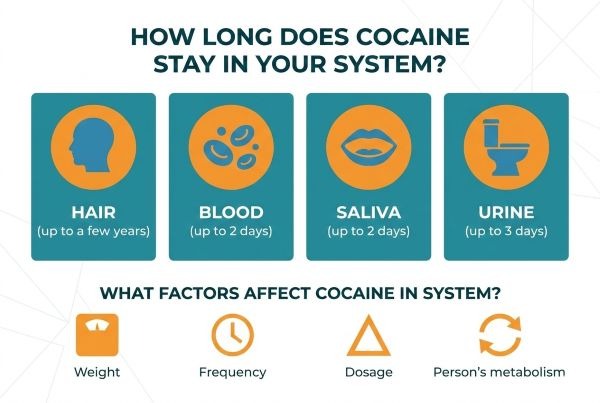
The different biological samples provide a varying window of detection.
The table below presents the example of the common approaches to testing the presence that are utilized in the context of a professional recovery environment to monitor the substance clearance.
Test Type | Typical Detection Window | Primary Usage |
Urine | 2 to 4 days | Most common for routine monitoring |
Blood | 12 to 24 hours | Used for acute impairment assessment |
Saliva | 1 to 2 days | Non-invasive recent use detection |
Hair | Up to 90 days | Evaluates long-term patterns of use |
If you have questions about structured care, contact Orlando Treatment Solutions.
Factors Influencing Clearance Rates
- The Frequency of Use: The frequency and the length of use may lead to the deposition of the metabolites in the fatty tissues, vastly affecting the detection window. It also takes the body a longer time to get all the traces of the stuff out of it compared to a one time occurrence.
- Physiological Health: The metabolism of an individual highly depends on the functionality of the liver and the kidneys. Professional supervision in the circumstances of a recovery service encompasses being aware of the way these organs are operating in order that the body is actually clearing out the toxins. The speed at which clearance occurs is also dependent on the degree of hydration and the body mass index.
FACT: Benzoylecgonine is the primary metabolite searched for during drug screenings.
100% Confidential Support is Available 24/7
No matter what you’re going through, you’re not alone. Our dedicated team is here to provide a safe, judgment-free space where you can talk openly and honestly. Whether you need emotional support, resources, or just someone to listen.
We’re here for you—completely confidential and always respectful of your privacy. Call us today!
The Role of Benzoylecgonine and Other Metabolites
The most resistant indicator of any cocaine uses benzoylecgonine, and in most of the treatment setting screenings, it is the one that is being screened.
Cocaine can have a half-life of about 1 hour, and the benzoylecgonine has a half-life range between 6 to 12 hours.
It is this gap that makes the effects of the stimulant cease being felt in the system of an individual though his or her system will show positive of the presence of the stimulant in the system.
Apart from Benzoylecgonine, other indicators such as ecgonine methyl ester can be followed. When some cocaine is mixed with some alcohol, the liver produces a weird metabolite called cocaethylene.
This very chemical is more toxic and has a longer half-life in comparison to cocaine itself which puts additional stress to the cardiovascular system.
Interaction of Cocaine and Alcohol
The production of cocaethylene does cause some problems to the body. The following table compares the half-life of these materials to give an impression of the need for professional supervision during the clearance stage.
Substance/Metabolite | Estimated Half-Life | Cardiovascular Impact |
Cocaine | 1 Hour | High (Immediate) |
Benzoylecgonine | 6 to 12 Hours | Low |
Cocaethylene | 2 or more Hours | Very High (Potentially Fatal) |

Orlando Treatment Solutions
Battling with Drug and Alcohol Addition? Remember, you are not alone and we are here to help you!
Importance of a Monitored Setting
During the process of substance removal from the body, it may cause extreme cravings and physiological discomfort.
It is the stability of the environment that makes people able to overcome these difficulties without fear of a relapse to use.
The environment enables them to cope with the so-called crash period where fatigue, hunger and mood swings reign.
Providing recovery services in a structured care setting is all about the wellbeing of the person, in terms of this metabolic transition.
Professional oversight ensures the physical clearance of the substance and psychological assistance by providing a safe and trigger-free environment.
Navigating the Path to Wellness
Eliminating cocaine in the body is only a beginning process. When the substance and the metabolites have been cleared, the focus changes to address the underlying manners and triggers that relate to use.
In the supportive supervision system, the individuals are also taught strategies of coping, life skills which make them strong enough to sustain their health in the long run.
Sustaining Health Through Structured Care
Orlando Treatment Solutions provides a professional environment where individuals can focus on their recovery journey.
Our services emphasize the importance of a monitored setting to ensure that every individual receives the appropriate level of supervised support tailored to their unique circumstances.
By choosing a structured approach, you are prioritizing a foundation of safety and professional oversight that supports the transition toward a healthier and more stable lifestyle.
Medical Disclaimer: This article is for informational purposes only and is not a substitute for professional medical advice.
Struggling to regain balance? Contact Orlando Treatment Solutions for confidential help.
Key Takeaways
- The rate of metabolism of cocaine is high but some sort of metabolite, such as benzoylecgonine, carries over longer.
- Urine tests depict use for 2 to 4 days and hair tests up to 90 days.
- Factors such as frequency of use and organ health significantly impact clearance rates.
- Combining cocaine with alcohol results in the formation of cocaethylene that is extremely toxic and has a longer duration into metabolic byproducts.
- A monitored setting provides safety during the “crash” phase of metabolic clearance.
- Structured care addresses both the physical elimination and the psychological aspects of recovery.
FAQs
How long is cocaine detectable in a urine test?
In a typical treatment environment, cocaine metabolites are detectable in urine for 2 to 4 days after use. However, for chronic or heavy users, this window can extend significantly. Professional oversight ensures that screenings are used as a tool to support the individual’s ongoing progress toward wellness goals.
Does drinking water speed up cocaine clearance?
While hydration is important for general health in a monitored setting, drinking excessive water does not significantly speed up the liver’s metabolic process. The body requires a set amount of time to break down metabolites. Recovery services focus on supporting natural organ function through balanced nutrition and supervised support.
Why does cocaethylene stay in the body longer?
Cocaethylene is produced when cocaine and alcohol are used simultaneously. It has a longer half-life than cocaine and is more difficult for the liver to process. Within a structured care program, professionals monitor for this metabolite due to its increased toxicity and the additional strain it puts on the heart.
Can a hair test show use from months ago?
Yes, hair tests can detect cocaine use for up to 90 days. This method is often used in a professional recovery environment to assess long-term patterns of behavior. It provides a broader perspective on an individual’s history, which helps in tailoring the most effective supervised support plan.
What happens during the cocaine “crash” phase?
The crash occurs as the stimulant leaves the system, often leading to exhaustion, depression, and intense cravings. A monitored setting is vital during this time to provide emotional stability and physical safety. Structured care ensures that individuals have the resources and professional oversight needed to navigate this difficult transition.
References