
In This Blog
- What does intensive outpatient and inpatient mental health care involve
- Who benefits the most from non-residential mental health treatment
- Differences between intensive outpatients and standard outpatient services
- Evidence-based therapies are used in the state of Florida’s mental health programs
- How continuity of care promotes long-term stability
- Choosing ethical outpatient mental health services in Florida
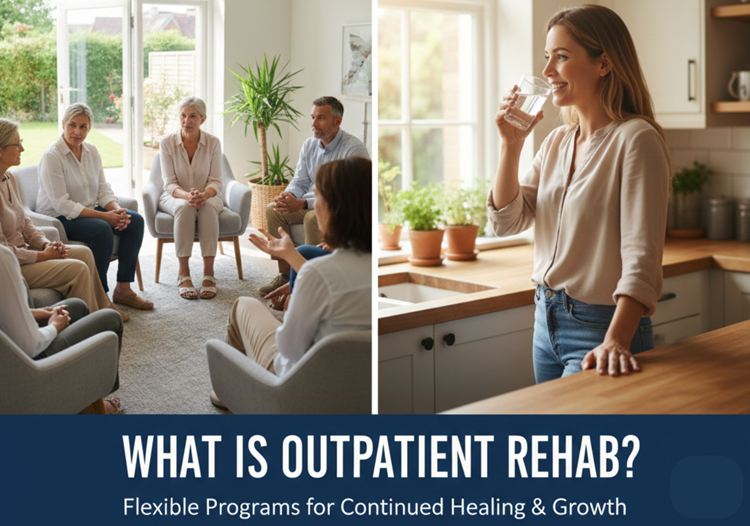
The mental health treatment does not necessarily need residential and Inpatient care. A good number of people, who are acute and outpatient mental health service providers, are effective, suitable, and allow people to continue to work, attend school and lead a family life. These are some of the most common levels of care applied in Florida in the treatment of mood disorders, anxiety disorders, trauma-related conditions, as well as other mental health issues.
The understanding of the operation of the intensive outpatient and outpatient mental health services can assist people in deciding on intensive care to support the level of symptoms, functional needs, and recovery objectives.
What are Outpatient Mental Health Services?
Outpatient mental health services involve systematic therapy and psychiatric treatment, excluding an overnight stay. The people live in their homes with frequent visits to licensed mental health professionals.
The common services in outpatient services are:
- Individual therapy
- Group therapy
- Psychiatric evaluations
- Medication monitoring
This kind of care is beneficial in continuing mental health care.
Understanding Intensive Outpatient Mental Health Programs
The intensive outpatient mental health programs are more intensive than the usual outpatient programs, and are non-residential. Treatment is carried out on a few days a week, several hours per treatment.
These programs offer:
- Intended therapeutic regimes.
- Increased oversight
- Shared and single-parent
- counseling.
They are created to deal with moderate symptom cases.
100% Confidential Support is Available 24/7
No matter what you’re going through, you’re not alone. Our dedicated team is here to provide a safe, judgment-free space where you can talk openly and honestly. Whether you need emotional support, resources, or just someone to listen.
We’re here for you—completely confidential and always respectful of your privacy. Call us today!
Key Differences Between Intensive and Standard Outpatient Care
The main difference in intensive outpatient services is the intensity and frequency of treatment.
Aspect | Intensive Outpatient | Outpatient |
Weekly hours | Higher | Lower |
Structure | Highly structured | Flexible |
oversight | Increased | Standard |
Best for | Moderate symptoms | Mild or stable symptoms |
Proper placement is beneficial to outcomes.
Orlando Treatment Solutions
Battling with Drug and Alcohol Addition? Remember, you are not alone and we are here to help you!
Who Benefits From Intensive Outpatient Mental Health Services?
Intensive outpatient treatment is normally prescribed to people who need more help than weekly therapy, yet do not need inpatient therapy.
This level of care can be applied to the people who:
- Minimizing symptoms that are getting worse.
- Moving out of in-client care.
- Experience impairment in terms of day-to-day functioning.
- Requested ordered therapeutic help.
This evaluation can be used to make it suitable.
100% Confidential Support is Available 24/7
No matter what you’re going through, you’re not alone. Our dedicated team is here to provide a safe, judgment-free space where you can talk openly and honestly. Whether you need emotional support, resources, or just someone to listen.
We’re here for you—completely confidential and always respectful of your privacy. Call us today!
Who is Appropriate for Outpatient Mental Health Treatment?
Outpatient care is the appropriate one to be given to individuals with stable symptoms who can work on their daily tasks during therapy.
The typical candidates for this include individuals who:
- The first symptom develops mentally.
- Manageable conditions.
- Need maintenance support level.
- Outpatient treatment favors long-term stability.
Call Orlando Treatment Solutions at (321) 415-3213 for outpatient mental health support.
Evidence-Based Therapies Used in Outpatient Settings
Florida’s outpatient mental health programs are dependent on therapies that are supported by research.
Common approaches include:
- Cognitive Behavioral Therapy
- Dialectical Behavior Therapy
- Trauma-Informed Therapy
- Psychodynamic Therapy
Therapy selection is based on diagnosis and goals.
Role of Psychiatric Services
Psychiatric care is frequently combined with outpatient mental health services. Psychiatrists or psychiatry providers assess the symptoms and treat the medications when appropriate.
Psychiatric involvement provides support for:
- Diagnostic clarity
- Symptom stabilization
- Medication safety
Continuous monitoring helps in better treatment.
Medication Management in Outpatient Care
Medication might be the domain of an individual’s comprehensive mental health treatment plan. In outpatient settings, medications are monitored in scheduled appointments.
Medication management is concerned with:
- Effectiveness monitoring
- Side-effect management
- Coordination with therapy
Medication is not a treatment in itself.
Importance of Structured Treatment Schedules
Consistency is key as far as mental health recovery is concerned. Intensive outpatient programs offer structured schedules that promote accountability and routine.
Structured care helps:
- Reduce symptom fluctuation
- Improve emotional regulation
- Encourage therapeutic involvement
- Routine itself helps with recovery.
Group Therapy in Outpatient Programs
Group therapy is an integral part of numerous outpatient and intensive outpatient programs. Groups offer peer support and shared learning.
Group therapy offers:
- Perspective and validation
- Skill-building opportunities
- Reduced isolation
- Groups align with individual therapy.
Addressing Co-Occurring Conditions
Many people seeking outpatient mental health services also struggle with substance use or trauma-related conditions. Integrated care deals with overlapping symptoms.
Integrated treatment is aimed at the following:
- Emotional regulation
- Stress management
- Trauma awareness
This leads to better engagement and improved results.
FACT: Outpatient mental health care is effective for many psychiatric conditions.
Continuity of Care Across Levels, Outpatient services are often a step down from inpatient or residential treatment. Continuity means that progress is maintained.
Continuity of care supports:
- Gradual transition
- Skill reinforcement
- Reduced relapse risk
Treatment is flexible as needs and requirements change.
Need help breaking free from Mental Health problems?
Contact Orlando Treatment Solutions
Family Involvement in Outpatient Mental Health Care
Appropriate in the context, outpatient programs may include family education or therapy. Family involvement leads to improved understanding and support systems.
Family services may include:
- Psychoeducation
- Communication guidance
- Support planning
- Participation respects the client’s autonomy
Duration of Outpatient Mental Health Treatment
Treatment length varies according to symptoms, treatment goals, and progress. Outpatient care does not emphasize fixed timing but rather fixed timelines.
Care is continued as indicated.
Choosing Outpatient Mental Health Services in Florida
Choosing a program is bound to require integrity to be considered above rather than convenience only.
Look for programs offering:
- Licensed professionals
- Evidence-based therapies
- Customized treatment plans
- Clear care coordination
- Quality care is all about safety.
Addressing Misconceptions About Outpatient Care
Outpatient treatment does not mean lesser care. For a lot of people, it is the most suitable and effective option.
Appropriate selection of the level is an effective way to improve the results of recovery.
Expert Advice: “Consistent outpatient care can stabilize symptoms and prevent escalation effectively.”
The balance of recovering mentally and having to deal with the daily responsibilities can be overwhelming without proper support. Intensive outpatient mental health services provide structured and evidence-based care without requiring isolation from one’s life. Choosing ethical outpatient treatment can cultivate stability, strength, and sustainable mental wellness.
Medical Disclaimer: This article is for informational purposes only and is not a substitute for professional medical advice.
Struggling to regain balance? Contact Orlando Treatment Solutions for confidential help.
Key Takeaways:
Outpatient mental health services support out-of-home recovery.
- Intensive outpatient care offers higher structure and more frequency.
- Evidence-based therapies are the guiding factor toward effective treatment.
- Psychiatric care improves accuracy in diagnosis.
- Structured routines enhance emotional control.
- The continuity of care promotes long-term stability.
FAQs
What are outpatient mental health services?
Outpatient mental health services provide therapy and psychiatric care without overnight stays. Individuals attend scheduled sessions while living at home, allowing continued participation in work, school, and family life while receiving professional mental health support.
What is an intensive outpatient mental health program?
An intensive outpatient mental health program offers structured therapy several days per week for multiple hours per session. It provides more support than standard outpatient care without requiring residential or in-client treatment.
How do I know which level of care I need?
An assessment evaluates symptom severity, safety, functioning, and treatment history. Based on these factors, professionals recommend outpatient or intensive outpatient care to ensure appropriate support without unnecessary restrictions.
Are medications used in outpatient mental health treatment?
Medications may be prescribed when it is appropriate and are monitored through regular psychiatric appointments. Medication management is combined with therapy and adjusted based on symptom response and side effects.
How long do outpatient mental health programs last?
Treatment duration varies based on individual needs and progress. Some individuals attend for several weeks, while others continue longer-term outpatient care for maintenance and symptom management.
Can outpatient mental health care be prevented?
Consistent outpatient or intensive outpatient treatment can stabilize symptoms, improve coping skills, and reduce crisis escalation. While not guaranteed, appropriate outpatient care may lower the risk of future rehospitalization.