In This Blog:
- The pharmacological nature of opioid-based analgesics
- How the brain’s reward system responds to opioids
- The progression from therapeutic use to dependency
- Recognizing physical and behavioral indicators of misuse
- Long-term impact on the central nervous system and organs
- Strategies for professional support and stabilization
When people use strong analgesics to treat pains, the following question may appear to be crucial: whether Oxycodone is addictive or not. Oxycodone is a semi-synthetic opioid that is used to treat moderate to intense pain through varying responses to discomfort by the brain and nervous system. Though it plays an important role in the medical treatment of post-operative and chronic pain, its chemical composition is closely connected with other strong stimulants and depressants with a high risk of abuse.
It is not just the risk of dependency on this substance that develops with the one who smokes it without a prescription that can develop a tolerance issue that forces a person to use more to allow the same effect to occur; even a person who follows a professional care plan can develop a tolerance issue that may lead him to consume more to replicate the same effect.
By learning the science of detection and the behavioral changes during consumption, people will be more successful in negotiating through the pain management complexities and focus on long-term health and stability.
Expert Advice: Supervised administration and regular monitoring by a healthcare provider are essential when utilizing potent opioids.
How Oxycodone Affects Your Brain and Body
To understand how addictive Oxycodone is, we must look at its journey through the human body. Once ingested, the substance enters the blood through the stomach and is processed by the liver. It then circulates to the brain, where it binds to specific receptors to block pain and increase levels of dopamine.
- Reward Reinforcement: The surge in dopamine creates a state of euphoria that the brain naturally wants to repeat.
- Central Nervous System Depression: The substance slows down vital functions, including heart rate and respiration.
- Physical Adaptation: Over time, the body adjusts its unique chemistry to the constant presence of the drug.
This biological “rewiring” is why the substance is classified as a controlled substance with a high potential for abuse. The brain begins to prioritize the drug over natural rewards, making the path to recovery a matter of both physical and psychological stabilization.
How Oxycodone Use Turns Into Dependency
The transition from using a medication for pain to experiencing a substance use disorder often occurs through several identifiable stages. Understanding the timeline of how the drug stays in the body provides insight into this progression.
- Tolerance: The individual finds that the initial dose no longer provides the same level of relief.
- Physical Dependence: The body requires the substance to function “normally” and experiences distress if the dose is missed.
- Compulsive Use: The person continues to use the substance despite facing negative consequences in their personal or professional life.
The half-life of the drug, the time it takes for half the substance to be cleared from the system, ranges between nine and 14 hours.
FACT: Opioid dependency can alter brain structure and decision-making capabilities over time.
Physical Warning Signs of Oxycodone Misuse
Recognizing the physical indicators of opioid use is a critical step in identifying a problem before it escalates. Because the substance affects multiple systems, the signs are often widespread.
- Respiratory Changes: Noticeably slowed or irregular breathing patterns.
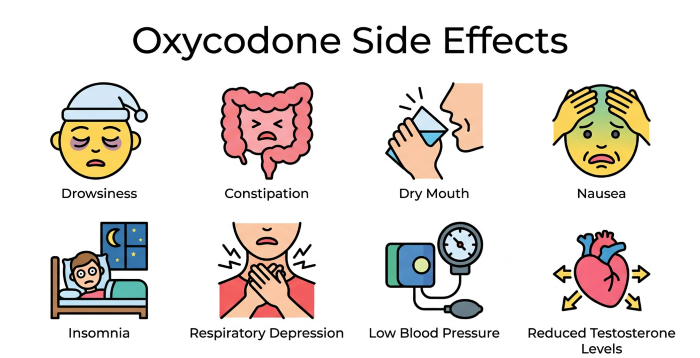
- Digestive Issues: Chronic constipation and nausea are common side effects.
- Physical Appearance: Pinpoint pupils, sudden weight loss, or changes in skin tone.
- Coordination: Frequent drowsiness or a lack of physical coordination.
Symptom Category | Common Sign | Potential Risk |
Cardiovascular | Heartbeat irregularities | Increased work on the heart |
Neurological | Mood swings and paranoia | Danger of psychosis |
Physical | Dry mouth and insomnia | Chronic fatigue and dental issues |
Behavioral Warning Signs of Oxycodone Misuse
While physical symptoms are telling, behavioral shifts often provide the earliest clues to a developing habit. When someone is struggling with how addictive Oxycodone is, their priorities and social interactions typically change.
- Doctor Shopping: Attempting to obtain multiple prescriptions from different providers.
- Social Isolation: Withdrawing from family, friends, and previously enjoyed activities.
- Secretive Behavior: Hiding the medication or lying about the frequency of use.
- Neglecting Duties: Failing to meet responsibilities at work, school, or home.
These behavioral changes are often driven by the brain’s hijacked reward system. The person is not simply making “bad choices”; they are responding to a powerful chemical compulsion that requires professional intervention to break.
100% Confidential Support is Available 24/7
No matter what you’re going through, you’re not alone. Our dedicated team is here to provide a safe, judgment-free space where you can talk openly and honestly. Whether you need emotional support, resources, or just someone to listen.
We’re here for you—completely confidential and always respectful of your privacy. Call us today!
Long-Term Health Effects of Oxycodone Use
The long-term effects of opioid use extend far beyond the risk of addiction. Chronic exposure to the substance can lead to lasting damage to the body’s internal organs and mental health.
- Organ Health: Impaired liver and kidney function due to the continuous processing of the drug.
- Mental Health: Increased risk of depression, anxiety, and alterations in personality.
- Immune System: A weakened immune response, making the individual more susceptible to infections.
Why Professional Help Matters for Oxycodone Recovery
For those who have found the answer to how addictive Oxycodone is through personal experience, a professional environment is often the most effective path to stability. These settings provide the safety and professional oversight needed to navigate the challenges of withdrawal and behavioral change.
- Supervised Stabilization: Safely managing the physical discomfort of clearing the drug from the body.
- Routine and Stability: Rebuilding a sense of order through scheduled therapy and wellness activities.
- Peer Support: Connecting with others who understand the unique challenges of opioid recovery.
Therapies That Help With Oxycodone Recovery
Addressing the psychological drivers of substance use is essential for preventing a return to old habits. Behavioral therapies help individuals identify the thought patterns that lead to use and develop healthier ways to manage stress and pain.
- Individual Counseling: Exploring the root causes of the dependency in a safe, one-on-one setting.
- Group Therapy: Building communication skills and learning from the shared experiences of others.
- Coping Strategies: Developing a “toolbox” of skills to handle triggers and cravings in the real world.
How Nutrition Supports Oxycodone Recovery
Physical health is a cornerstone of recovery from opioid dependency. Chronic use often leads to neglected nutrition and physical inactivity, which can exacerbate feelings of anxiety and fatigue.
Wellness Pillar | Benefit to Recovery | Strategy |
Nutrition | Stabilizes mood and energy levels | Balanced, whole-food based meal planning |
Hydration | Supports kidney and liver function | Consistent water intake throughout the day |
Physical Activity | Raises metabolism and improves sleep | Daily gentle movement or walking sessions |
Concerned about oxycodone use? Call Orlando Treatment Solutions and let us help you find the right support.

How to Handle Triggers During Oxycodone Recovery
The transition back to independent living is a critical phase in the recovery journey. Use is often tied to specific environments, people, or emotional states that must be navigated carefully.
- Identifying Triggers: Knowing which situations or social circles spark the urge to use.
- Environmental Adjustments: Changing routines or avoiding locations where the substance was previously used.
- Social Support: Maintaining a connection to a support network that prioritizes health and accountability.
Better Ways to Manage Pain Without Oxycodone
As we move forward, the focus in healthcare is on ethical and responsible pain management. This involves being transparent about the risks of opioids and exploring a variety of options for patient comfort.
- Multimodal Approaches: Using a combination of non-opioid medications and physical therapies.
- Patient Education: Ensuring that everyone prescribed an opioid understands the potential for habit formation.
- Regular Monitoring: Frequent check-ins to ensure the medication is being used as intended and to monitor side effects.
Building a Healthy Life After Oxycodone Dependency
Ultimately, moving away from opioid dependency is about rebuilding a life characterized by purpose and integrity. It is about discovering new passions and reclaiming the ability to enjoy life without the filter of a chemical substance.
Through professional support, individuals can rediscover their strengths and build a future that is truly their own. Recovery is a journey of growth and self-discovery, and with the right tools, a healthy and fulfilling life is entirely possible.
Orlando Treatment Solutions provides a professional and professional framework for individuals looking to address the impact of opioids on their lives. We emphasize evidence-based practices and personal empowerment to foster long-term stability and health without making guarantees about specific results.
Medical Disclaimer: This article is for informational purposes only and is not a substitute for professional medical advice.
Ready to take the next step? Call Orlando Treatment Solutions and let’s talk about your recovery options today.
Key Takeaways
- Oxycodone is a potent opioid with a high potential for misuse and dependency.
- The substance binds to mu-opioid receptors, blocking pain and triggering a dopamine surge.
- Physical signs of misuse include slowed breathing, pinpoint pupils, and heartbeat irregularities.
- Behavioral changes, such as social withdrawal or “doctor shopping,” are key indicators of a problem.
- Professional environments and behavioral therapies are essential for sustainable recovery.
- Family involvement and nutritional wellness provide a strong foundation for long-term health.
FAQs
How long does Oxycodone stay in your system?
In most healthy adults, Oxycodone is typically cleared within 2 to 3 days. However, detection windows vary depending on the test used. It may be found for up to 4 days in urine, around 46 hours in blood, and as long as 90 days in hair samples.
Can you get addicted to Oxycodone even if it is prescribed?
Yes, addiction can develop even when Oxycodone is legally prescribed. Prolonged use, higher doses, or individual vulnerability can increase the risk of dependency. It is important to follow medical instructions carefully, avoid self-adjusting doses, and communicate regularly with your healthcare provider about any concerns or emerging symptoms.
What are the side effects of Oxycodone?
Common side effects of Oxycodone include insomnia, dry mouth, increased heart rate, and anxiety. Some individuals may also experience dizziness, nausea, or constipation. Serious risks can involve breathing difficulties, heart complications, or significant changes in mood, behavior, or overall mental health functioning over time.
How do I know if someone is misusing their medication?
Signs of misuse of Oxycodone may include social withdrawal, neglect of responsibilities, and an unusual preoccupation with obtaining or using the medication. Other warning signs include mood swings, secrecy, doctor shopping, taking higher doses than prescribed, or continuing use despite negative physical, emotional, or social consequences.
What should I do if I think I am becoming dependent?
If you suspect dependence on Oxycodone, contact your healthcare provider promptly. They can assess your situation, adjust your treatment plan, or recommend tapering strategies. Seeking early support may prevent worsening dependence and connect you with counseling, monitoring, or specialized recovery services tailored to your individual needs.