
Key Takeaways
- Ibuprofen should not be taken for an extended period of time, as it has a potential addiction risk.
- Those who become addicted to ibuprofen can have mood swings, stomach problems, cravings, increased tolerance to the drug, and even an inability to stop taking it.
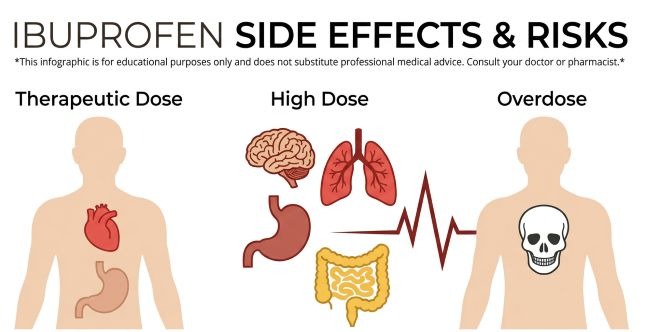
- Chronic overuse can lead to disease of the stomach, kidneys, liver and cardiovascular system.
- Addiction to Ibuprofen can make its users experience withdrawal symptoms when they attempt to abruptly stop using the drug.
- Special attention and behavioral support can help make the process of responding to the use of medications and associated pain problems safer.
Ibuprofen is a commonly used over-the-counter pain reliever in the United States. The general public assumes it without much thinking about its usage in the treatment of headaches, muscle pain, arthritis, inflammation, or fevers. However, chronic use can cause physical and psychological dependence. It’s crucial to learn the signs of ibuprofen addiction since the symptoms tend to be tricky. While a good “trick to get through a bad day,” it can actually become a habit and cause physical, emotional and quality-of-life problems.
We provide services to clients who may be experiencing problems with chronic pain, substance misuse and dual diagnosis. It’s surprising how many people actually find medications like acetaminophen or ibuprofen become problematic when they aren’t used properly or in moderation.
What is Ibuprofen Addiction?
Medications used to treat pain and inflammation, ibuprofen is a member of a group of drugs called NSAIDs (nonsteroidal anti-inflammatory drugs). It is available to buy as a brand on its own, such as Advil and Motrin, and is usually used safely as directed. When someone takes the drugs in greater amounts or has to take them each day for too long, however, the problems start.
Ibuprofen is not as Intoxicating (the “high”) as opioids. However, using this can lead to unhealthy patterns of use as individuals become emotional and/or physically dependent upon the relief it brings. Others start using them at higher dosages to alleviate chronic pain, stress, headaches or sports injuries. Others may persist in using it when it has bad side effects.
Sometimes in counseling practice, individuals come to understand that they have become so dependent on their medication that they have crossed into dependency territory only when they have health-related issues.
100% Confidential Support is Available 24/7
No matter what you’re going through, you’re not alone. Our dedicated team is here to provide a safe, judgment-free space where you can talk openly and honestly. Whether you need emotional support, resources, or just someone to listen.
We’re here for you—completely confidential and always respectful of your privacy. Call us today!
Why People Misuse Ibuprofen
Excessive ibuprofen use can be due to a few reasons:
- Chronic pain conditions
- The reason for the damage could be sports injuries, physical work or heavy workloads.
- Recurrent migraine headaches or tension headaches
- Self-medicating emotional distress
- Avoidance of re-injury
- Easy over-the-counter availability
A person’s belief that he or she can use nonprescription drugs without consulting a doctor at any time.
Orlando Treatment Solutions
Battling with Drug and Alcohol Addition? Remember, you are not alone and we are here to help you!
Common Ibuprofen Addiction Symptoms
Some common Ibuprofen addiction symptoms are described below:
The main purpose of these symptoms occurring is to determine if you have a problem with ibuprofen addiction as early as possible so that you do not undergo serious health issues. Below are some symptoms that you might experience.
Taking Higher Doses Than Recommended
A clear indicator is the frequency of exceeding the dosage recommended. A person could begin taking additional medicines, as the dosage of the medicine already taken is not efficient enough to assist with.
The body can become tolerant, and the individual may increase their use and/or amount over time.
Using Ibuprofen Every Day
Another concern of another day-to-day use without medical supervision is also considered. People often start taking ibuprofen before starting work, exercise or going to bed, as they feel they could not function appropriately without it.
Gradually, it can become a psychological dependency with the use that it receives regularly.
100% Confidential Support is Available 24/7
No matter what you’re going through, you’re not alone. Our dedicated team is here to provide a safe, judgment-free space where you can talk openly and honestly. Whether you need emotional support, resources, or just someone to listen.
We’re here for you—completely confidential and always respectful of your privacy. Call us today!
Stomach Pain or Digestive Problems
The digestive system is the usual target of long-term drug abuse. Possible symptoms can be the following:
- Stomach pain
- Heartburn
- Nausea
- Vomiting
- Stool that is black or bloody
- Ulcers
Failure to treat these symptoms can result in severe gastrointestinal bleeding.
Mood and Behavioral Changes
People may have emotional changes due to long-term drug abuse. These may include:
Irritability
Concern about the parent not having enough medication
Has trouble handling pain.
Frequent or excessive thoughts about pain management
Before people realize that they have a problem, behavioral changes are detected.
Hiding or Minimizing Use
One of the other red flags is secrecy or privacy. People can mask their dose of ibuprofen or grow defensive if family members are concerned.
It’s a common trend in various forms of drug use.
Difficulty Stopping
Those who are dependent might want to do a little less, but then they will find themselves in the same old behavior patterns because pain/anxiety/discomfort is too much.
Often, cessation is emotionally challenging even if they know that there is a medical risk involved.
Physical Health Risks of Long-Term Ibuprofen Misuse
Why ibuprofen addiction symptoms shouldn’t be overlooked is because the side effects of taking ibuprofen over an extended period of time can cause a severe asthma attack to a person.
Kidney Damage
There must be good blood flow to the kidney so that it functions properly. Excessive long-term use of NSAIDs may result in decreased blood flow and increase the risk of damage to the kidneys or chronic kidney disease.
Liver Stress
The risk of kidney complications increases, complicated by a greater risk if ibuprofen is used along with excess alcohol or other drugs, which can also damage the liver.
Heart Risks
NSAIDs may have a greater risk for those who use it long-term of developing:
- High blood pressure
- Heart attack
- Stroke
- Fluid retention
The latter are particularly harmful for elderly people and/or those with pre-existing cardiovascular diseases.
Rebound Headaches
Because of this, you may end up developing medication-overuse headaches from using ibuprofen frequently for headaches. This establishes a kind of vicious circle: The individual keeps taking increasingly larger amounts of medicine to reduce the pain provoked by the medicine.
What are Withdrawal Symptoms From Ibuprofen?
The withdrawal symptoms of ibuprofen are not as dangerous as opioid withdrawal, but some common users experience some of these symptoms when they suddenly stop using the drug.
Possible symptoms include:
Increased pain sensitivity
Headaches
Fatigue
Irritability
Difficulty sleeping
Some of these symptoms foster the habit of using it and make it more difficult to stop using it without help.
The Emotional Side of Medication Dependence
Often there’s more to medication misuse than the drug. A large number of people are taking pain relievers to control emotional stress, trauma, burnout or untreated mental health and drinking them to enhance their abilities.
As therapists and addiction counselors, we sometimes have to facilitate more profound questions with our clients:
- How does pain enrich our lives?
- Are there physical symptoms due to stress?
- Does discomfort or despair make anxiety worse?
- Is medication the only form of coping?
Rehabilitation is a continuous process and emotional health needs to be dealt with along with treatment for physical symptoms.
When to Seek Professional Help
If you fall into any of these categories, then it is best to seek out professional assistance:
Use ibuprofen as recommended on a daily basis (without medical recommendations)
- Take medicines more often than the recommended number of times.
- React with stomach bleeding and/or severe digestive symptoms
- Be unsure about taking meds to ease anxiety
- Persist in using it badly, although it has proven harmful in some way to the health.
- Have a lot of trouble cutting back or ceasing drinking.
Orlando Treatment Solutions’ staff is available to offer empathetic and evidence-based care to those who are struggling with substance abuse and mental health issues.

Need help breaking free from Ibuprofen Addiction?
Contact Orlando Treatment Solutions
How Treatment Can Help
Misuse of medication will need a combination of medical monitoring, therapy and/or lifestyle input.
Medical Evaluation
Your health care provider can check to see whether your kidneys, stomach, liver or heart have suffered any damage, as well as create a safe course of action to lower it.
Pain Management Support
Numerous people can improve their ability to deal with pain without medication by learning some of these skills:
- Physical therapy
- Mindfulness techniques
- Stress reduction
- Exercise programs
- Sleep improvement
- Nutrition support
Dual Diagnosis Treatment
When anxiety, depression, trauma, or chronic stress may be contributing factors to overuse, treating mental health alongside recovery from physical illness can result in a more permanent cure.
You Don’t Have to Manage This Alone
Ibuprofen addiction symptoms often cast a shadow of embarrassment on many people who realize they have a problem with this medication because it’s legal and readily available. However, dependency may occur with various substances when pain, stress and emotional difficulties are not managed.
Fortunately, there is a way around it with the proper support.
If you or a loved one believes that there’s a risk of medication abuse, reach out to Orlando Treatment Solutions today. Our caring staff will offer you information on possible treatment methods, the reasons for dependency, and the initial steps to take in establishing more positive coping behaviors and be your first step toward a better future.
Disclaimer
This content is for educational and informational purposes only and should not replace professional medical advice, diagnosis, or treatment. Always consult a licensed healthcare provider regarding medication use, addiction concerns, or medical symptoms.
To ensure complete transparency and manage expectations, please be advised that we do not offer or provide Eye Movement Desensitization and Reprocessing (EMDR), Dialectical Behavior Therapy (DBT), or individual therapy services at Orlando Treatment Solutions.
References
Frequently Asked Questions
What are withdrawal symptoms from ibuprofen?
People who frequently use ibuprofen may experience headaches, fatigue, irritability, anxiety, sleep issues, and increased pain sensitivity when stopping suddenly. Symptoms are usually mild but can make it difficult to reduce use without professional support.
What are the symptoms of ibuprofen overuse?
Symptoms may include stomach pain, heartburn, nausea, kidney issues, headaches, mood changes, digestive bleeding, and increased tolerance. Some individuals also become emotionally dependent on the medication and feel anxious without it.
How do you know if you are addicted to ibuprofen?
Signs include taking higher doses than recommended, daily use, hiding medication habits, difficulty stopping, and continuing use despite harmful side effects. Emotional reliance on pain relief is another important warning sign.
What happens if you keep taking ibuprofen every day?
Long-term daily use may increase the risk of stomach ulcers, gastrointestinal bleeding, kidney damage, liver stress, high blood pressure, and cardiovascular complications. Daily use should always be discussed with a healthcare provider.
Is ibuprofen damage reversible?
Some effects may improve after stopping ibuprofen, especially when identified early. However, severe kidney damage, ulcers, or gastrointestinal bleeding can become permanent or life-threatening without medical treatment.
What are the top 3 worst addictions?
Addiction severity varies by individual, but opioids, methamphetamine, and alcohol are often considered among the most dangerous due to their effects on physical health, brain chemistry, and overdose risk.