
In This Blog
- What 24/7 medical support means in addiction recovery
- Why is continuous medical care critical during early recovery
- Conditions and substances requiring round-the-clock monitoring
- Treatment settings that provide ongoing medical supervision
- How 24/7 support improves safety and recovery stability
- When to seek immediate, continuous medical care
The necessity to seek addiction recovery help with 24/7 healthcare is often prompted by the concerns of safety, the dangers of withdrawal, or complex health problems. The symptoms of substance use disorders may also be both physical and psychological, and withdrawal symptoms or medical complications can take place at any point in time, and not necessarily at the scheduled sessions.
Awareness of the place and the method of receiving 24/7 medical help can help people make valid choices, choosing in favor of safety, stabilization, and a high rate of recovery.
Expert Advice: “Continuous medical monitoring significantly reduces risks during early addiction recovery.”
What Does 24/7 Medical Support Mean?
Twenty-four-hour medical support is the ability to have a licensed medical provider on hand at all times who checks physical and mental health during the addiction recovery. This level of care ensures that the withdrawal symptoms, medical instability, or mental crisis can be addressed promptly.
The medical personnel might comprise physicians, nurses, and behavioral health professionals operating in shifts such that there is no lapse in care.
Why Continuous Medical Care Matters in Recovery
Early recovery and withdrawal are erratic. The symptoms can be fast-growing, especially when a person sleeps or when he or she is under stress.
The 24/7 medical access will minimize the chances of unnoticed complications and comfort patients in the initial sobriety.
100% Confidential Support is Available 24/7
No matter what you’re going through, you’re not alone. Our dedicated team is here to provide a safe, judgment-free space where you can talk openly and honestly. Whether you need emotional support, resources, or just someone to listen.
We’re here for you—completely confidential and always respectful of your privacy. Call us today!
Substances That Often Require 24/7 Monitoring
Some of the substances are accompanied by withdrawal syndromes that need permanent medical attention. These dangers are determined by the amount of time in use, the dose, and personal health considerations.
Typical drugs are alcohol, opioids, benzodiazepines, along certain prescription drugs. Symptoms are managed through the use of medical supervision.
Alcohol Withdrawal and Medical Risk
Alcohol withdrawal may be accompanied by severe complications with the nervous and cardiovascular systems. The symptoms can escalate at any time and necessitate urgent action.
The twenty-four-hour monitoring will enable swift reaction to any new risk and help in stabilizing at this critical stage.
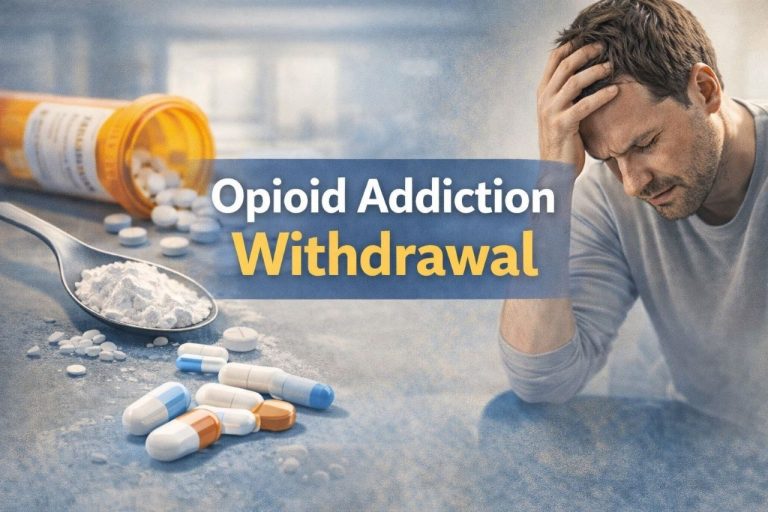
Opioid Withdrawal and Medical Oversight
Although the condition of opioid withdrawal is not usually life-threatening, it may lead to severe physical suffering and emotional instability. Continuous medical care enhances comfort and reduces the risk of relapse in early abstinence.
Clinicians can also deal with dehydration, sleeping disturbance, and anxiety through monitoring.
Mental Health Support Alongside Medical Care
Most people who are involved in addiction recovery have comorbid mental illnesses like anxiety or depression. The symptoms may become worse during withdrawal.
The 24/7 care is also integrated to make sure that physical and psychological needs are met as opposed to being met independently.
Treatment Settings Offering 24/7 Medical Support
Continuous medical care is not a part of all treatment programs. Medical detox centers and residential treatment facilities that provide medical staff on-site to offer 24/7 services are usually considered settings.
These places are created to be safe, organized, and immediate response.
Medical Detox as an Entry Point
Medical detox programs are aimed at stabilizing the person during the withdrawal process by keeping a close eye on the person and managing the symptoms. Detox is commonly a short-term but medically intensive process.
The detox is not a treatment but a safe base for other recovery care to be achieved.
Residential Treatment and Ongoing Monitoring
Medical-staffed residential programs provide long-term care. People are attended to full-time and subjected to therapeutic and recovery-oriented activities.
Such a model is favorable to those with complicated medical records or who tend to relapse.

Safety Protocols in 24/7 Medical Programs
Long-term care facilities observe the safe standards in care, such as frequent check-ups, medication administration policy, and emergency handover strategy, among other things.
The protocols ensure patient protection and delivery of treatment that is ethical and based on evidence.
Benefits of Immediate Medical Access
Direct response to medical personnel eliminates anxiety and increases participation in recovery. The fact that there are people to turn to when needed is a promise of emotional stability.
The access also helps in ensuring that minor symptoms are not turned into serious medical problems.
When 24/7 Medical Support Is Especially Important
Certain indicators suggest the need for continuous medical care rather than outpatient support alone.
These include prior severe withdrawal, medical instability, or co-occurring mental health concerns requiring close monitoring.
Comparing 24/7 Care With Limited Medical Access
Feature | 24/7 Medical Support | Limited Medical Access |
Symptom monitoring | Continuous | Periodic |
Emergency response | Immediate | Delayed |
client’s safety | Higher | Variable |
Withdrawal management | Medically guided | Self-managed |
Level of care selection impacts safety.
Struggling to regain balance? Contact Orlando Treatment Solutions for confidential help.
Transitioning From 24/7 Care to Lower Levels
As individuals stabilize, they may transition to outpatients or less intensive settings. This transition is planned to avoid gaps in care.
Gradual step-down improves continuity and reduces relapse risk.
Accessibility of 24/7 Medical Support in Florida
Florida offers a range of treatment facilities with continuous medical staffing. Access varies by region and program type, making evaluation important.
Professional guidance helps identify appropriate options based on individual needs.
Ethical Standards and Continuous Care
Reputable providers offering 24/7 support adhere to ethical standards, informed consent, and transparent communication. Continuous care should never involve coercion or unrealistic promises.
Ethical treatment builds trust and supports sustained engagement.
Knowing When Immediate Help Is Needed
Sudden changes in physical health, confusion, severe withdrawal symptoms, or emotional instability indicate the need for immediate medical evaluation.
Prompt intervention reduces harm and supports recovery momentum.
FACT: Twenty-four-hour medical supervision improves safety during withdrawal and early recovery.
Access to 24/7 medical support can make a critical difference during addiction recovery, especially in the earliest stages. Continuous care provides safety, reassurance, and immediate intervention when symptoms change unexpectedly. Choosing a program with around-the-clock medical staff helps protect health while building a stronger foundation for long-term recovery.
Disclaimer: This article is for informational purposes only and is not a substitute for professional medical advice.
Key Takeaways
- Twenty-four-hour medical support offers continuous safety monitoring.
- Withdrawal symptoms can escalate without warning.
- Certain substances require round-the-clock oversight.
- Medical detox provides short-term stabilization with constant care.
- Residential programs extend 24/7 support beyond detox.
- Continuous access improves recovery stability and confidence.
FAQs
What does 24/7 medical support in addiction recovery mean?
It means licensed medical professionals are available at all times to monitor health, manage withdrawal symptoms, and respond to emergencies. This level of care ensures immediate intervention if physical or psychological complications arise during early recovery stages.
Who needs 24/7 medical support for addiction recovery?
Individuals with severe substance use, long-term dependence, prior withdrawal complications, or co-occurring medical or mental health conditions often benefit most from continuous medical supervision to ensure safety and stability.
Is 24/7 medical care only available in detox programs?
No. While medical detox programs commonly provide continuous care, some residential treatment centers also offer ongoing 24/7 medical support throughout treatment to monitor health and manage emerging concerns beyond withdrawal.
Can out-client programs provide 24/7 medical support?
Outpatient programs generally do not offer continuous medical monitoring. They rely on scheduled visits and external emergency services, making them less appropriate for individuals with high medical or withdrawal risks.
How long do people typically need 24/7 medical care?
The duration varies based on substance use history, health status, and response to treatment. Some individuals require only short-term detox monitoring, while others benefit from extended residential care with ongoing medical oversight.
Does 24/7 medical support guarantee recovery success?
No level of care guarantees recovery. However, continuous medical support significantly improves safety and engagement during early recovery, creating better conditions for long-term treatment participation and sustained sobriety.