
What is alcohol intolerance? That was the question you had in your mind. The majority of people are able to experience abnormal reactions in the event that they drink and believe that it is low tolerance or sensitivity. Nonetheless, alcohol intolerance is an objective situation that determines how your body processes alcohol, often leading to embarrassing effects, even under minimal dosage.
In this case, we are going to split the contents to cover the aspects of alcohol intolerance, its causes, symptoms, diagnosis, and effective treatment, including the ones that would leave you with a clear picture of your body and would help you make the correct choice.
In alcohol intolerance, which is a type of genetic metabolic malfunction, the human body cannot process alcohol effectively and the effects are instantaneous, manifesting as flushing the face, raised heart rate, hives and nausea.
This is predominantly caused by the deficiency of the enzyme aldehyde dehydrogenase 2 (ALDH2) that leads to the accumulation of acetaldehyde, which is toxic. No good management can be effective, except that it does not indulge in alcohol.
What is Alcohol Intolerance?
Alcohol intolerance is a genetic or metabolic disorder in which the body cannot metabolize alcohol adequately. This usually occurs in cases where the body lacks adequate quantities of the enzymes that the body requires to be able to break down alcohol. Toxins like acetaldehyde are therefore accumulated in the body, causing the unpleasant effects.
All of the symptoms of alcohol intolerance are quick, unlike a hangover, which follows after one has overconsumed alcohol.
How Common Is Alcohol Intolerance?
Alcohol intolerance is even more prevalent than some may believe. It is especially prevalent among East Asians with genetic defects that are passed down through inheritance as opposed to alcohol metabolism. However, it can affect people of every profession.
This is because there is a likelihood of confusion or misconstruction of their reaction to alcohol, since many of them experience mild and moderate symptoms that they are unaware of the real cause of.
Is Alcohol Intolerance the Same as an Alcohol Allergy?
No, alcohol intolerance and alcohol allergy are two distinct phenomena.
Alcohol allergy refers to the immune response of the immune system to some alcoholic beverage ingredients, such as grains, sulfites or preservatives. This can cause more serious effects, including hives, swelling, or difficulty breathing.
Alcohol intolerance, though, is not related to the immune response- it has to do with how the body processes alcohol. The symptoms are not dangerous but cause discomfort most commonly.
Is Alcohol Intolerance the Same as Being Intoxicated?
Not at all. When larger amounts are consumed, alcohol affects the brain’s functioning and behavior, leading to intoxication.
The alcohol intolerance symptoms set in after very small doses and are not related with the degree of intoxication. The fact is that alcohol-intolerant individuals might have physical diseases without the common impact of being drunk.
Who Might Have Alcohol Intolerance?
Anyone can be alcohol intolerant but some individuals may be in greater danger:
- Those who have a family history of alcohol intolerance.
- Individuals of East Asian origin.
- Asthmatic/allergic people.
- Individuals who have digestive or gastrointestinal illnesses.
- Individuals who abuse substances that interfere with alcohol metabolism.
It can also develop intolerance to alcohol later on in life even to those who were previously okay taking alcohol.
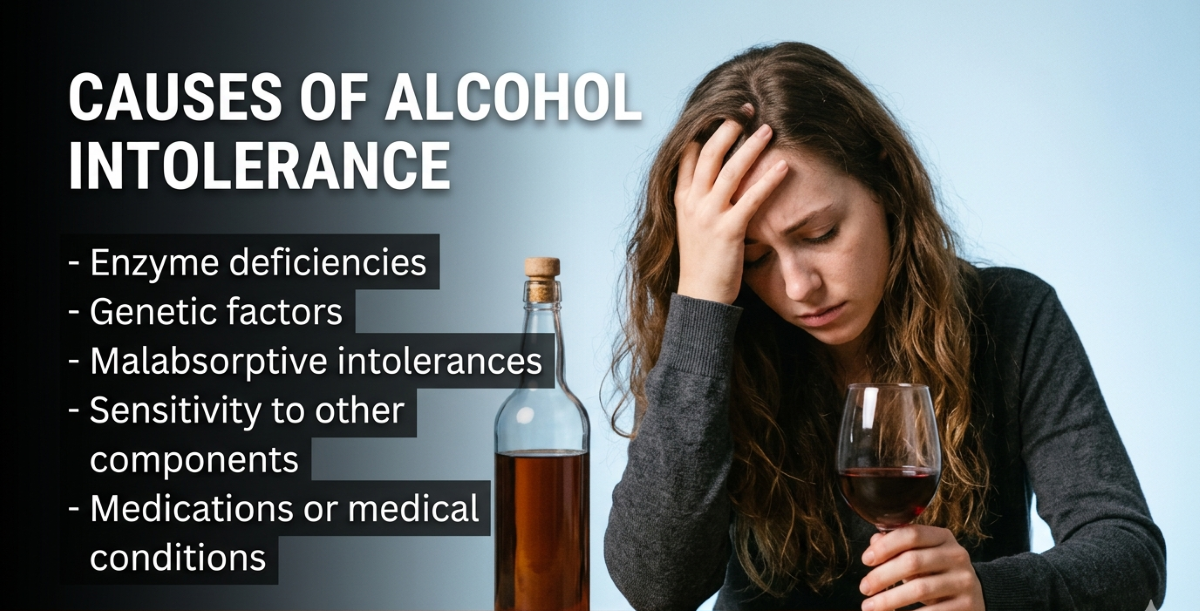
Causes of Alcohol Intolerance.
Tolerance to alcohol is mainly caused by a lack of the alcohol-metabolizing enzyme aldehyde dehydrogenase (ALDH2).
Other possible causal factors may be:
- Genetic variations when it comes to the production of enzymes.
- Allergic reaction to substances like histamines or sulfites.
- Actions of drugs that interfere with the metabolism of alcohol.
- Underlying health conditions
Medical experience of recognized medical professionals indicates that the majority of the underlying factor in this condition is the lack of enzymes.
100% Confidential Support is Available 24/7
No matter what you’re going through, you’re not alone. Our dedicated team is here to provide a safe, judgment-free space where you can talk openly and honestly. Whether you need emotional support, resources, or just someone to listen.
We’re here for you—completely confidential and always respectful of your privacy. Call us today!
Signs of Alcohol Intolerance
The symptoms usually appear shortly after we have taken alcohol and could either be mild or serious. Common signs include:
- Face flushing (rashing on face)
- Rapid heartbeat (palpitations)
- Stuffy nose/runny nose.
- Headaches or migraines
- Nausea or vomiting
- Reduced blood pressure (under certain circumstances)
- Hives and other skin reactions.
These symptoms can even occur when the affected individuals take even a small amount of alcohol, thus rendering the social event overwhelming to the affected person.
How is Alcohol Intolerance Diagnosed?
There is no specific test that is conclusive on alcohol intolerance. Health care practitioners tend to combine the following:
- Medical history; reviews on symptoms.
- Physical examination
- A drug to exclude alcohol was used in a trial to observe the symptom change.
- Allergy tests to remove alcohol allergy.
- Genetic test (in a few cases only)
The regularity of body response to alcohol can easily be used to make a diagnosis.
How is Alcohol Intolerance Treated?
There is no treatment of alcohol intolerance but symptoms can be treated.
The safest bet is to get rid of alcohol. Being in a position to avoiding alcohol would eliminate the symptoms since it is a condition that is dependent on how the body processes alcohol.
Other facilitative strategies may be:
- Using more natural drinks.
- Staying well-hydrated
- The inhibition of known triggers, i.e. sulfites and histamines.
How Long Will I Have Alcohol Intolerance?
In the majority, alcohol intolerance is a life ailment, particularly when it is a hereditary condition. But it is not that it tends to dissipate over time as compared to temporary sensitivities.
However, becoming acquainted with the triggering factors and changes in lifestyles would help to reduce the uncomfortable situation considerably and improve the overall quality of life overall.
Alcohol Intolerance Treatment Options
Even though the only approach to treating the symptoms is total avoidance, there are additional symptom management methods, which some individuals research:
- Antihistamines
- Dietary modifications
- Maintaining a record of specific kinds and quantities of alcohol.
- Addressing underlying health issues.
It should be remembered that in the absence of an experienced medical professional, one may not take a course of treatment unless the symptoms are mild, or are gradually improving.
Call now and speak with a person who will really care and start the first step to make the person feel better.

Take Control of Your Health Today
When one becomes uncomfortable due to alcohol, then he/she has to listen. The initial process to achieving better health and well-being is to understand your body.
Orlando Treatment Solutions offers professionals and compassionate care to those affected by alcohol-related problems. No matter what you are seeking to know about your symptoms or, in need of information, there is help.
Call (321) 415-3213 now and speak with a person who will really give care and start the first step to make the person feel better.
Don’t Ignore the Signs. Get Expert Help
Alcohol intolerance does not necessarily have to be a social problem, but it could get a grip on you and your general condition and thus your comfort in everyday life..
Professional advice is often important, particularly when you are not certain on how to make sense out of your symptoms or you are in need of assistance.
Take the first step to clarity, comfort and control when you call Orlando Treatment Solutions.
Disclaimer
This content is for informational and educational purposes only and is not intended as medical advice, diagnosis, or treatment. Always consult a qualified healthcare provider or licensed medical professional regarding any medical concerns or before making changes to your health regimen. If you experience severe reactions to alcohol, seek immediate medical attention.
Frequently Asked Questions
How do you know you have an alcohol intolerance?
If you consistently experience symptoms like flushing, headaches, or nausea after small amounts of alcohol, it may indicate intolerance. Keeping track of reactions and consulting a healthcare provider can help confirm the condition.
What does it mean to be alcohol-intolerant?
Being alcohol intolerant means your body cannot properly break down alcohol due to enzyme deficiency. This leads to toxin buildup, causing immediate and uncomfortable physical symptoms after drinking.
Is alcohol intolerance treatable?
Alcohol intolerance isn’t curable, but it is manageable. Avoiding alcohol is the most effective solution, while lifestyle adjustments and medical guidance can help reduce symptom severity.
Why have I suddenly become intolerant to alcohol?
Sudden intolerance can occur due to aging, medications, or changes in health. Your body’s ability to process alcohol may decrease over time, leading to new or worsening symptoms.
Who is most likely to have alcohol intolerance?
People with genetic enzyme deficiencies, particularly those of East Asian descent, are more likely to have alcohol intolerance. It can also affect individuals with allergies, asthma, or certain medical conditions.
How long does it take for alcohol intolerance to go down?
Symptoms usually appear quickly and can last for several hours. Since the condition is ongoing, symptoms will return with alcohol consumption unless intake is reduced or avoided.