If you are looking for information on drug tests, you might be feeling stressed, anxious, or worried about a forthcoming screening. Depending on the reason for the test, such as employment, legal requirements, or sports, health care, or recovery monitoring, it’s common for people to have questions about what the test entails.
Another thing that many people bump into online is claims that promise to quickly “beat” a Drug Test. Unfortunately, a lot of this information is deceptive, inaccurate or potentially dangerous. Familiarizing yourself with the process of drug testing can help you make an educated choice and dispel any myths.
If the person has a problem with Drug Addiction, fear of drug testing can be another indication that it’s time to seek help. Recovery is not about achieving a way around testing. It’s about better health, restoring confidence and real change.
How to Pass a Drug Test?
The answer is very simple: there’s no surefire way to change the result of a drug test quickly or reliably.
Many drug testing technologies are developed to detect drugs and detect many types of tampering or adulteration. Products marketed as “detox solutions” or “guaranteed cleanses” often lack scientific evidence and may not work as advertised.
The most reliable factor affecting a Drug Test result is whether a detectable substance is present in the body during the testing window.
According to the Substance Abuse and Mental Health Services Administration (SAMHSA), modern drug testing programs use established laboratory procedures designed to provide accurate and reliable results.
Types of Drug Tests
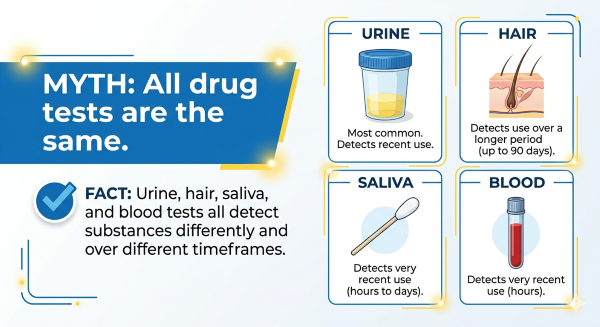
Different drug test methods detect substances in different ways.
Common testing methods include:
- Urine testing
- Saliva testing
- Blood testing
- Hair testing
- Sweat patch testing
Each method has unique detection windows and may be used in different situations.
Urine Drug Testing – Urine testing remains one of the most common screening methods because it is cost effective and widely available.
Saliva Drug Testing – Saliva tests generally detect more recent substance use and are often used for workplace or roadside testing.
Blood Drug Testing – Blood testing can identify substances currently circulating in the bloodstream and is commonly used in medical settings.
Hair Drug Testing – Hair testing can detect patterns of substance use over longer periods compared to many other testing methods.
100% Confidential Support is Available 24/7
No matter what you’re going through, you’re not alone. Our dedicated team is here to provide a safe, judgment-free space where you can talk openly and honestly. Whether you need emotional support, resources, or just someone to listen.
We’re here for you—completely confidential and always respectful of your privacy. Call us today!
Drug Test Detection Windows
Detection times vary depending on several factors, including the substance involved, frequency of use, metabolism, overall health, and the testing method used.
Factors that influence detection include:
- Substance type
- Frequency of use
- Body composition
- Age
- Hydration status
- Liver and kidney function
Because every person is different, detection windows can vary significantly.
The National Institute on Drug Abuse notes that detection periods depend on multiple biological and testing factors, making exact timelines difficult to predict.
Orlando Treatment Solutions
Battling with Drug and Alcohol Addition? Remember, you are not alone and we are here to help you!
Drug Test Myths
Many myths continue to circulate online regarding drug tests.
Common myths include:
Myth: Detox Drinks Guarantee Results
No scientifically proven drink guarantees a desired drug test outcome.
Myth: Excessive Water Solves Everything
Overhydration may create health risks and can sometimes trigger additional testing procedures.
Myth: Home Remedies Always Work
Many home remedies promoted online lack scientific support and may be ineffective.
Myth: Exercise Immediately Before Testing Helps
Physical activity affects the body in many ways but does not provide a guaranteed solution for drug testing outcomes.
Understanding these myths can help individuals avoid misinformation and make healthier decisions.
Feeling stuck in Drug Addiction? Professional help can make a difference.
👉 Contact Orlando Treatment Solutions for compassionate support.
Drug Addiction And Drug Testing
Drug testing often becomes part of recovery programs, healthcare treatment, probation requirements, or workplace policies.
For people living with Drug Addiction, testing may serve several purposes:
- Monitoring recovery progress
- Supporting accountability
- Improving treatment outcomes
- Encouraging long term sobriety
- Identifying relapse risks
While testing can feel stressful, many individuals in recovery view it as one tool that helps support long term success.
Drug Addiction Effects On Health
Substance use disorders affect much more than Drug Test results. Drug Addiction can impact nearly every area of physical and mental health.
Potential consequences include:
- Heart problems
- Liver damage
- Mental health disorders
- Memory difficulties
- Relationship strain
- Financial challenges
- Career disruptions
Addressing addiction early often improves both short-term and long-term outcomes.
The National Institute on Drug Abuse describes addiction as a chronic but treatable medical condition that affects brain function and behavior.
Drug Addiction Warning Signs
Recognizing the signs of Drug Addiction can help individuals and families seek support sooner.
Common warning signs include:
- Strong cravings
- Increased tolerance
- Withdrawal symptoms
- Neglecting responsibilities
- Relationship conflicts
- Secretive behavior
- Continued use despite consequences
Early intervention can make recovery more manageable and reduce long-term health risks.
Drug Addiction Recovery Steps
Recovery is a process that often involves professional support, lifestyle changes, and ongoing commitment.
Step 1: Professional Assessment
A clinical evaluation helps identify treatment needs and recovery goals.
Step 2: Detoxification
Some individuals may benefit from medically supervised detox services.
Step 3: Evidence-Based Therapy
Treatment may include:
- Cognitive Behavioral Therapy
- Dialectical Behavioral Therapy
- Motivational Interviewing
- Group counseling
Step 4: Relapse Prevention
Recovery plans often focus on identifying triggers and developing healthier coping strategies.
Step 5: Long-Term Support
Ongoing support helps individuals maintain progress and strengthen recovery skills.
Drug Test And Family Support
Families often play an important role in recovery. Loved ones can provide encouragement, accountability, and emotional support during difficult times.
Helpful family strategies include:
- Learning about addiction
- Encouraging treatment participation
- Establishing healthy boundaries
- Participating in family therapy
- Supporting recovery goals
Recovery tends to be stronger when individuals have supportive relationships around them.
Drug Addiction Treatment Options
If concerns about a Drug Test are connected to ongoing substance use, professional treatment may be the most important next step. At Orlando Treatment Solutions, individuals and families receive compassionate, evidence-based care designed to address substance use disorders and co-occurring mental health conditions.
Treatment services may include medical detox referrals, outpatient treatment, behavioral therapies, relapse prevention planning, dual diagnosis care, and individualized recovery support. The goal is not simply to stop substance use but to build a healthier, more sustainable future.
Orlando Treatment Solutions emphasizes personalized treatment plans that address each client’s unique challenges and strengths. Their experienced team works closely with individuals and families to support lasting recovery.
To learn more about treatment options, call (321) 415-3213 or visit https://orlandotreatmentsolutions.com/contact/.
References
- https://www.samhsa.gov/
- https://nida.nih.gov/
- https://www.cdc.gov/overdose-prevention/
- https://www.mayoclinic.org/diseases-conditions/drug-addiction/
- https://www.nimh.nih.gov/
- https://www.apa.org/topics/substance-use-abuse-addiction
- https://orlandotreatmentsolutions.com/
- https://orlandotreatmentsolutions.com/contact/
- https://www.fda.gov/
- https://www.ncbi.nlm.nih.gov/
This content is for informational purposes only and does not constitute medical advice or a clinical recommendation. For a personalized assessment, please consult a licensed mental health professional. To learn more about evidence-based mental health and addiction treatment in Florida, visit orlandotreatmentsolutions.com or call (321) 415-3213.
FAQs
Can someone guarantee a Drug Test result?
No. There is no guaranteed method to reliably change, manipulate, or predict the outcome of a Drug Test. Results depend on factors such as the substance used, frequency of use, metabolism, testing method, and laboratory procedures. Claims promising guaranteed outcomes should be viewed with caution.
How accurate are Drug Tests?
When conducted properly, laboratory-based Drug Tests are generally highly accurate and follow strict quality control standards. Confirmatory testing methods help reduce the risk of false results. Accuracy may vary depending on the type of test used, collection procedures, and the substances being screened.
Do different drug tests have different detection periods?
Yes. Detection windows vary significantly depending on the testing method and the substance involved. Urine, blood, saliva, and hair tests each have different detection periods. Factors such as metabolism, frequency of use, and overall health can also influence how long substances remain detectable.
Are detox products scientifically proven?
Many detox products marketed as quick solutions lack strong scientific evidence supporting their effectiveness. While manufacturers often make bold claims, no product can guarantee a specific Drug Test outcome. Individuals should be cautious of misleading advertising and seek reliable medical information when evaluating such products.
Why are Drug Tests used in recovery programs?
Drug testing is often used in recovery programs to support accountability, monitor treatment progress, and identify potential relapse concerns. Testing can provide objective information that helps treatment providers adjust care plans, encourage continued recovery efforts, and promote long-term sobriety and personal responsibility.
Does hydration affect a Drug Test?
Hydration can influence the concentration of substances in a urine sample by affecting fluid balance. However, drinking large amounts of water does not provide a guaranteed way to alter test outcomes. Laboratories often use additional measures to evaluate sample validity and detect abnormal dilution.
Can medications affect Drug Test results?
Yes. Certain prescription medications, over-the-counter products, and supplements may affect Drug Test results in some situations. Individuals should disclose relevant medications when appropriate according to testing guidelines. Confirmatory testing and medical review processes can often help clarify unexpected or questionable findings.
What should someone do if they are worried about substance use?
Seeking a professional evaluation is often the best first step. A qualified healthcare provider or addiction specialist can assess concerns, discuss treatment options, and recommend appropriate support services. Early intervention can improve outcomes and help prevent substance use problems from becoming more severe.
Is Drug Addiction treatable?
Yes. Drug addiction is a treatable medical condition, and many individuals achieve long-term recovery through evidence-based care. Treatment may include therapy, medical support, behavioral interventions, peer support, and relapse prevention planning. Recovery is often an ongoing process that improves with consistent treatment and support.
Can families participate in treatment?
Yes. Family involvement can play an important role in recovery by improving communication, strengthening support systems, and helping loved ones better understand addiction. Family therapy and educational programs may also address relationship challenges, encourage healthy boundaries, and contribute to more positive long-term treatment outcomes.