
Key Takeaways
- Percocet is a combination of oxycodone and acetaminophen.
- Oxycodone is in a class of medications known as opioids, while acetaminophen is not.
- Percocet is also known as a narcotic pain reliever.
- Percocet belongs to the opioids but isn’t an opiate.
- They can be misused and cause opioid use disorder, overdose or withdrawal.
- People who combine alcohol, other sedatives or benzodiazepines with Percocet risk a low breathing rate.
- Do not stop or adjust the dose without consulting your health care provider
Percocet contains oxycodone, which is a prescription opioid pain medication, so yes, Percocet is an opioid drug. Also includes acetaminophen (non-codeine). Percocet can lead to dependence, misuse and addiction as well as potentially life-threatening breathing (respiratory) issues, particularly when taken with alcohol or sedatives.
Percocet 325 is a prescription-only drug for moderate to severe pain. If you’ve ever asked in your head “Is Percocet an opioid?”, you’ve got it right, yes, it is. It contains oxycodone, which works on opioid receptors in the brain and nervous system, and acetaminophen, which increases the effectiveness of oxycodone to relieve pain.
What is Percocet?
Percocet is the brand name for a drug that contains oxycodone and acetaminophen. Oxycodone’s activity with the opioid receptors reduces pain. Acetaminophen acts differently, thus enhancing the total effect of the pain reliever.
Percocet is used to treat moderate to severe pain, which is acute. Just because your doctor prescribes the medication doesn’t mean that it will automatically be safe to take. In some people, oxycodone may have a relaxing effect, causing them to feel calm or feel a sense of well-being, which may increase the risk of misuse, addiction, or dependence.
What is an opioid?
Opioids are drugs that affect the opioid receptors in the body. These receptors are important in helping to regulate functions such as pain, pleasure, breathing etc.
Drugs fall into the category of opioids, encompassing natural, semisynthetic, and synthetic drugs. Both morphine and codeine are chemicals that are found naturally in the poppy plant. Oxycodone is a man-made pain reliever that is similar to oxycodone. Use of the word “opiate” may, in everyday conversation, be used to refer to the same thing as “opioid,” but it is not the same.
Is Percocet an opioid?
Yes, Percocet belongs to the group of drugs known as opioid drugs because it contains oxycodone. The acetaminophen in Percocet is not an opioid, but the oxycodone component can have an effect on the reward system in the brain, in addition to causing breathing to become more sluggish and causing physical dependence.
It is easy to see why this distinction is relevant to the oft-asked question of “Is Percocet an opioid?” This medication is an opioid and has opioid-related effects. This shall only be used as directed and should never be shared with another person.
Is Percocet an opioid or an opiate?
Though it is an opioid, Percocet is not a specific opiate. Opiates: natural compounds from opium, like codeine and morphine. Oxycodone is produced chemically, which means it is considered to be a semisynthetic opioid.
But most often in everyday situations, people will use “opiate” to refer to a drug which is a prescription opioid used for pain. Actually, Percocet itself is an opioid-containing drug called oxycodone.
Is Percocet an opioid or narcotic?
Both opioids and narcotics are pain relievers. Narcotic refers to an obsolete word used to mean “opioid” (traditionally) prescribed painkillers and other illegal narcotics causing similar effects.
Percocet can be a legitimate medication for pain; however, it may also lead to drowsiness, constipation, euphoria, tolerance, dependence, and withdrawals. These are the risks, but no one who has used Percocet for its intended purpose is necessarily addicted.
Important Information about Percocet
Prescribed at an appropriate dosage, for an appropriate length of time and for an appropriate patient, Percocet can be beneficial. Also, use with care since there are two active ingredients.
Oxycodone can be addictive or habit-forming. Acetaminophen can be harmful to the liver if it is taken in large quantities. Occasionally, the total amount of acetaminophen may be taken with other products.
Examples of misusing Percocet are taking more than the dose the doctor prescribed, using someone else’s prescription, taking Percocet to get high, or taking Percocet in another way than prescribed.
Side Effects of Percocet
Percocet side effects can depend on the dose taken, how long the medication is used for, other drugs used, alcohol and health. Talk to the prescriber if the side effects remain or get worse and are hard to deal with.
Common Side Effects
Common symptoms include:
- Dizziness or lightheadedness.
- Fatigue, lethargy, or sleepiness.
- Nausea and vomiting.
- Constipation.
- Itching.
- Stomach discomfort.
- Agitation or mood swings.
Wait until you can determine how Percocet affects you before operating a vehicle, a machine or engaging in risky activities.

Concerned about marijuana use affecting you or someone you love? Call Orlando Treatment Solutions.
Serious Side Effects
Call emergency services if the breathing is slow, shallow, or has stopped; the baby is very sleepy, cannot wake up, is confused, or goes unconscious; or has signs or symptoms of a serious allergic reaction or bluish lips or blue/gray discoloration.
An overdose of acetaminophen can also result in a very damaged liver. Symptoms can be nausea, vomiting, sweating, unusual tiredness, or feeling unwell. In case of overdose, seek medical help or call Poison Control/Life Saving Centers now.
Before Taking
Disclose all medications, food supplements, alcohol consumption, medical history, and history of substance abuse to health care providers. Talk to them about breathing issues, liver disease, head injury, mental health issues, pregnancy, or addiction.
Talk with an addiction professional if you find that you are getting cravings, losing control, taking more of the same medications repeatedly or continuing to take them even when you are being harmed. Someone doesn’t always have to be entitled to help when he or she initially gets Percocet from a legitimate prescription.
Mental Health support is also important. Integrated care might include counseling and/or medication management, combined with opioid care, and therapy (when clinically appropriate) for depression when someone is dealing with depression, anxiety or trauma in addition to opioids.
case of suspected overdose, oversedation, or difficulty breathing.
How Do I Take Percocet
Follow directions for taking Percocet. Don’t take extra doses or take them more often, crush tablets, or mix with someone else’s! Never give out your prescription.
Percocet contains acetaminophen, so do not mistake any other medication purchased without a prescription, such as over-the-counter pain and cold medicine, for Percocet. Have a pharmacist or prescriber tell you how not to take two drugs that contain acetaminophen.
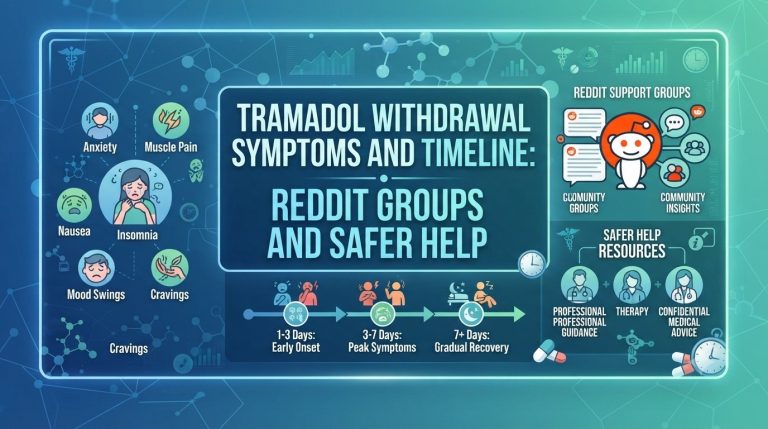
Percocet-accustomed individuals should not stop abruptly without any medical guidance. Symptoms of withdrawal can include anxiety, sleep loss, chills, sweatiness, a runny nose, nausea, diarrhea, and muscle and bone pain as well as a rapid heart rate.
How Do I Dispose of Percocet
Get rid of unused Percocet in your house ASAP. Stick to guidelines from your pharmacy, a local medication take-back program, or the U.S. Food and Drug Administration’s recommendations on the safe disposal of medications.
Never distribute Percocet to friends or loved ones, even if they are saying they are in pain. Keep it away from children, visitors, and those who might misuse it and keep it securely.
What Should I Avoid While Taking Percocet?
Don’t drink or take benzodiazepines, sleeping aids, tranquilizers, muscle relaxants, or other medications that affect the central nervous system without talking to your prescriber first. Mixing these drugs with Percocet can cause breathing to slow down and can lead to death if a person overdoses.
Do not drive until you know how you react to the medicine. Practice never exceeds the dose in pursuit of relaxation and euphoria. Call emergency services immediately if you think someone may have overdosed and give naloxone (if available) if you know how to use it.
What other drugs will affect Percocet?
Here are several other drugs that can interact with Percocet, such as sedatives, benzodiazepines or sleep medications, muscle relaxants, other opioids, and alcohol. Certain other drugs as well can alter the way oxycodone is metabolized in the body.
List all your medications in detail to your prescriber and pharma. Don’t take anything as a given based on a nonprescription product’s safety for use with Percocet.
If you have concerns about Percocet use, craving, and/or withdrawal, seek medical advice. Once again, when you are wondering what you can do, you come to Orlando Treatment Solutions; we can have a private conversation with you! We can meet and talk with you about assessment, medically supervised care, ongoing counseling, and recovery support.
Percocet and Addiction Treatment
Addiction to Percocet is treatable. Treatment can start in medical detox or residential treatment and then proceed to outpatient, intensive outpatient, partial hospitalization, counseling, or aftercare. The extent to which a person consumes, his or her health and safety, home environment, and support system determine the appropriate level.
Treatment might go beyond just the use of drugs. An expert staff member can then take a look at depression, tension, trauma, sleep issues, family stress, and additional considerations. Treating mental health conditions may help some people’s recovery plans be better when treated at the same time.
When you are concerned about someone, you should move towards safety and compassion and avoid blame. Offer screening and assistance; seek help in case of suspected overdose, oversedation, or difficulty breathing.
References
About the Author:
Dr. Zach Miller is the Chief Clinical Officer and Co-Founder of Orlando Treatment Solutions, where he champions holistic, evidence-based approaches to sustainable recovery and mental well-being. Holding credentials as a Ph.D., LMHC, MCAP, and CRRA, he provides expert clinical oversight to ensure all content and resources effectively guide individuals through every stage of their post-treatment journey.
Medical Disclaimer:
This content is for informational purposes only and does not constitute medical advice or a clinical recommendation. For a personalized assessment, please consult a licensed mental health professional. To learn more about evidence-based mental health and addiction treatment in Florida, visit orlandotreatmentsolutions.com or call (321) 415-3213.
Frequently Asked Questions
What is stronger, Percocet or OxyContin?
There is no simple answer because strength depends on the oxycodone dose, formulation, tolerance, and medical condition. Percocet contains oxycodone plus acetaminophen, while OxyContin is an extended-release oxycodone product. Never compare or switch doses without medical supervision.
What drugs are considered opioids?
Opioids include oxycodone, hydrocodone, morphine, codeine, fentanyl, methadone, and buprenorphine. Some are prescribed for pain or opioid use disorder. Heroin is also an opioid, although it is illegal. All opioids can carry risks of dependence, misuse, overdose, and withdrawal.
What drug is comparable to Percocet?
Percocet is commonly compared with other prescription opioid combinations, such as hydrocodone-acetaminophen. However, medications are not interchangeable because their opioid, acetaminophen, dose, and release characteristics differ. A prescriber must determine which treatment is appropriate.
Does Percocet have codeine in it?
No. Percocet contains oxycodone and acetaminophen, not codeine. Codeine is a different opioid medication. Because several prescription pain medicines have similar names or ingredients, check the pharmacy label and ask a pharmacist if you are uncertain.
What are the top 5 strongest painkillers?
There is no safe universal ranking of the “strongest” painkillers. Opioid strength depends on dose, formulation, tolerance, and the person’s health. Fentanyl, oxycodone, morphine, hydromorphone, and methadone are potent opioids, but potency does not mean suitability.
Which is stronger, Vicodin or Percocet?
Vicodin contains hydrocodone and acetaminophen, while Percocet contains oxycodone and acetaminophen. Their effects depend on the dose and individual factors. Neither should be considered automatically safer. Do not substitute one for the other without a prescriber’s guidance.
What is the best painkiller for extreme pain?
The best pain treatment depends on the cause, severity, duration, health history, and response to previous treatments. Opioids may be used in selected cases, but non-opioid treatments can also help. A clinician should create an individualized pain plan.
What is Percocet called now?
Percocet remains a brand name for oxycodone and acetaminophen. Generic versions may be labeled “oxycodone and acetaminophen.” Products can differ in strength and availability, so use the exact medication and dose listed on your prescription.
Is tramadol better than Percocet?
Tramadol is not automatically better than Percocet. Both can cause opioid-related side effects, dependence, misuse, and withdrawal, but they work differently and have different risks. The right choice depends on your condition and must be determined by a qualified clinician.
If Percocet is affecting your health, relationships, work, or peace of mind, help is available. Orlando Treatment Solutions offers compassionate support for opioid misuse and co-occurring mental health concerns. Reach out today to take the next step safely.
Disclaimer
This article is for general education and does not replace medical advice, diagnosis, or treatment. Do not start, stop, increase, decrease, or combine medications without speaking with a qualified healthcare professional. Call emergency services immediately for suspected overdose, stopped or slowed breathing, unconsciousness, or severe allergic reaction.