
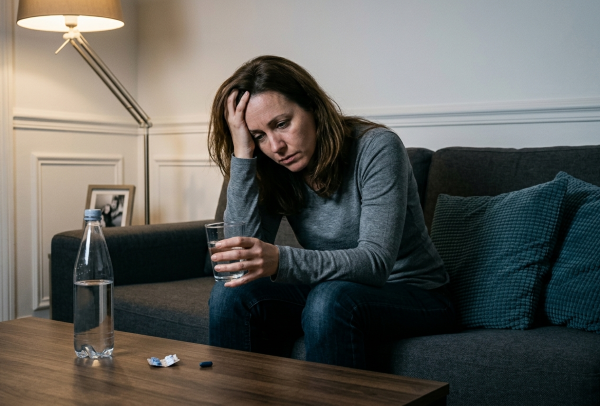
Your night was good, but the next day was bad. Your head is pounding, your mouth is dry and your brain doesn’t seem to work right. You are having an alcohol hangover and you’re not the only one. Almost all drinkers have had this dreadful cocktail at least once.
The good news? Having an understanding of what is occurring in your body during an alcohol hangover can help you feel better as soon as you can, and determine when you need to seek help from an expert. Your body is eliminating toxins, rehydrating, and repairing the damaged tissue. There is no quick solution, but there are effective ways to help relieve your symptoms and promote the healing process.
If you experience hangover symptoms a lot, or it is becoming more difficult to control your drinking it could be a warning sign of something larger. If you, or a loved one, are struggling with drinking alcohol and need help, Orlando Treatment Solutions is available to assist.
Let’s take a step-by-step look at what happens during a hangover, the explanation for the way you feel, and the best ways to recover.
What Alcohol Hangover Symptoms Tell Your Body
A hangover isn’t a disease, but it’s your body’s response to toxic stress. When you drink more than your body can process in an hour, you’re essentially overloading your system. Your liver, kidneys, and stomach all take a hit, and the symptoms that follow are signals that your body is working to repair itself.
“A hangover is the experience of an unpleasant set of symptoms that occur because of excessive alcohol consumption, and the severity of a hangover is dependent on many factors, including how much you drank, for how long, your health, medications, and other individual factors.” Source: American Addiction Centers
The most common alcohol hangover symptoms include
- Headache and sensitivity to light and sound
- Extreme thirst and dry mouth
- Fatigue, weakness, and overwhelming tiredness
- Nausea, vomiting, and stomach pain
- Dizziness or lightheadedness
- Difficulty focusing and memory problems
- Muscle aches and body weakness
- Anxiety, irritability, or mood swings
- Rapid heartbeat and excessive sweating
These symptoms don’t hit all at once. A hangover typically develops six to eight hours after you stop drinking, which is why you usually wake up feeling terrible the morning after. The severity depends on how much alcohol entered your system, whether you ate before drinking, your body size, age, and even your genetics.
How Alcohol Dehydration Triggers Hangover Symptoms
Dehydration is one of the biggest culprits behind hangover misery. When you drink alcohol, your body goes into overdrive in the bathroom department. This happens because alcohol suppresses a hormone called antidiuretic hormone, which normally helps your kidneys hold onto water. Without it, your body treats alcohol like a toxin and tries to flush it out fast.
“For every alcoholic drink you consume, your body loses approximately 120ml of additional fluid.” Source: National Institute on Alcohol Abuse and Alcoholism (NIAAA)
Here’s what happens step by step:
- You drink alcohol
- Alcohol suppresses antidiuretic hormone
- Your kidneys release more water than usual
- You lose both fluids and electrolytes (sodium, potassium, magnesium, calcium)
- Your body becomes dehydrated within hours
- Dehydration triggers headaches, thirst, fatigue, and dizziness
The problem is deeper than just water loss. Your cells need electrolytes to function properly. When you lose both fluid and electrolytes, your body’s chemical balance gets thrown off. Your nerves can’t communicate as well, your muscles weaken, and your brain struggles to focus.
This is why plain water alone isn’t always the best remedy. You need to replace both fluids and the minerals your body lost.
Sleep Disruption and Why Rest Matters
You might have slept eight hours, but your hangover still feels brutal. That’s because alcohol doesn’t give you quality rest, even though it makes you drowsy.
“Even if you slept for hours after drinking, alcohol reduces sleep quality, so rest is an essential part of recovery. Napping, dimming lights, and minimizing stimulation can help your brain rebalance neurotransmitters disrupted by alcohol and improve hangover symptoms.” Source: Inspira Health
Here’s what alcohol does to your sleep:
- Reduces REM sleep: REM (rapid eye movement) sleep is when your brain processes emotions, consolidates memories, and restores mental energy. Alcohol cuts this stage short.
- Causes fragmented rest: You might fall asleep faster, but you wake up multiple times in the second half of the night.
- Disrupts breathing patterns: Alcohol can interfere with breathing during sleep, leaving you less oxygen and more fatigue.
The result is that your brain never gets the restorative sleep it needs. Your nervous system stays stressed, your mood suffers, and your ability to focus drops significantly.
100% Confidential Support is Available 24/7
No matter what you’re going through, you’re not alone. Our dedicated team is here to provide a safe, judgment-free space where you can talk openly and honestly. Whether you need emotional support, resources, or just someone to listen.
We’re here for you—completely confidential and always respectful of your privacy. Call us today!
The Role of Acetaldehyde and Toxic Byproducts
Your liver works hard to process alcohol, but the journey of breaking down alcohol creates toxic byproducts that make you feel worse before you feel better.
When your liver metabolizes alcohol, it produces a chemical called acetaldehyde. Your body then converts this into acetic acid (which is harmless), but during the conversion process, acetaldehyde builds up in your system. This chemical is responsible for some of your worst hangover symptoms.
“The only true cure for a hangover is for your body to finish clearing the toxic byproducts of alcohol metabolism, to rehydrate, to heal irritated tissue, and to restore immune and brain activity to normal.” Source: National Institute on Alcohol Abuse and Alcoholism (NIAAA)
Acetaldehyde contributes to:
- Nausea and vomiting
- Sweating and flushed skin
- Rapid heartbeat
- Anxiety and tremors
Your liver is doing exactly what it should, but you have to be patient. There’s no way to speed up this process. Coffee, cold showers, and eating greasy food won’t help your liver work faster.
What Can Reverse and What Cannot
This is an important distinction. Some damage from a single hangover is temporary and fully reversible. But if hangovers are frequent, some effects can become harder to reverse.
What reverses within 24 hours:
- Dehydration (with proper fluid and electrolyte replacement)
- Sleep deprivation effects (with rest)
- Low blood sugar (with food)
- Brain fog and concentration problems (as your brain chemistry rebalances)
- Most physical symptoms (nausea, headache, body aches)
What takes longer or may need attention:
- Stomach lining irritation (can persist for days if severe)
- Anxiety and mood swings (especially in people prone to depression)
- Liver stress (if you drink heavily or frequently)
- Memory gaps (if alcohol use becomes chronic)
The critical difference is frequency. One hangover is uncomfortable but usually passes. Regular hangovers, especially weekly or more often, suggest you might be drinking more than your body can safely handle. That’s when professional help becomes important.
Recovery Timeline: What to Expect Hour by Hour
Knowing what to expect helps you manage your expectations and know when to seek help.
First 2-4 hours (Early hangover) Your body is still processing alcohol. Symptoms feel harsh because your blood alcohol level is dropping rapidly, and your nervous system is rebounding. You might feel nausea, a headache starting, and extreme thirst.
4-8 hours (Peak hangover) This is usually when you wake up. Peak symptoms hit here. Your dehydration and electrolyte imbalance are at their worst. Your liver is actively processing acetaldehyde. You feel weak, dizzy, and miserable.
8-16 hours (Improving phase) If you’ve been hydrating and eating, you’ll notice gradual improvement. Your headache starts to ease, nausea subsides, and your energy returns slightly. Your body is rebalancing electrolytes and clearing toxic byproducts.
16-24 hours (Near recovery) Most hangover symptoms fade significantly. You might still feel mild fatigue or a light headache, but you’re essentially back to normal. Your liver has processed most of the acetaldehyde, your cells have reabsorbed water, and your sleep debt is partially repaid.
“Symptoms tend to ease up over eight to 24 hours.” Source: Cleveland Clinic
Beyond 24 hours: If symptoms persist beyond 24 hours, you might have:
- Severe dehydration requiring medical attention
- An underlying health issue
- The start of alcohol withdrawal (if you were a heavy drinker)
Step-by-Step Recovery Guide
Immediate Actions (First Few Hours)
Start hydrating immediately: Drink water or electrolyte beverages right away. Don’t wait until you’re more thirsty. Sports drinks like Gatorade or Pedialyte are better than plain water because they contain sodium and potassium your body loses.
Aim for 16-20 ounces of water or electrolyte drink in the first hour, then continue throughout the day.
Eat something bland: Your stomach is irritated, so avoid greasy or spicy foods. Toast, crackers, bananas, or rice are ideal. These provide carbohydrates to stabilize your blood sugar, which dropped while your body processed alcohol.
Avoid caffeine initially: Coffee might seem like a good idea, but it’s a diuretic, meaning it causes more fluid loss. Wait at least 2-3 hours before having any coffee.
During the Day (4-12 Hours After Waking)
Continue electrolyte replacement: Keep drinking water and electrolyte beverages. Your body will tell you how much you need. A good guide is drinking until your urine becomes clear or pale.
Eat nutrient-dense foods: Move beyond crackers to foods with protein and vitamins:
- Eggs (rich in protein and cysteine, which helps break down acetaldehyde)
- Bananas or oranges (potassium and vitamin C)
- Toast with honey (carbohydrates and quick energy)
- Broth or soup (salt and hydration)
- Chicken or fish (lean protein)
Take a light pain reliever if needed: Ibuprofen or aspirin can help with headaches and body aches, but use sparingly:
- Limit to one dose of 200- 400 mg ibuprofen
- Take with food to protect your stomach
- Avoid acetaminophen (Tylenol), which can damage your liver when combined with alcohol
Rest as much as possible: Don’t push yourself. Rest is when your body repairs tissue and clears toxins. Dim lights, keep noise low, and avoid screens if they make your headache worse.
Evening and Beyond (12+ Hours After Waking)
Maintain hydration: Keep drinking water and electrolyte beverages. By this point, symptoms should be noticeably better.
Try light exercise gently: A slow walk might help circulation and mood, but avoid intense workouts. Your body is still recovering.
Get quality sleep: Your body repairs itself during sleep. Aim for at least seven to eight hours. Alcohol might still be affecting your sleep quality, so getting extra rest helps.
Avoid alcohol: Don’t try the “hair of the dog” myth. Having another drink will only restart the process and delay your recovery by triggering another hangover cycle.
Remedies That Don’t Work (And Why)
There’s no shortage of hangover “cures” floating around. Most lack scientific evidence. Some are actually dangerous.
Coffee: Won’t cure your hangover. Caffeine is a diuretic, meaning it causes more fluid loss. It might make you feel temporarily alert, but you’re actually becoming more dehydrated.
Cold shower: Doesn’t speed recovery. The shock might wake you up, but it doesn’t help your liver process alcohol faster or replace lost electrolytes.
More alcohol (“hair of the dog”): This only delays recovery and risks developing alcohol dependence. Your nervous system readjusts when alcohol wears off, creating withdrawal symptoms that feel similar to a hangover. Adding more alcohol stops the adjustment but starts a new hangover cycle.
High-dose vitamins: Most research doesn’t support high-dose B vitamins or other supplements as hangover cures. Your body processes and excretes excess vitamins, making them expensive urine.
Charcoal, DHM, or other supplements: Limited or no evidence supports these products. Stick with proven methods like hydration and electrolytes.
Greasy food: Might settle your stomach temporarily, but it won’t cure your hangover. Your stomach is irritated and already working hard to digest.
The real remedy? Time, water, food, electrolytes, and rest.
When an Alcohol Hangover Becomes a Serious Concern
A single hangover is uncomfortable but not dangerous. Regular hangovers are a different story. If you’re experiencing hangover symptoms more than once a week, or if you can’t control your drinking despite wanting to, you might be facing alcohol use disorder.
Signs that drinking has become a problem:
- Frequent hangovers despite telling yourself you’ll drink less
- Memory gaps or blackouts while drinking
- Drinking alone or hiding how much you drink
- Hangovers affecting your work, relationships, or responsibilities
- Feeling anxiety or depression on days you don’t drink
- Needing a drink to relax or face social situations
- Failed attempts to cut back on drinking
These are signals that your body and mind have become dependent on alcohol. A hangover is your body saying it’s overwhelmed. If it happens repeatedly, your body is telling you that something needs to change.
Struggling to regain balance? Contact Orlando Treatment Solutions for confidential help.
Finding Professional Help for Alcohol Concerns
If regular hangovers or problematic drinking is affecting your life, Orlando Treatment Solutions offers comprehensive, evidence-based care tailored to your needs. Our team understands that each person’s relationship with alcohol is unique, and recovery requires personalized treatment.
We offer several programs designed to help:
- Intensive Outpatient Program (IOP): For individuals who need structured treatment while maintaining daily responsibilities. You attend therapy and group sessions several hours a day.
- Partial Hospitalization Program (PHP): More intensive than IOP, with full-day programming and medical supervision. Ideal if you need more support than outpatient care.
- Cognitive Behavioral Therapy (CBT): Evidence-based therapy that helps you understand triggers and develop healthier coping strategies.
- Dual Diagnosis Program: If you’re struggling with both alcohol use and mental health issues like anxiety or depression.
- Family Therapy: Healing relationships damaged by alcohol use and involving loved ones in recovery.
Located in DeLand, Florida, Orlando Treatment Solutions provides compassionate, judgment-free care with licensed professionals who have decades of combined experience. We accept most major insurance plans and operate with complete confidentiality.
You don’t have to face this alone. Reach out today.
Call: (321) 415-3213 Or visit our contact page to schedule a confidential conversation.
Disclaimer
This content is for informational purposes and should not replace professional medical advice. If you’re experiencing severe hangover symptoms, signs of alcohol poisoning, or believe you have alcohol use disorder, contact a healthcare provider or call a treatment center. Orlando Treatment Solutions is here to help with evidence-based addiction and mental health treatment.
FAQs
How long does an alcohol hangover last?
Most hangovers resolve within 24 hours. Some people feel better within 12 hours, while others take the full 24 hours or slightly longer. If symptoms persist beyond 24 hours, especially severe headache or vomiting, seek medical attention.
Can you prevent a hangover completely?
The only way to prevent a hangover is not to drink. If you choose to drink, you can reduce hangover severity by drinking slowly, eating food beforehand, alternating alcoholic drinks with water, and staying within moderation limits (one drink per day for women, two for men).
Is dehydration the only cause of a hangover?
No. While dehydration is a major factor, hangovers result from multiple causes: sleep disruption, low blood sugar, acetaldehyde buildup, inflammation, and alcohol withdrawal effects on your nervous system. That’s why just drinking water isn’t always enough.
Why do dark liquors cause worse hangovers?
Dark spirits like bourbon, whiskey, and red wine contain higher levels of congeners, which are compounds produced during fermentation. Congeners don’t directly cause hangovers, but they make symptoms more severe. Clear liquors like vodka and gin have fewer congeners.
Is it safe to take pain medication for a hangover?
Ibuprofen and aspirin can help with headaches and body aches, but use them sparingly. Never take acetaminophen (Tylenol) with or shortly after drinking because alcohol and acetaminophen together can damage your liver.
What are electrolytes and why do I need them?
Electrolytes are minerals like sodium, potassium, magnesium, and calcium that carry electrical charges. Your nerves, muscles, and heart depend on them to function. Alcohol causes you to lose electrolytes through increased urination, so replacing them helps your body rebalance faster.
Can you get alcohol poisoning from a hangover?
A hangover and alcohol poisoning are different. A hangover is your body’s response to excess alcohol after the alcohol has mostly left your system. Alcohol poisoning is a medical emergency that happens while you’re still acutely intoxicated. Signs include confusion, seizures, loss of consciousness, or irregular breathing. Call 911 immediately if you suspect alcohol poisoning.
Does food help a hangover?
Yes, but the type matters. Bland carbohydrates like toast and crackers stabilize blood sugar. Protein-rich foods help your body repair itself. Fruits and vegetables provide vitamins. Greasy, spicy foods can irritate your already-sensitive stomach.
What’s the difference between a hangover and alcohol withdrawal?
A hangover happens after one drinking session as your body clears alcohol and recovers. Withdrawal happens when someone who drinks regularly or heavily suddenly stops. Withdrawal symptoms are typically more severe, last longer (several days), and can include seizures or hallucinations. Withdrawal is medically serious and requires professional help.
Why do I feel anxious or depressed the day after drinking?
Alcohol affects neurotransmitters that regulate mood. While you’re drinking, alcohol increases calming chemicals. When it wears off, your brain overcompensates, creating anxiety, depression, and irritability. This usually passes within 24-48 hours but can be more severe in people with existing mental health conditions.
If I get regular hangovers, what does that mean?
Regular hangovers suggest you’re drinking more than your body can safely handle. They can indicate early alcohol use disorder, where your relationship with drinking has become problematic. Frequent hangovers affecting your life, work, or relationships are a sign to seek professional help.
What should I do if my hangover symptoms don’t improve after 24 hours?
Persistent symptoms beyond 24 hours warrant medical attention. You might have severe dehydration, an underlying health condition, or be entering alcohol withdrawal if you regularly drink heavily. Contact a healthcare provider or go to an urgent care clinic.